Climbing
The Verdon gorges and their climbers, in the heart of the 1980s, the golden age of free climbing. A period that marks a turning point: the level rises rapidly, the ways of climbing evolve, favoring movement, finesse, balance and precision. Training becomes modern and new approaches to the body, concentration and mental preparation appear. The limits previously considered impassable are pushed back, opening the way to a new generation of climbers. From anonymous roped parties to the two great figures of the era, Patrick Edlinger and Patrick Berhault, these images bear witness to this revolution in climbing, between portraits, technical moves and the vertigo of big walls.
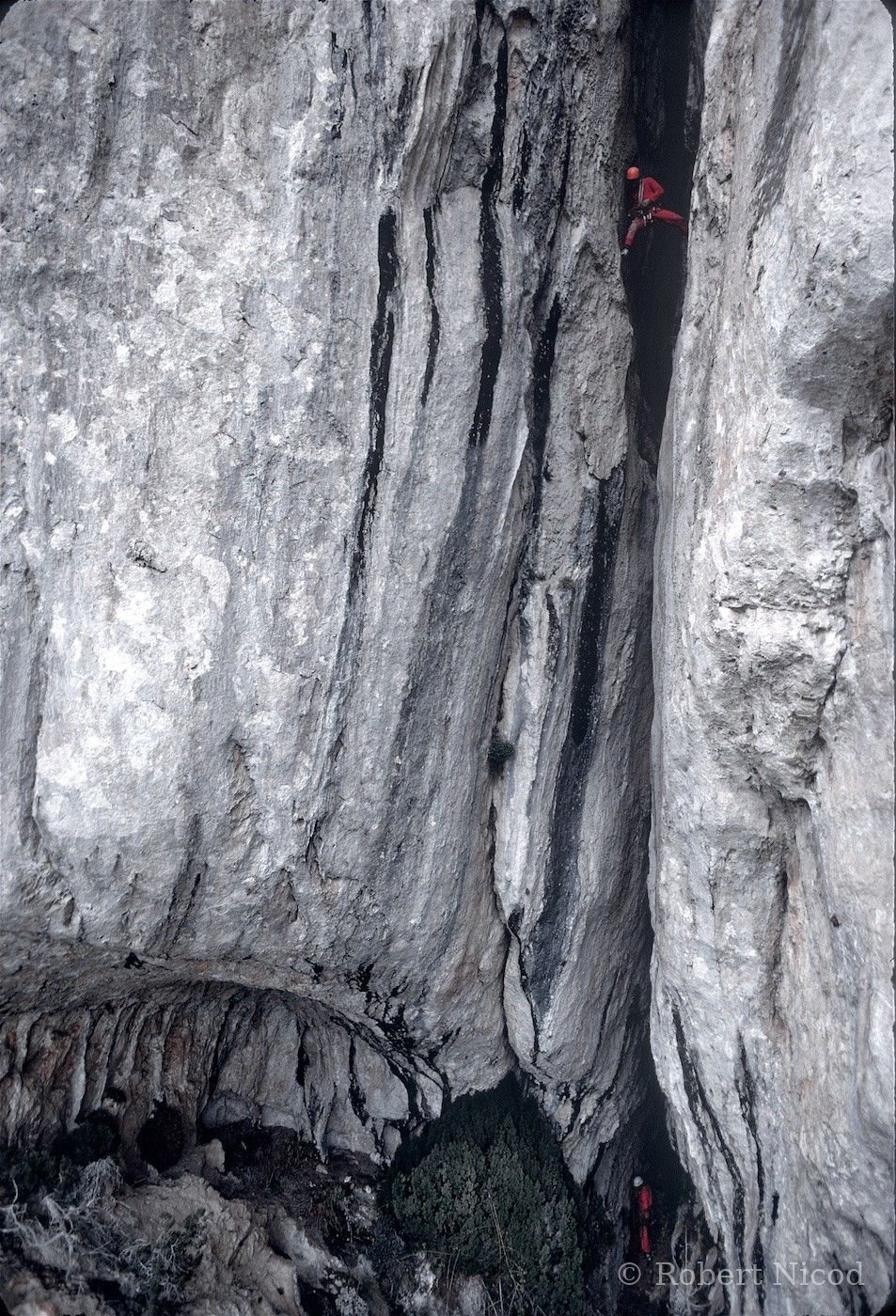
Verdon 1976
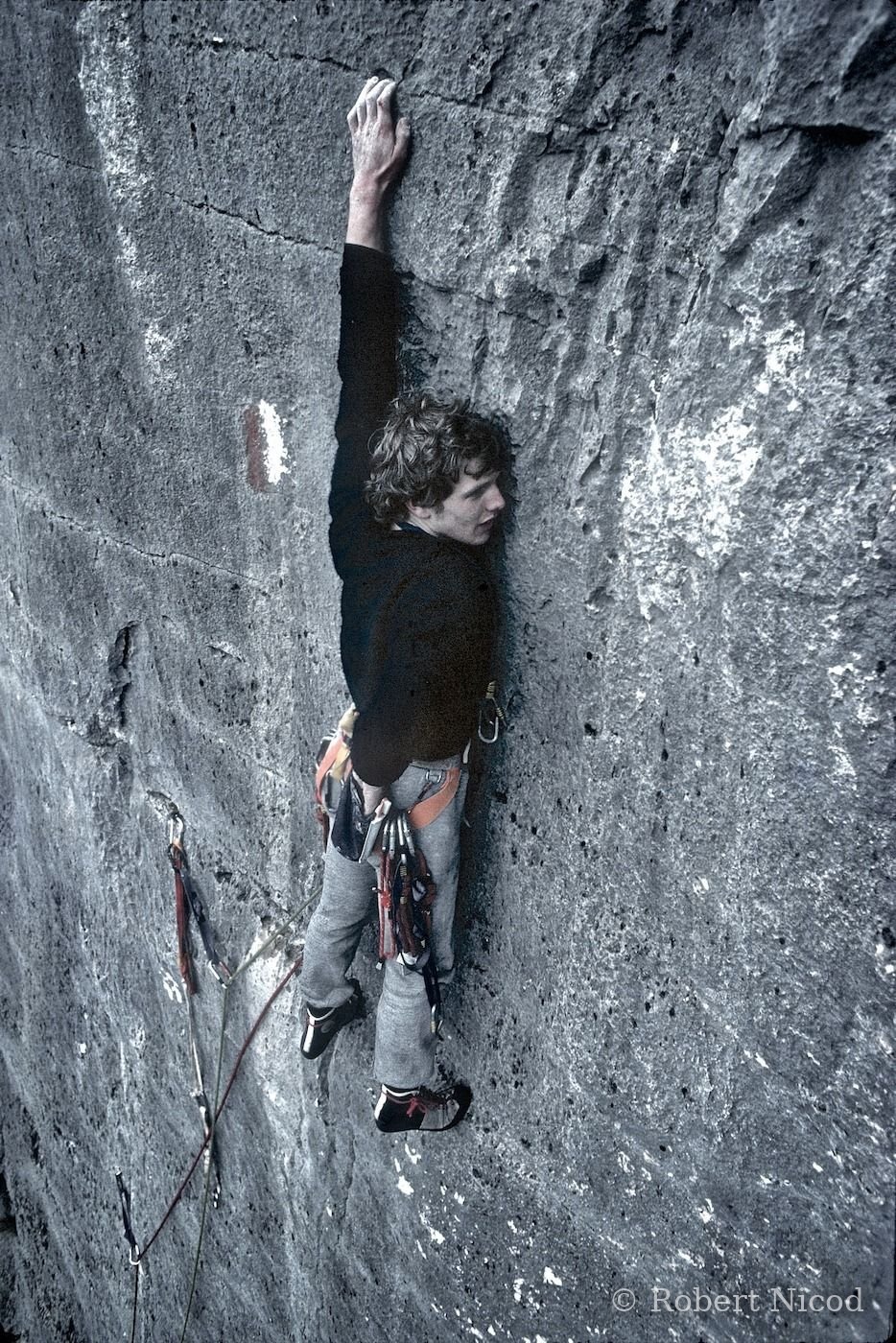
Verdon 1979
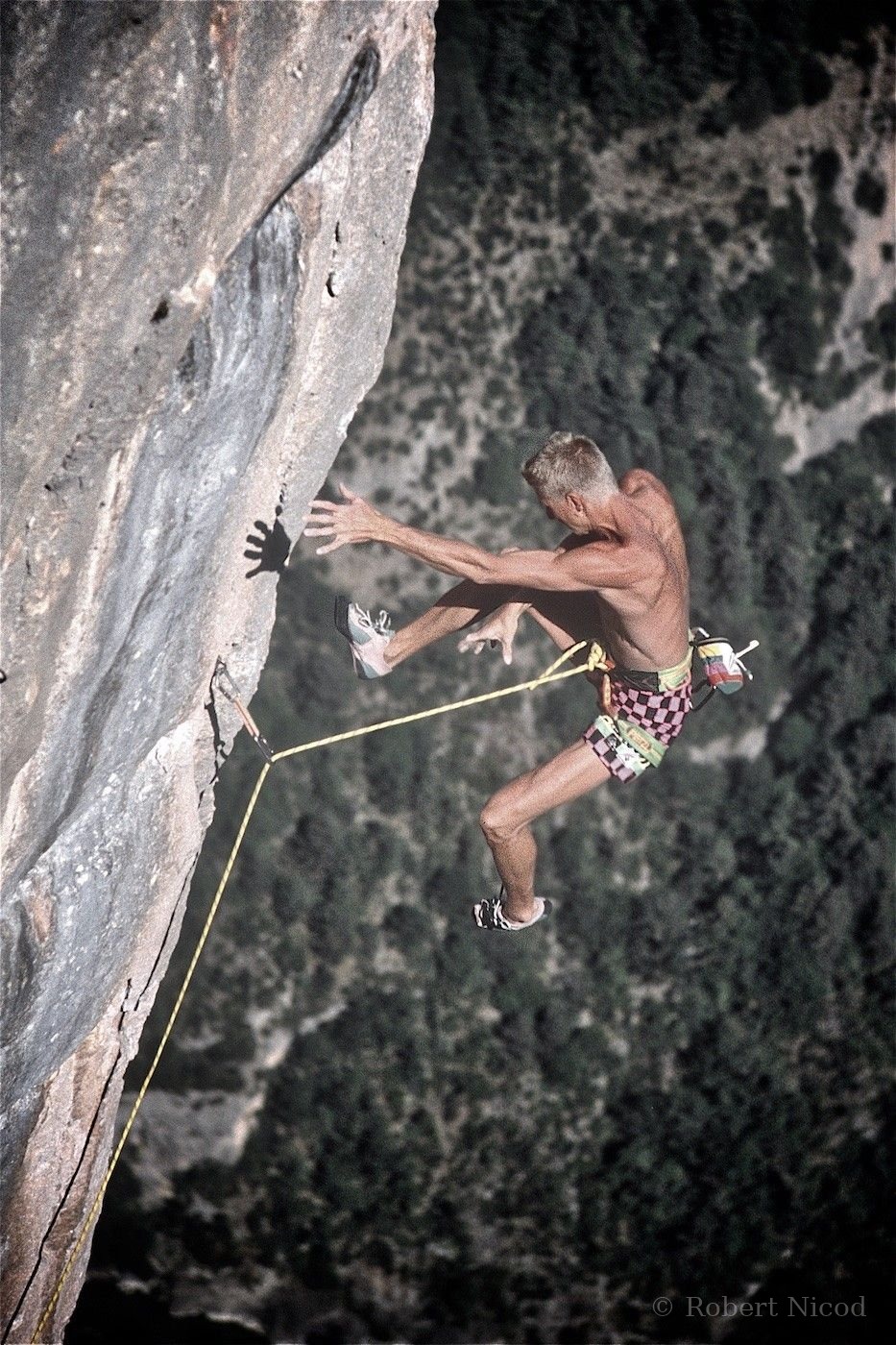
Verdon 1988
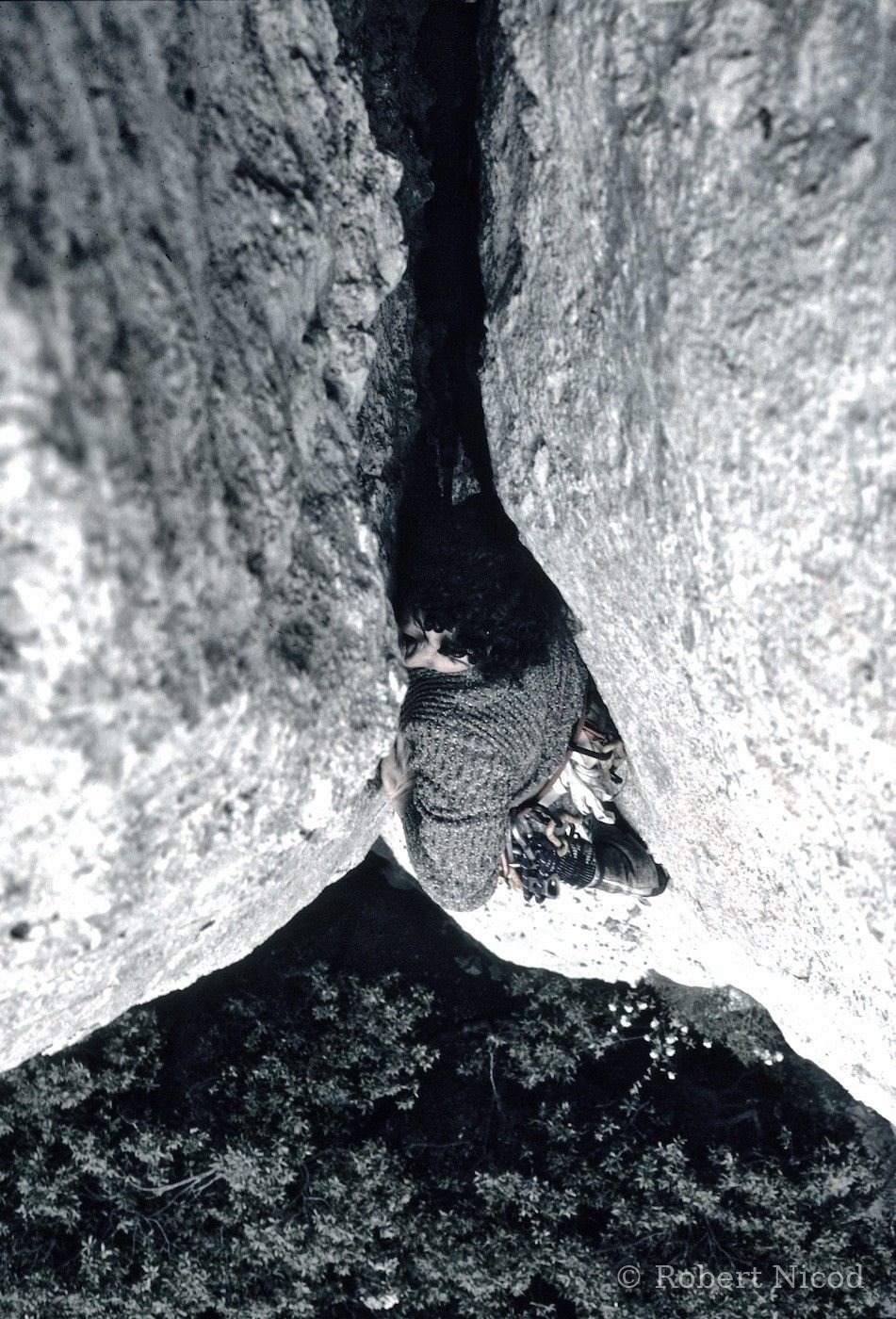
by Christian Crespo on “Les Barjots”
Verdon 1983
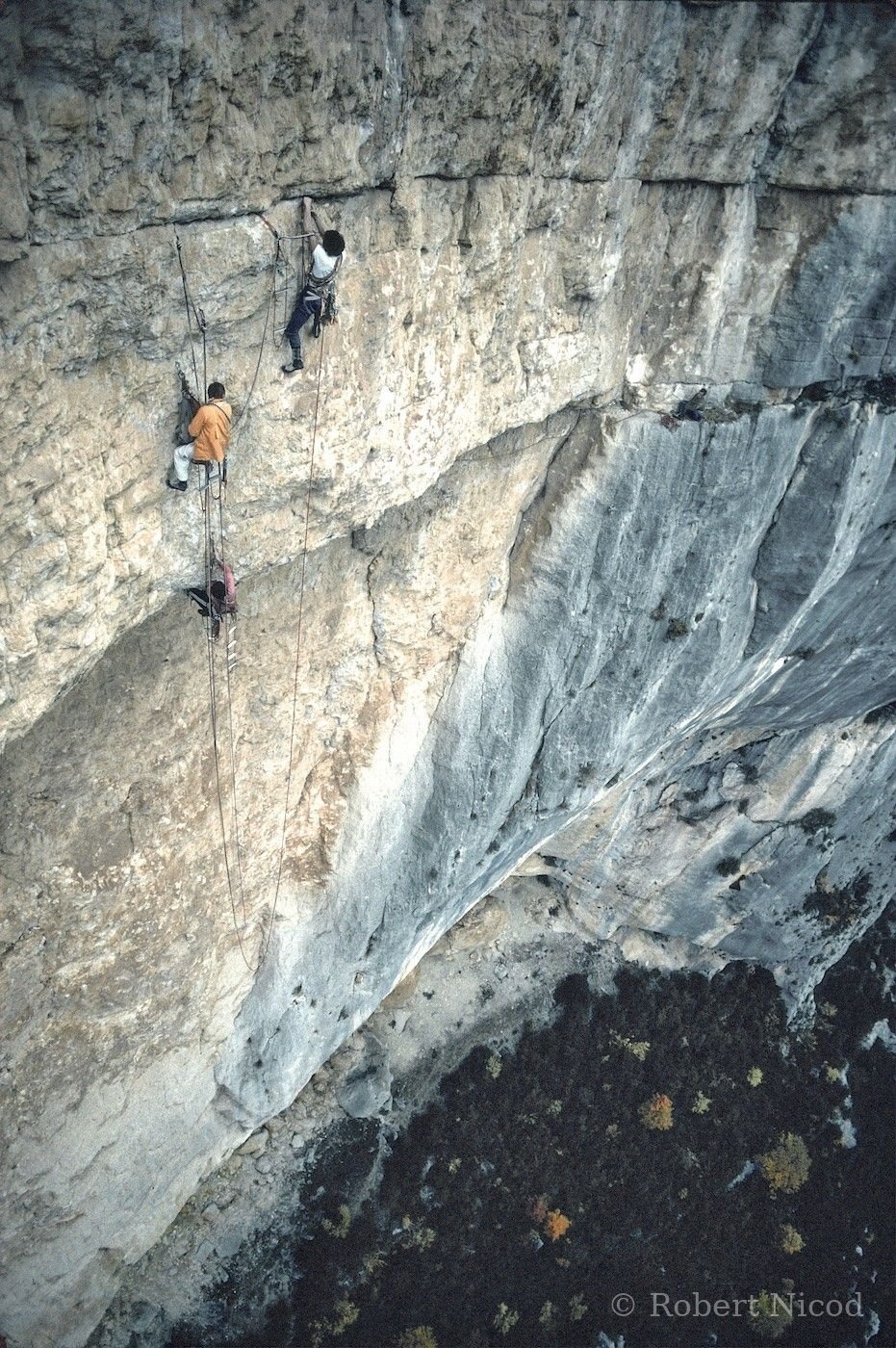
Verdon 1983
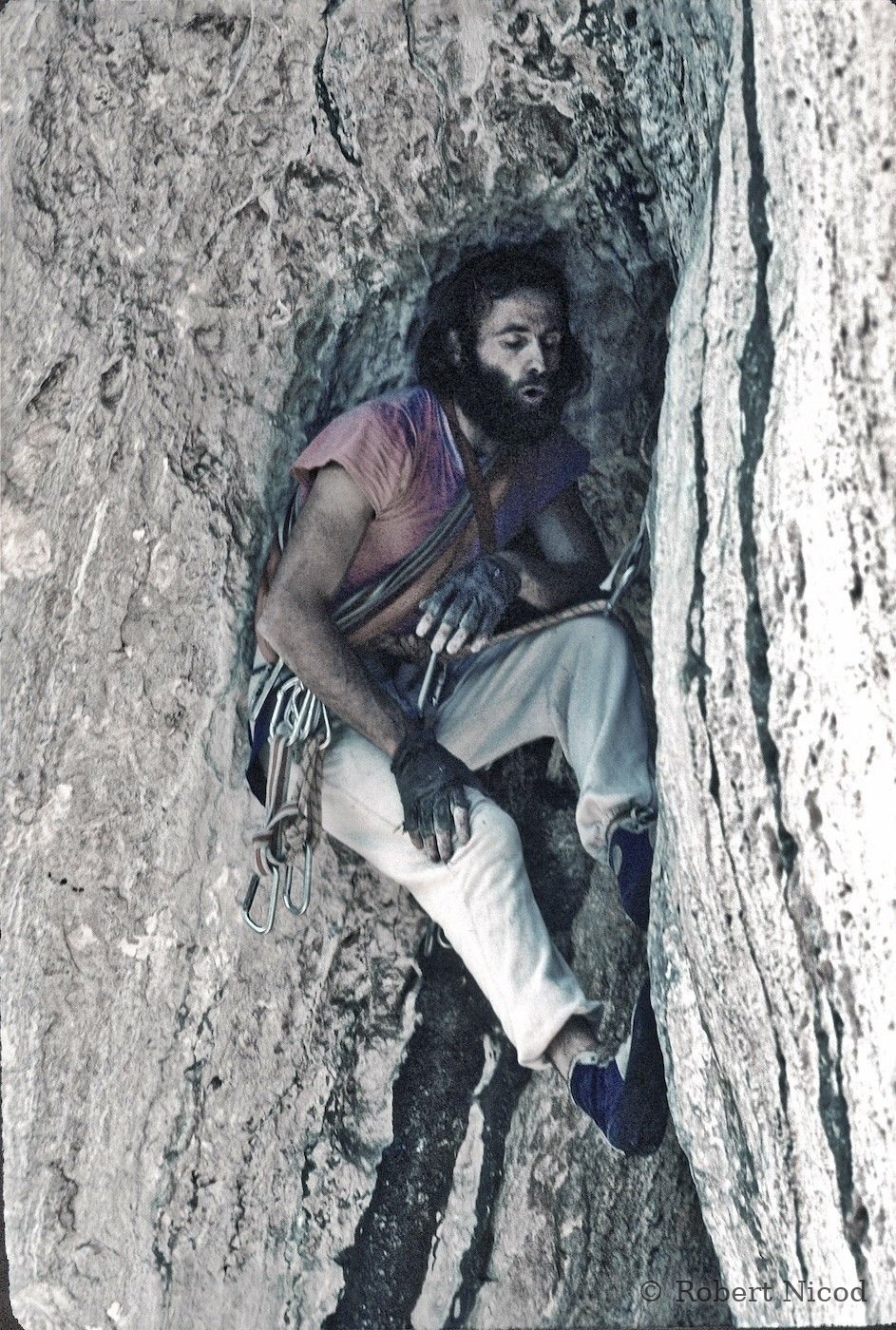
before the crux of “Troglobule”
Verdon 1983
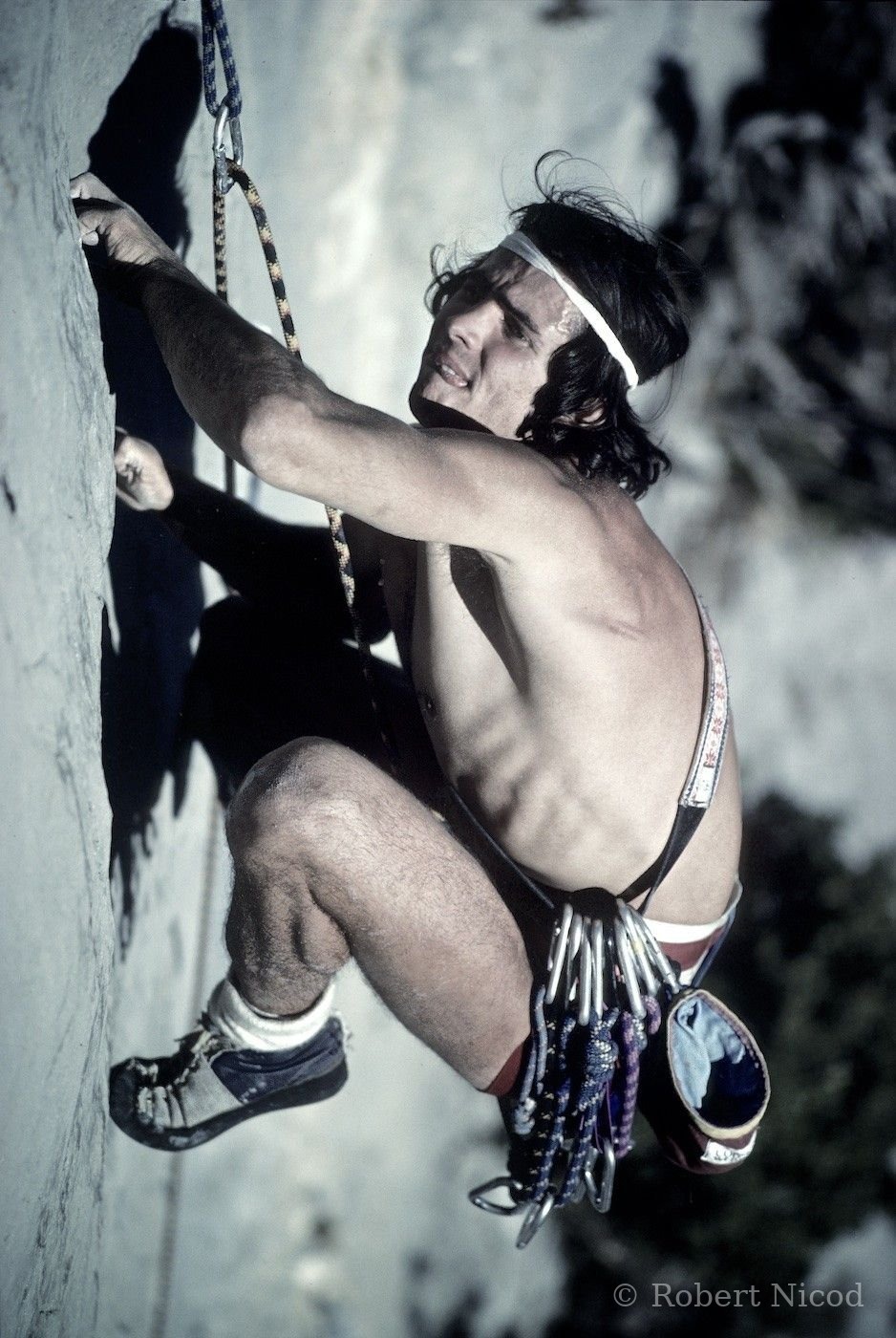
“Surveiller et punir”
Verdon 1982
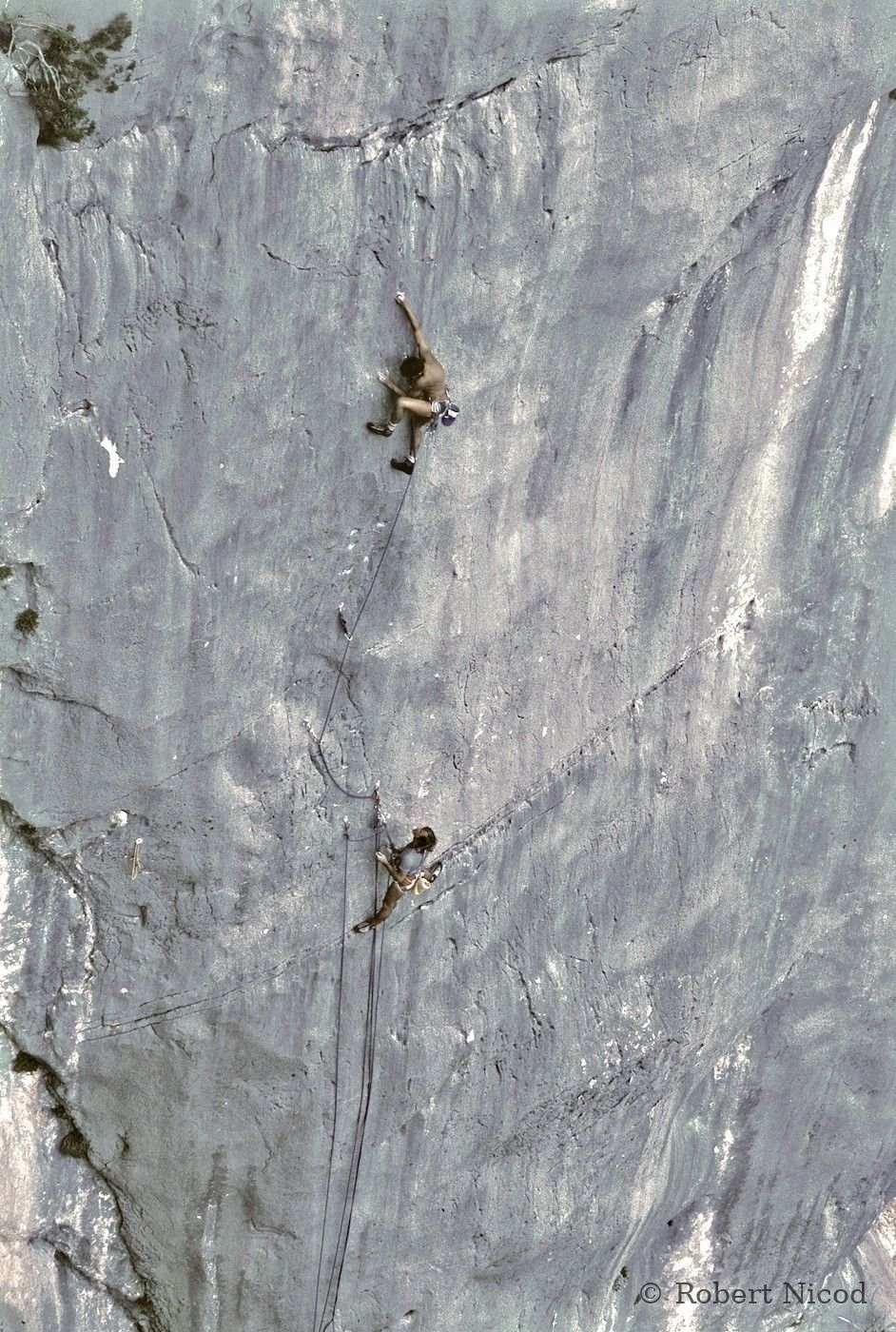
“Surveiller et punir”
Verdon 1983
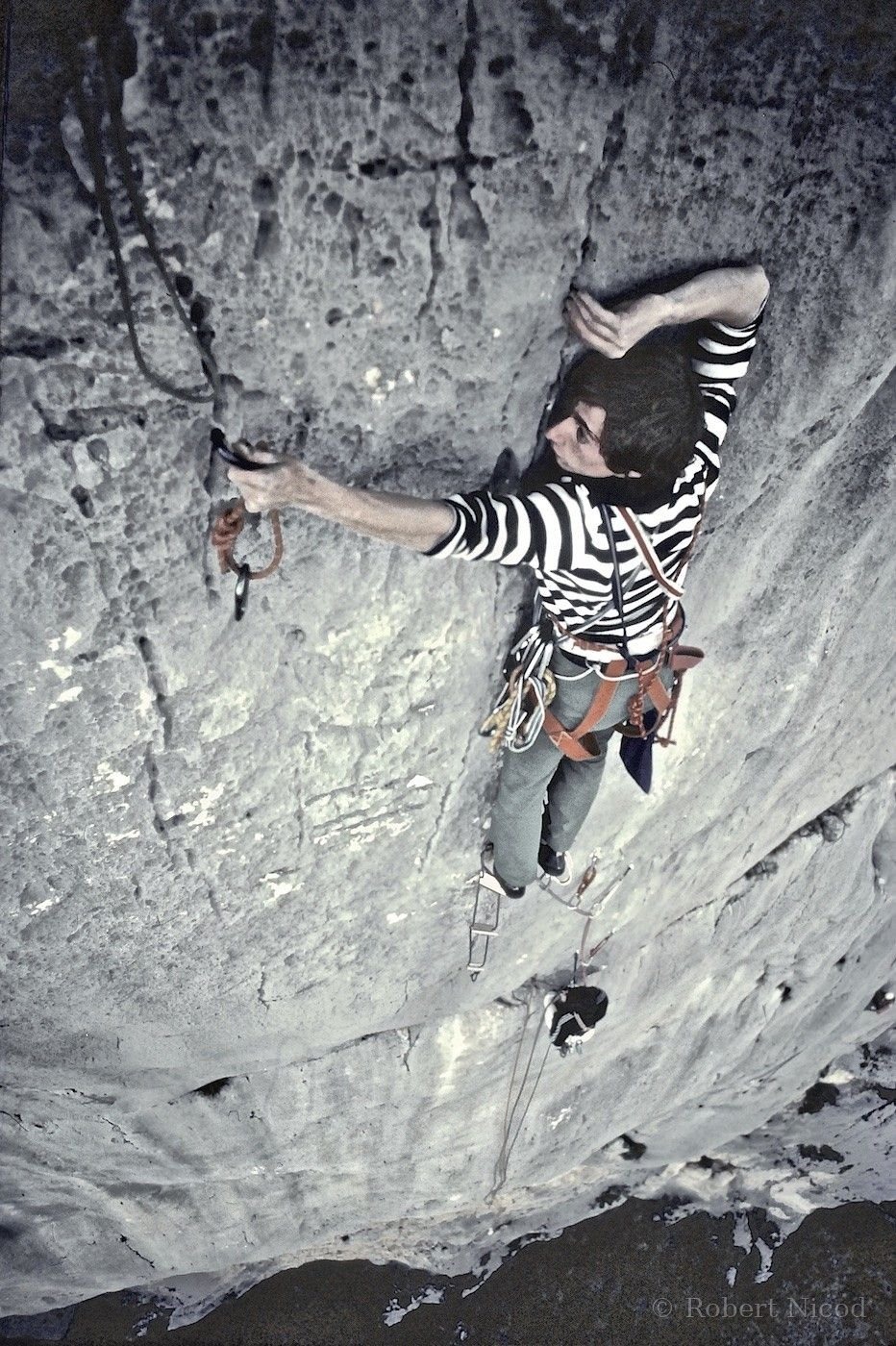
before it was climbed free
Verdon 1980
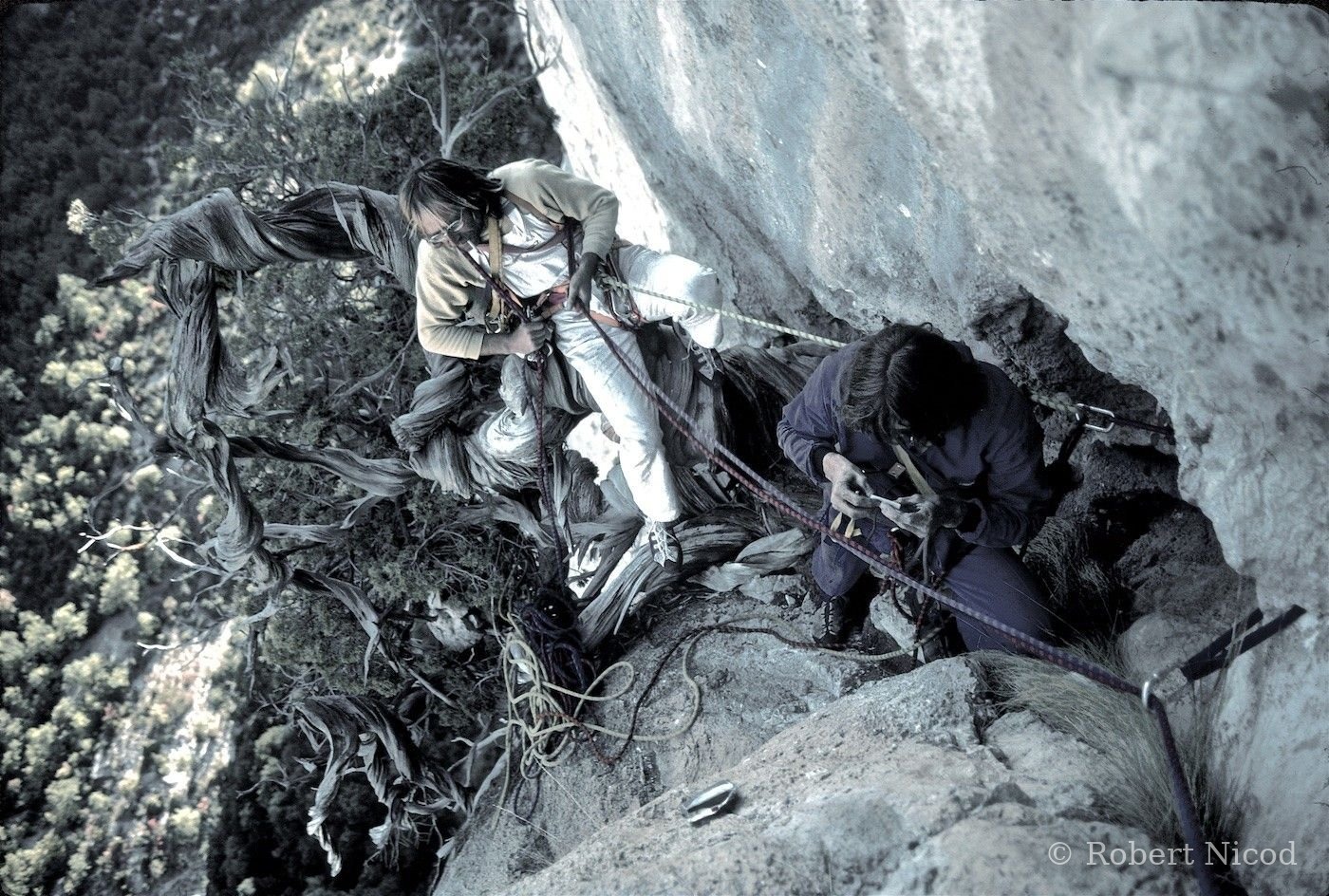
Verdon 1983
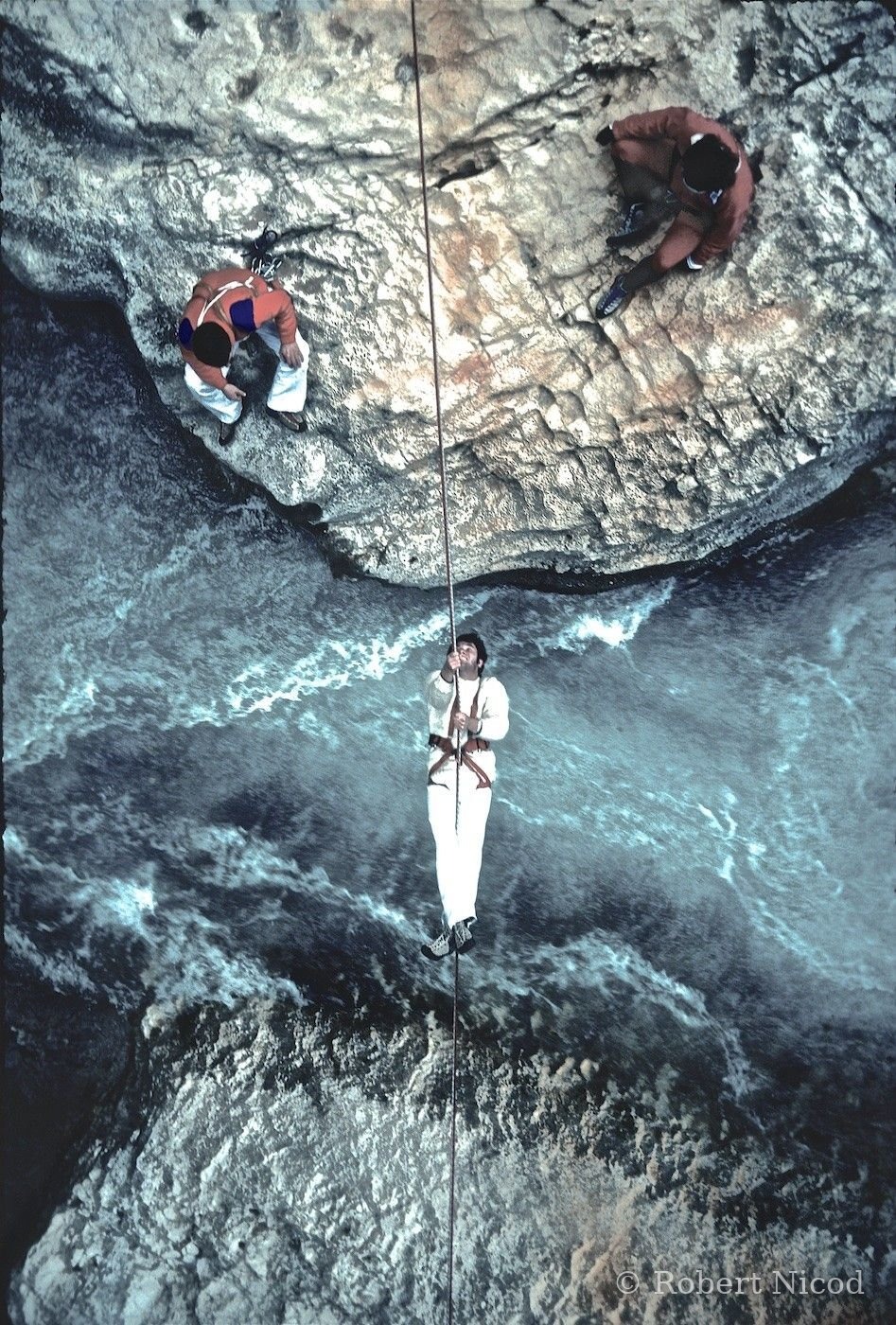
Verdon 1979
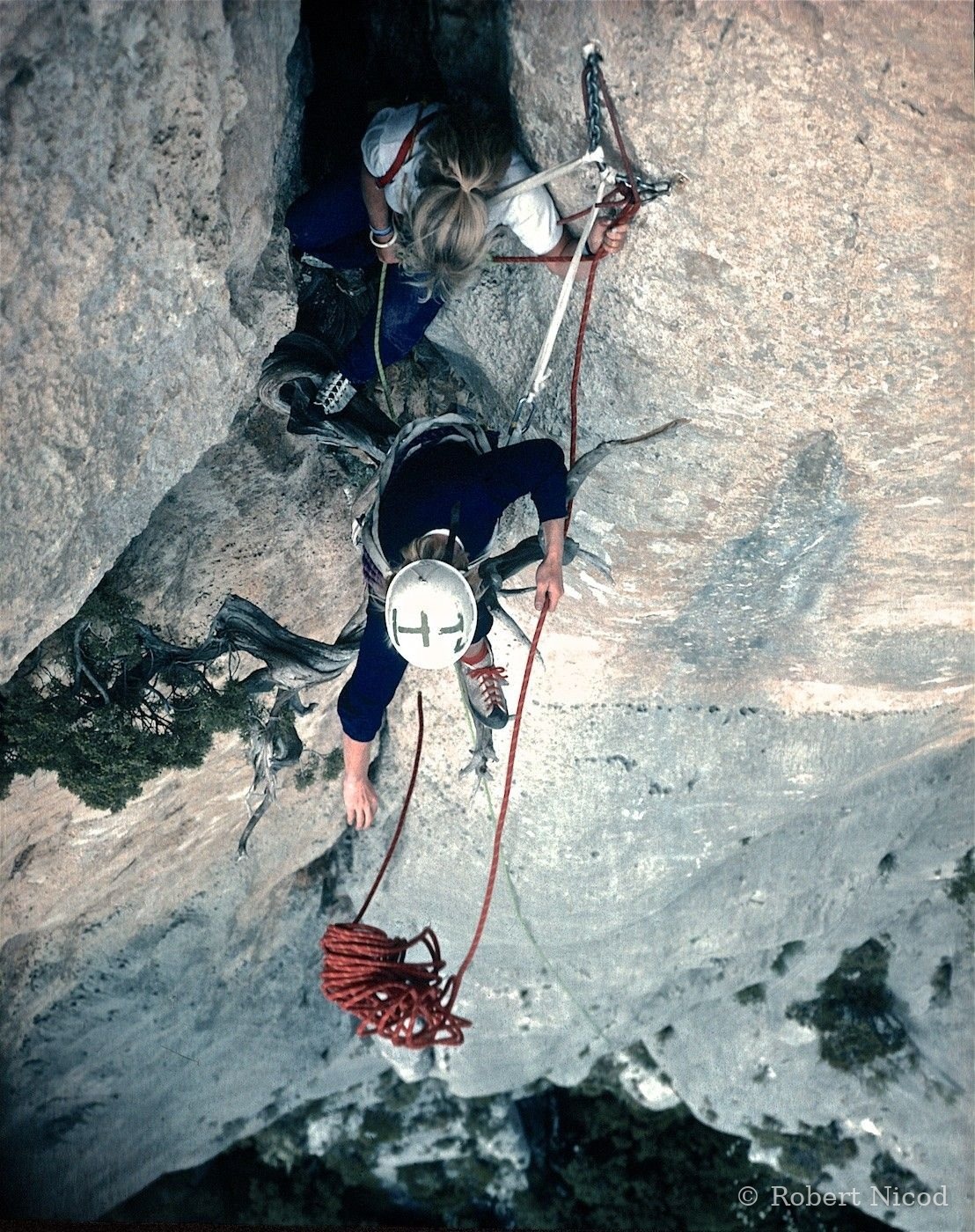
Verdon 1981
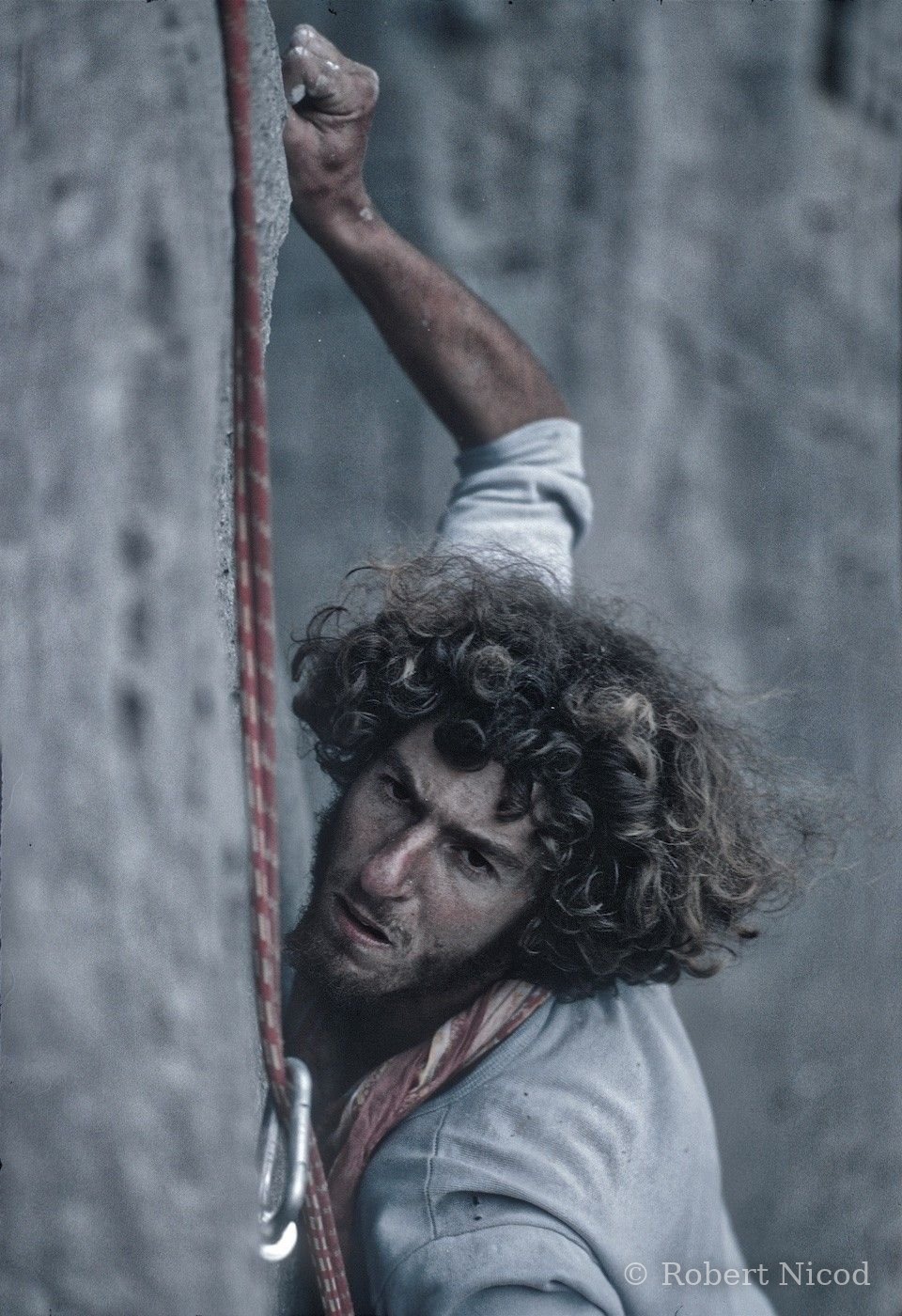
Verdon 1982
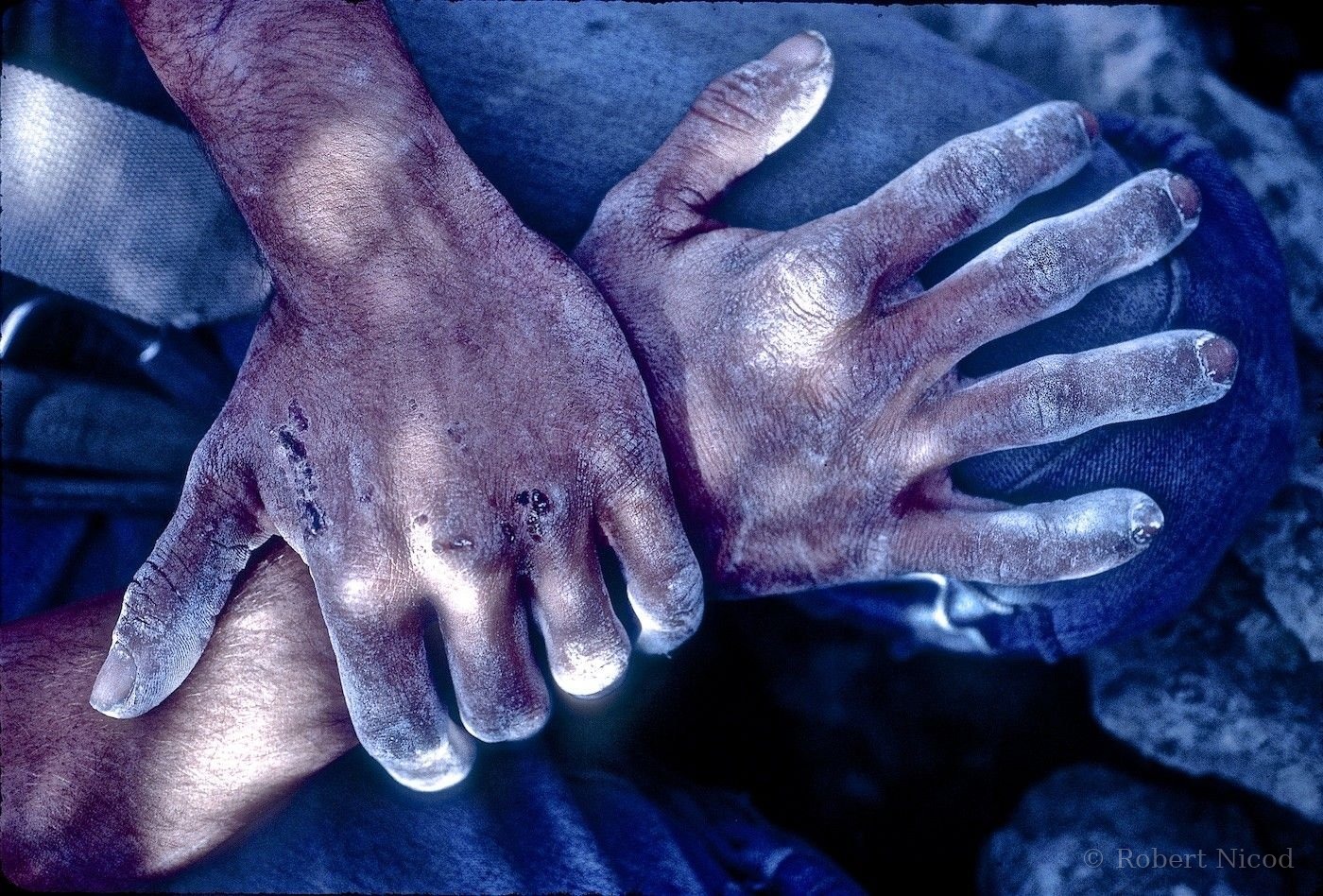
after 300 m of crack jamming
1977
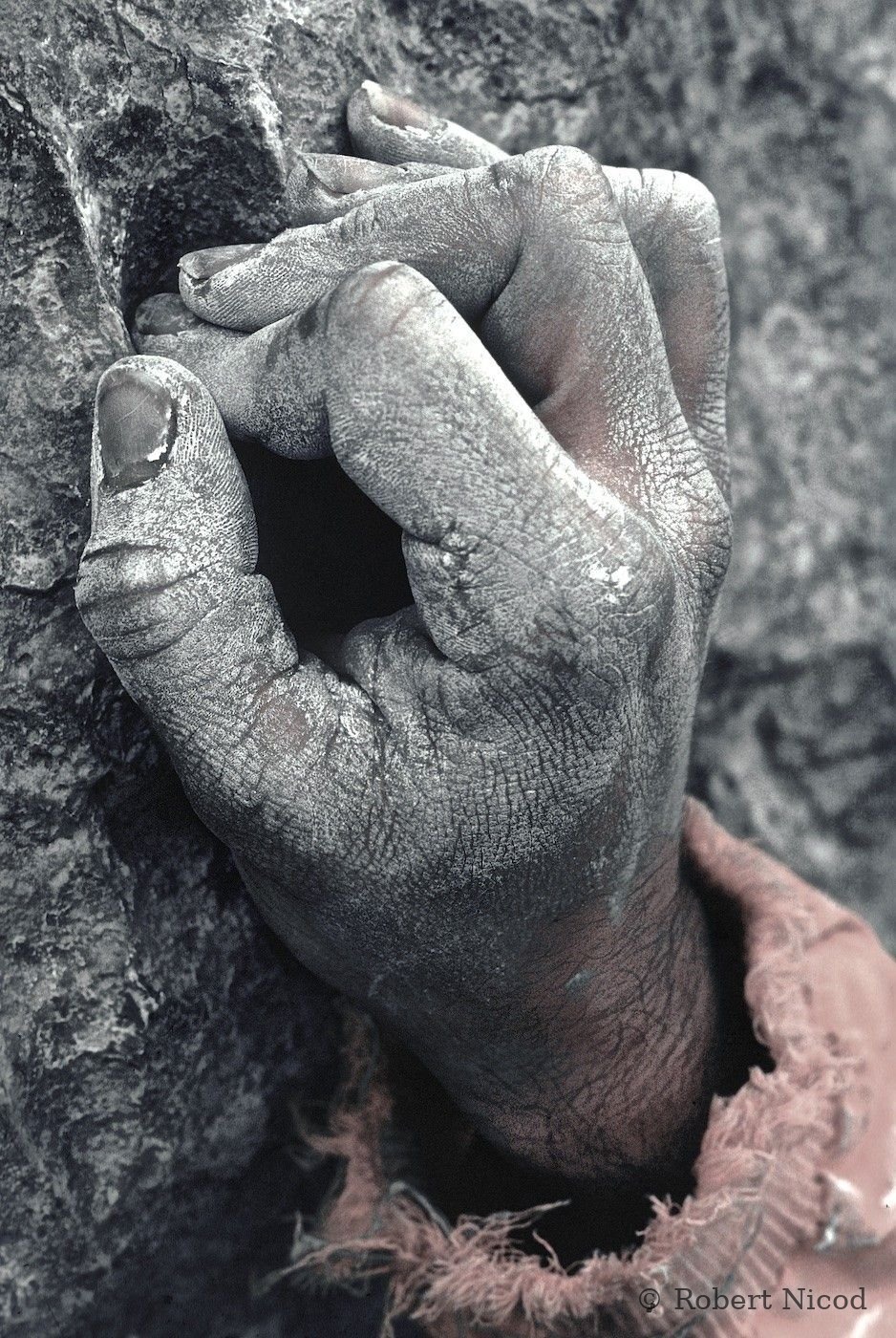
Verdon 1980
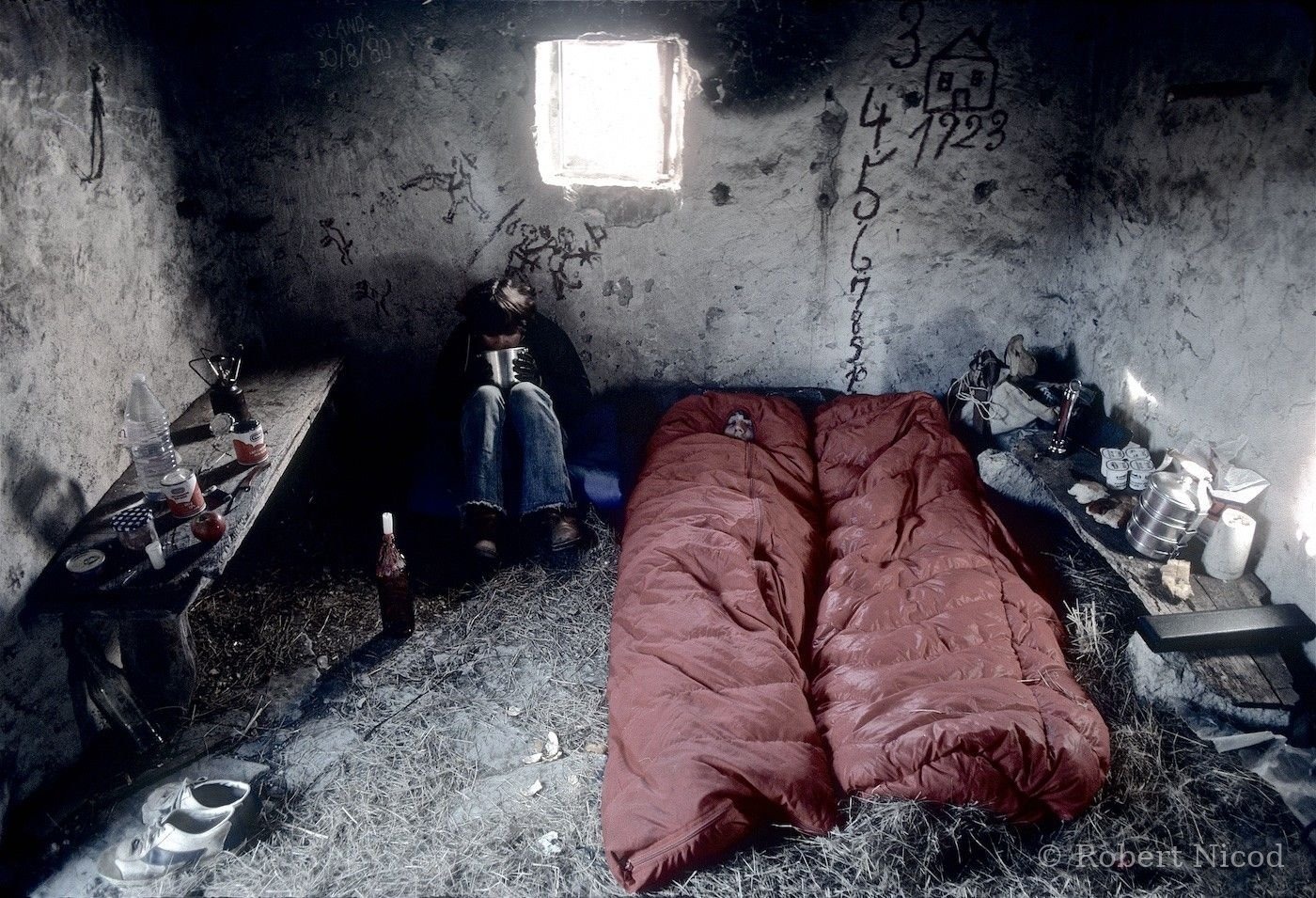
climbers in the 1980s
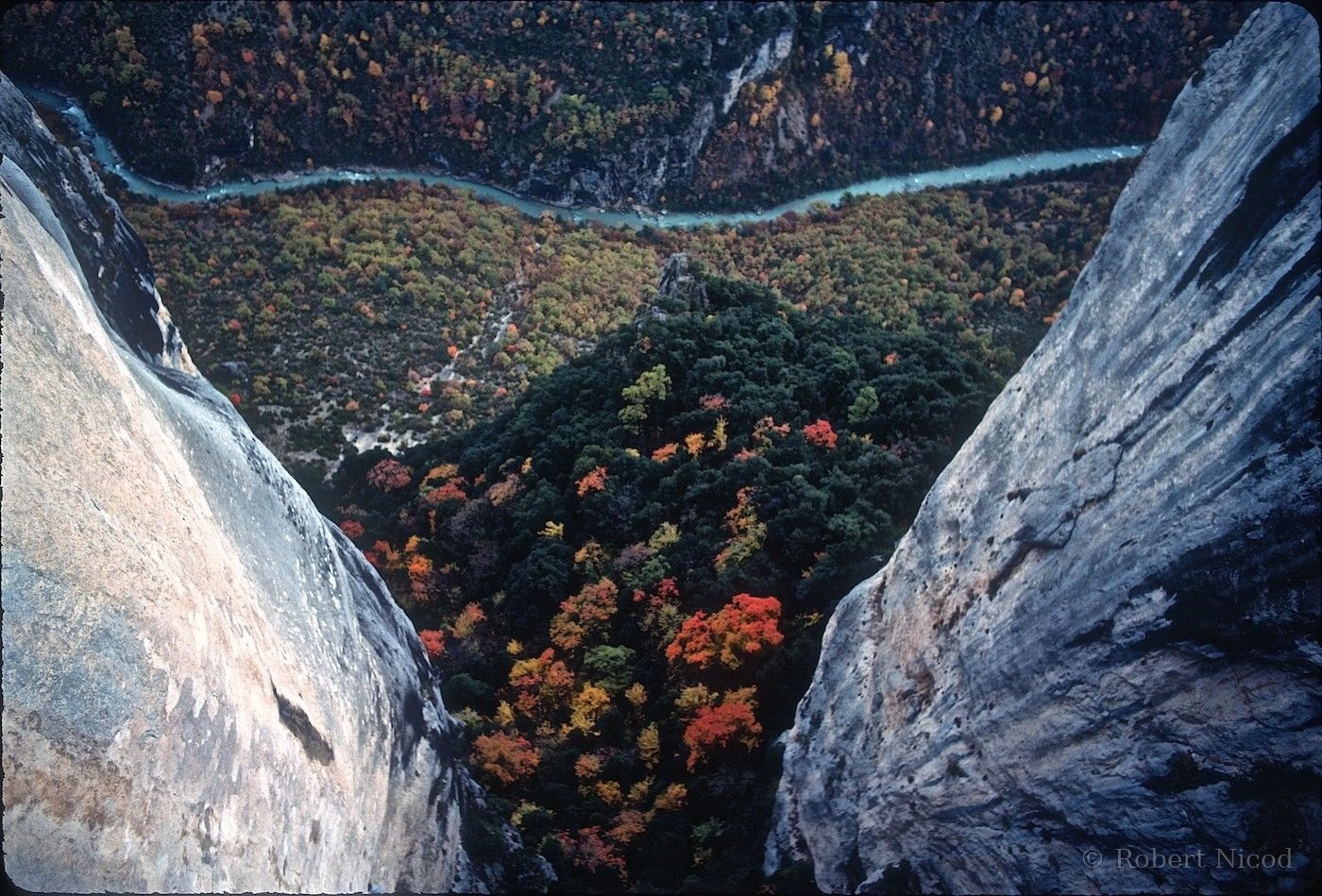
1985
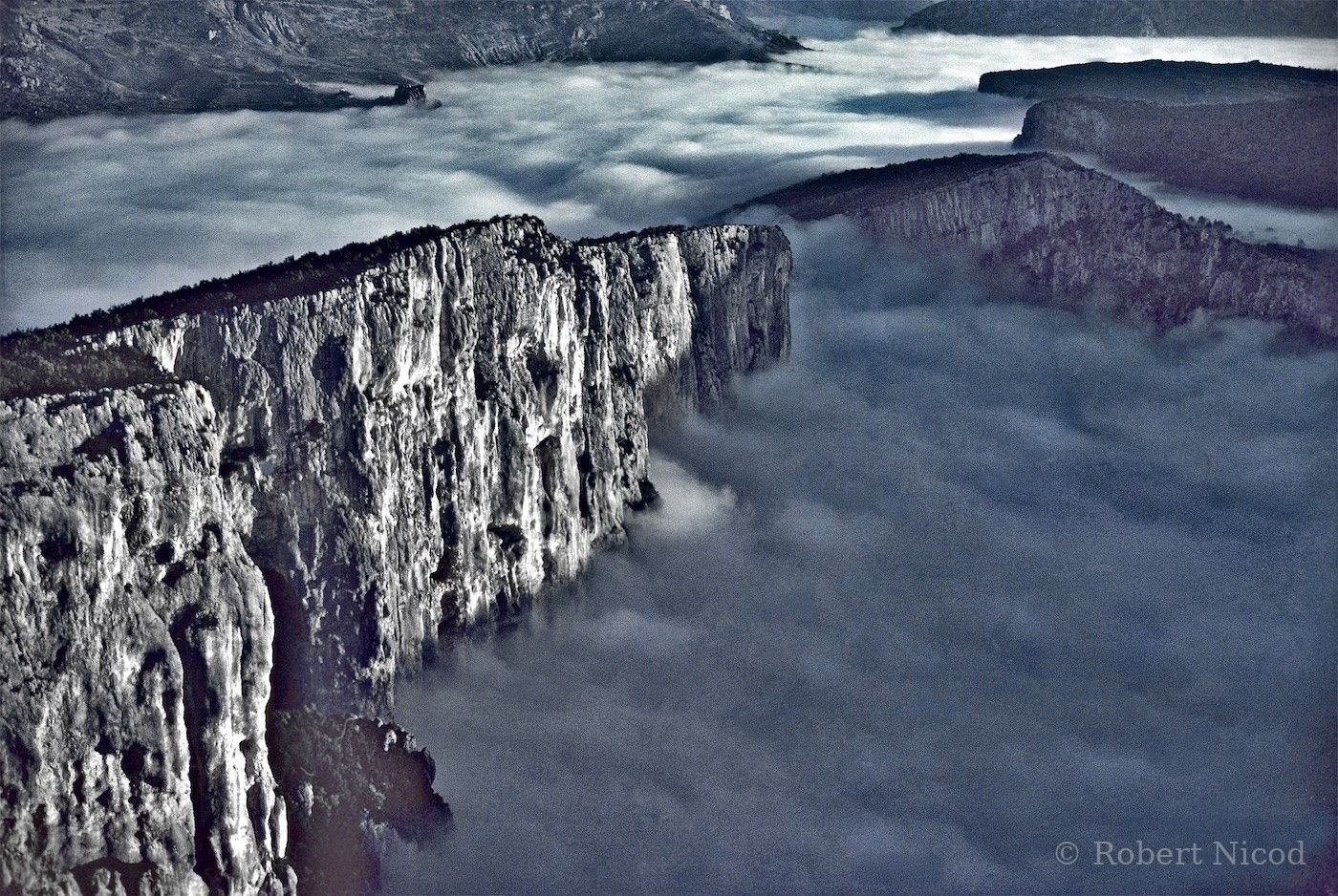
Rougon 1980
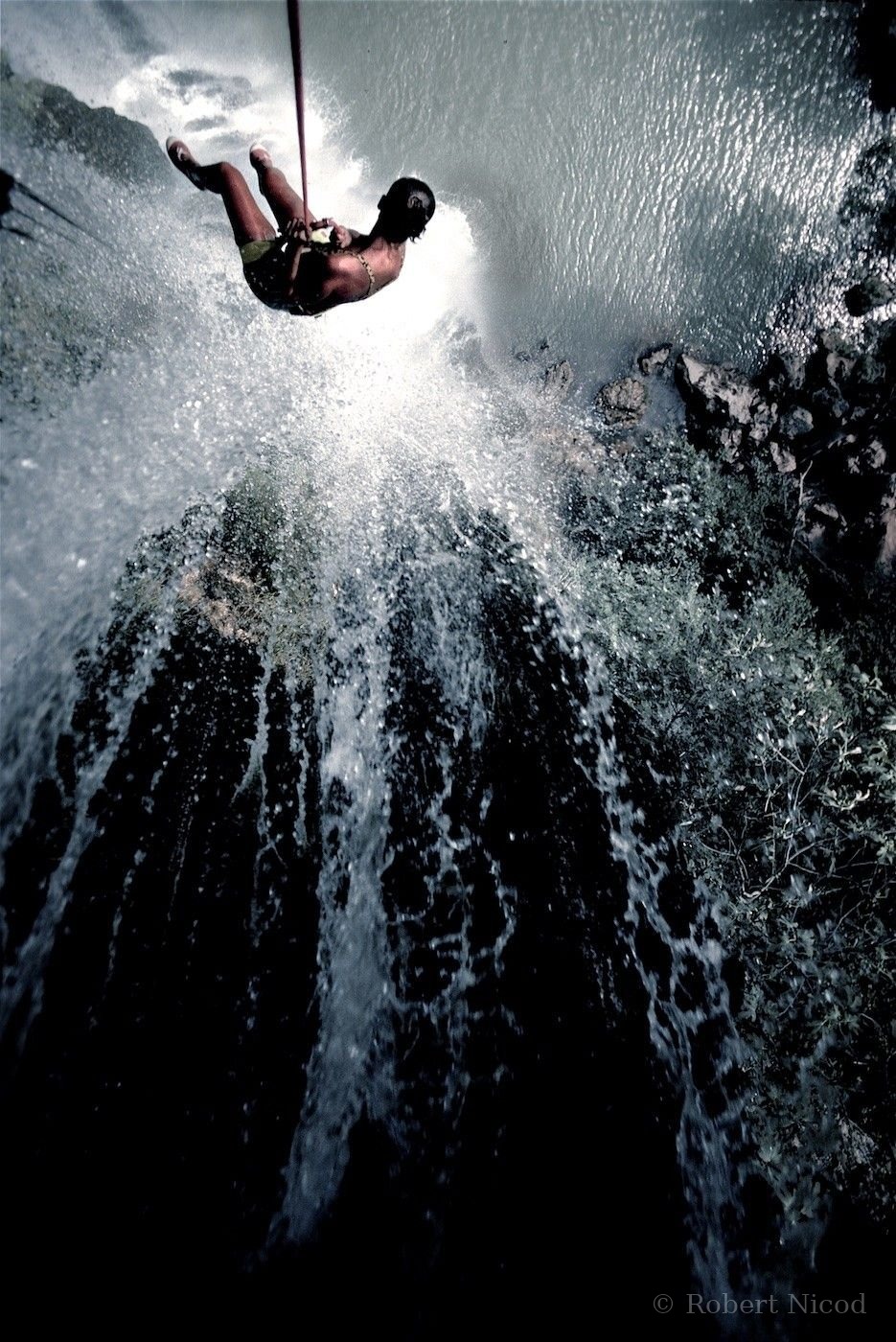
Sillans 1987
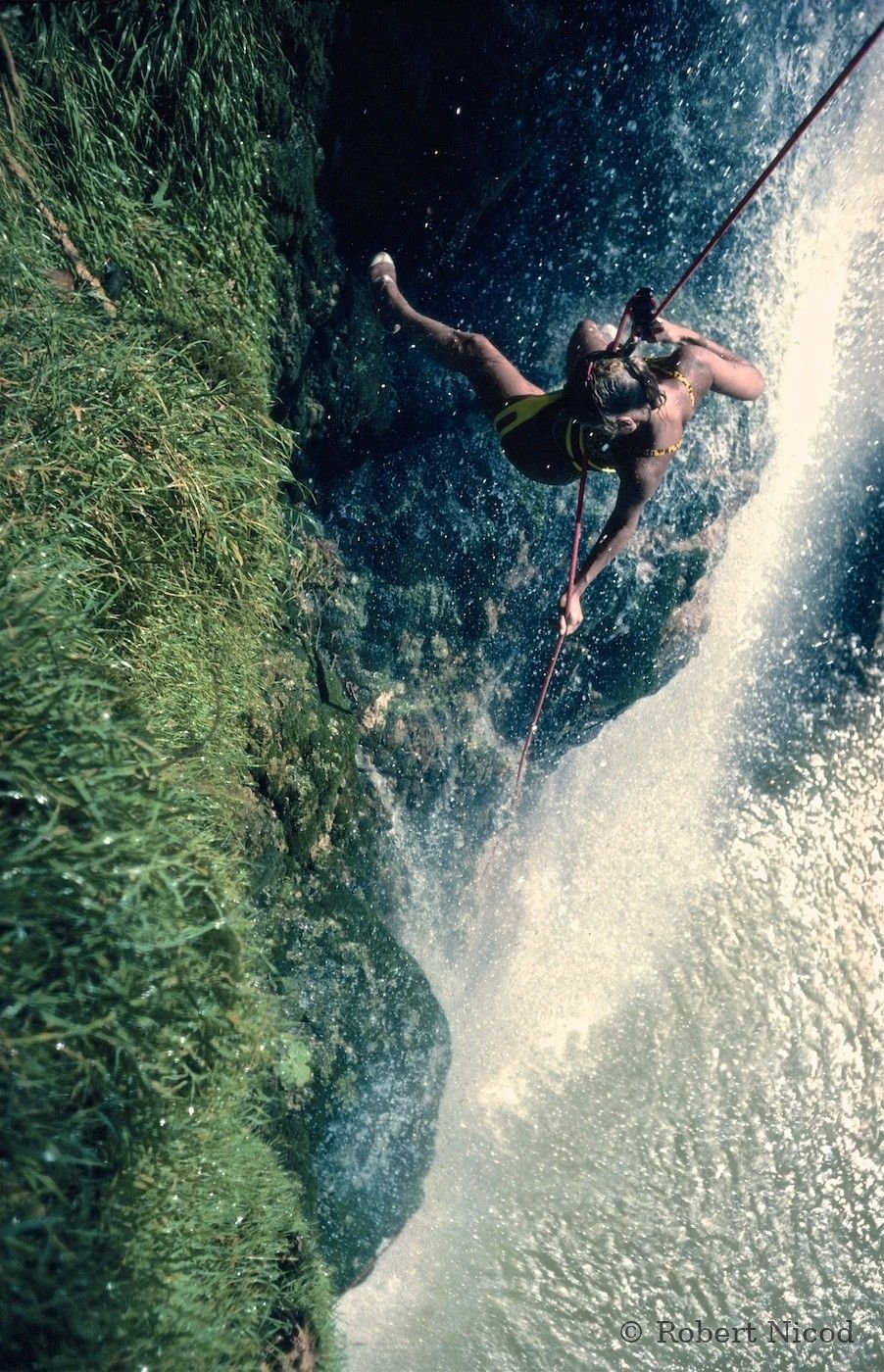
Sillans 1987
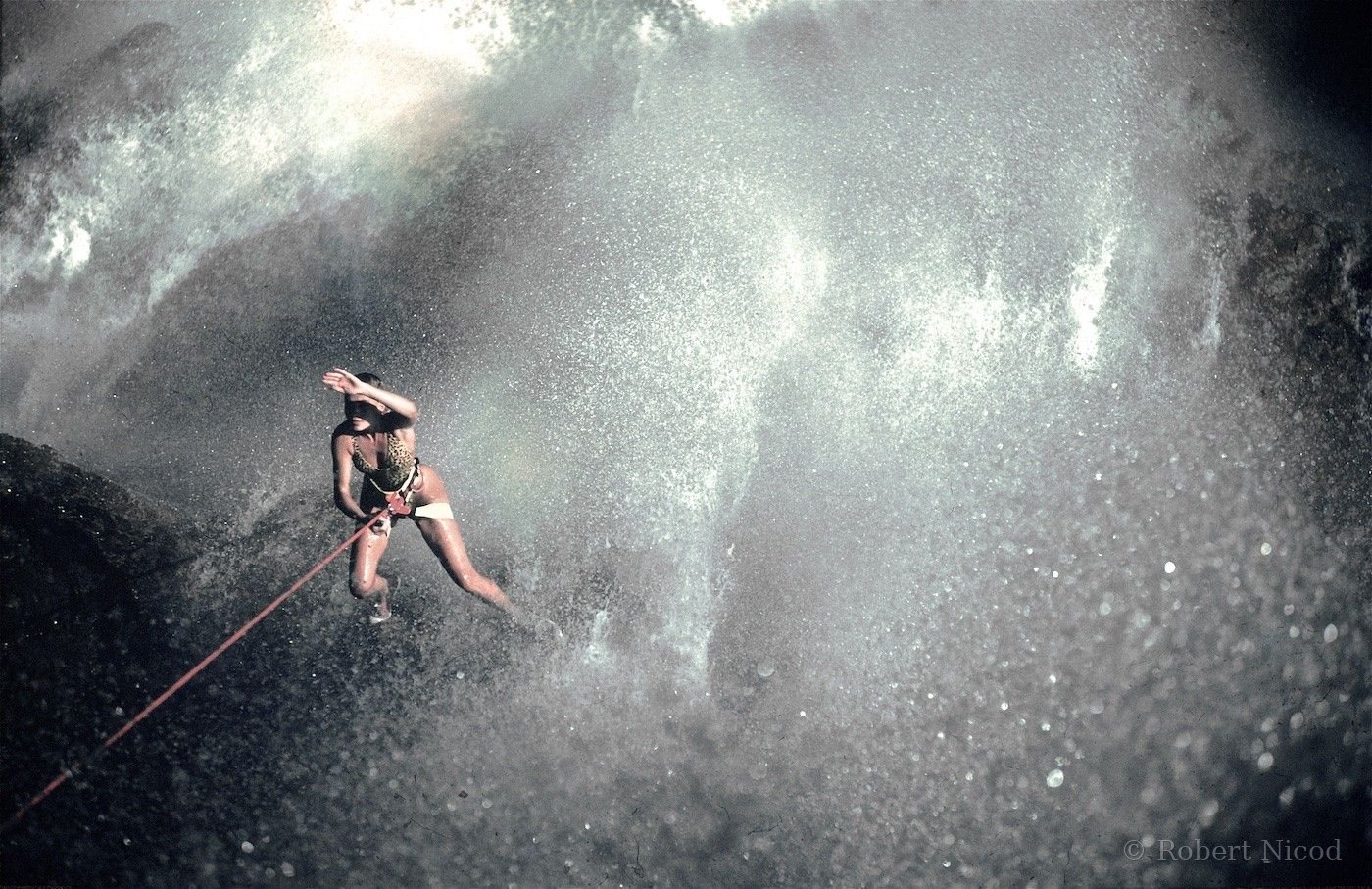
Sillans 1987
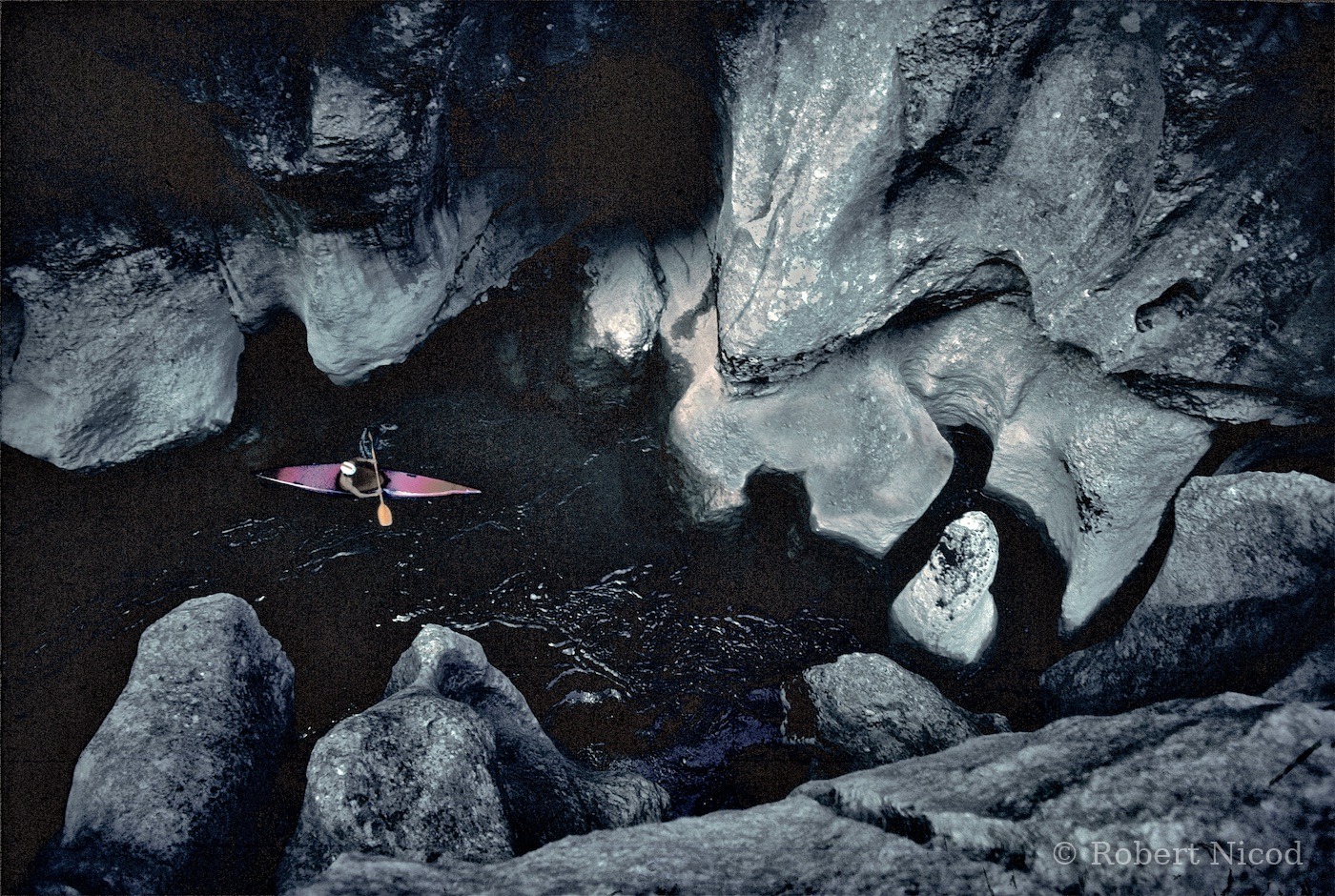
Verdon 1985
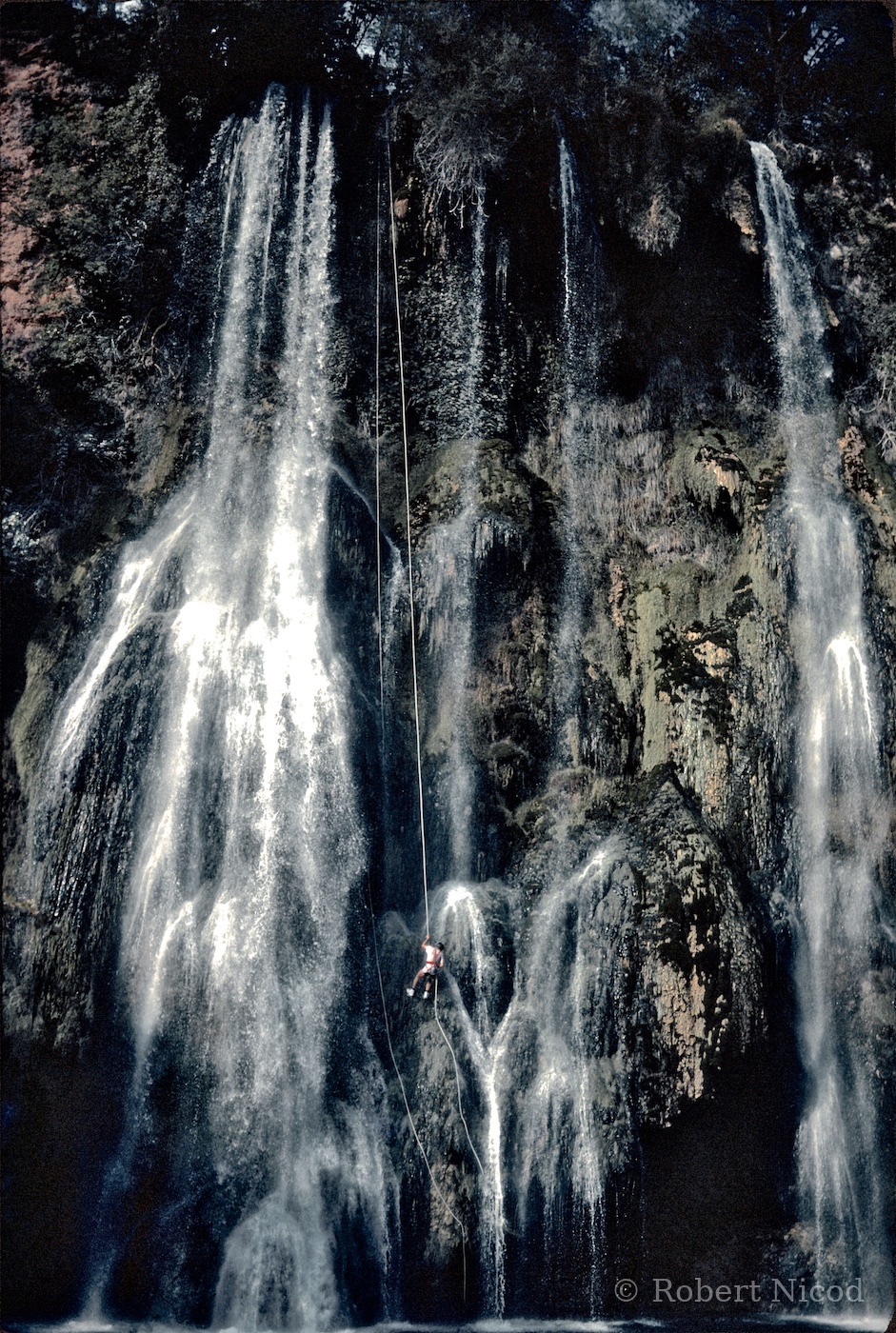
Sillans 1983
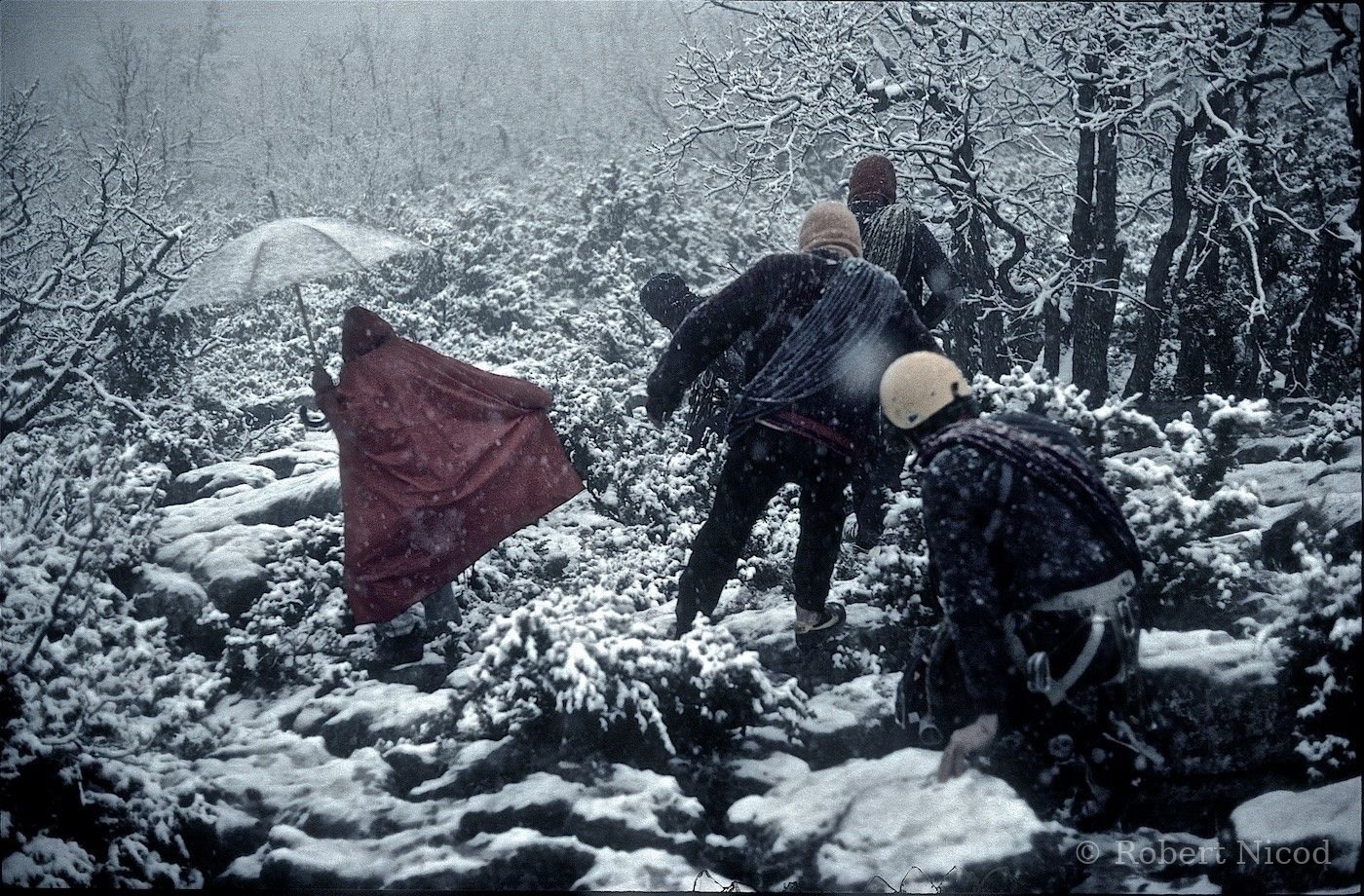
Verdon 1978
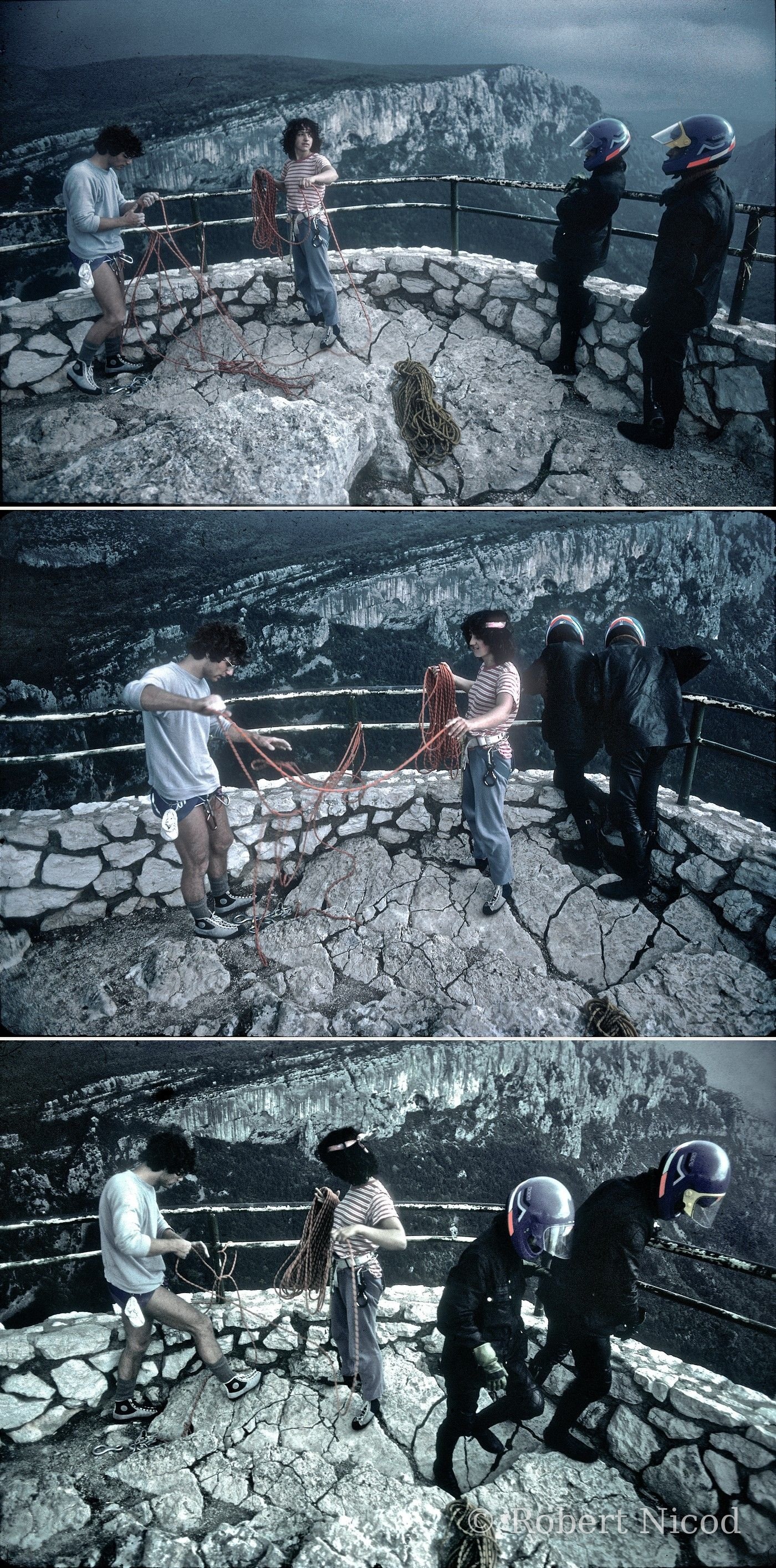
Verdon 1983
Verdon 1983
Verdon 1983
Verdon 1983
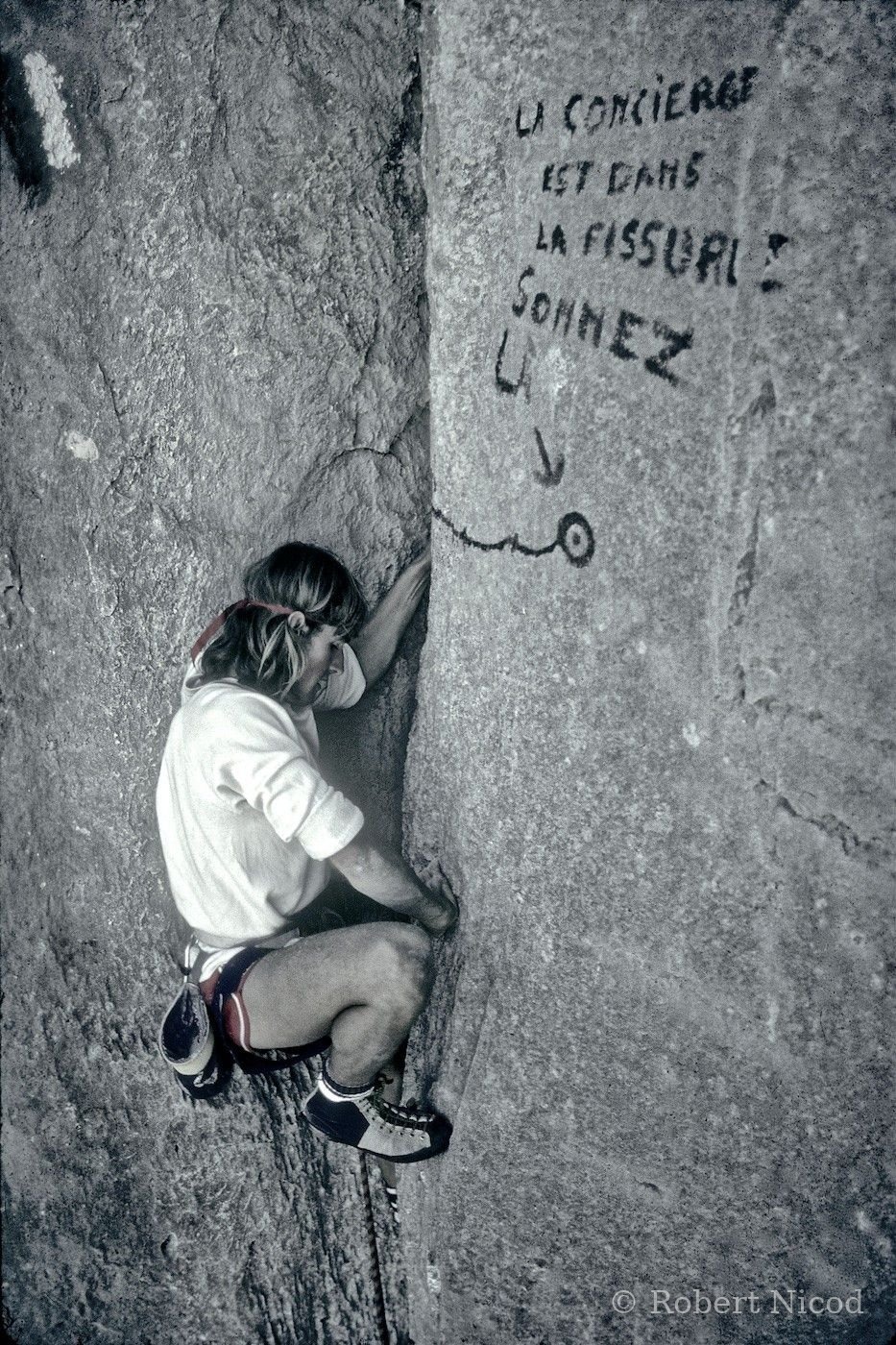
Verdon 1980
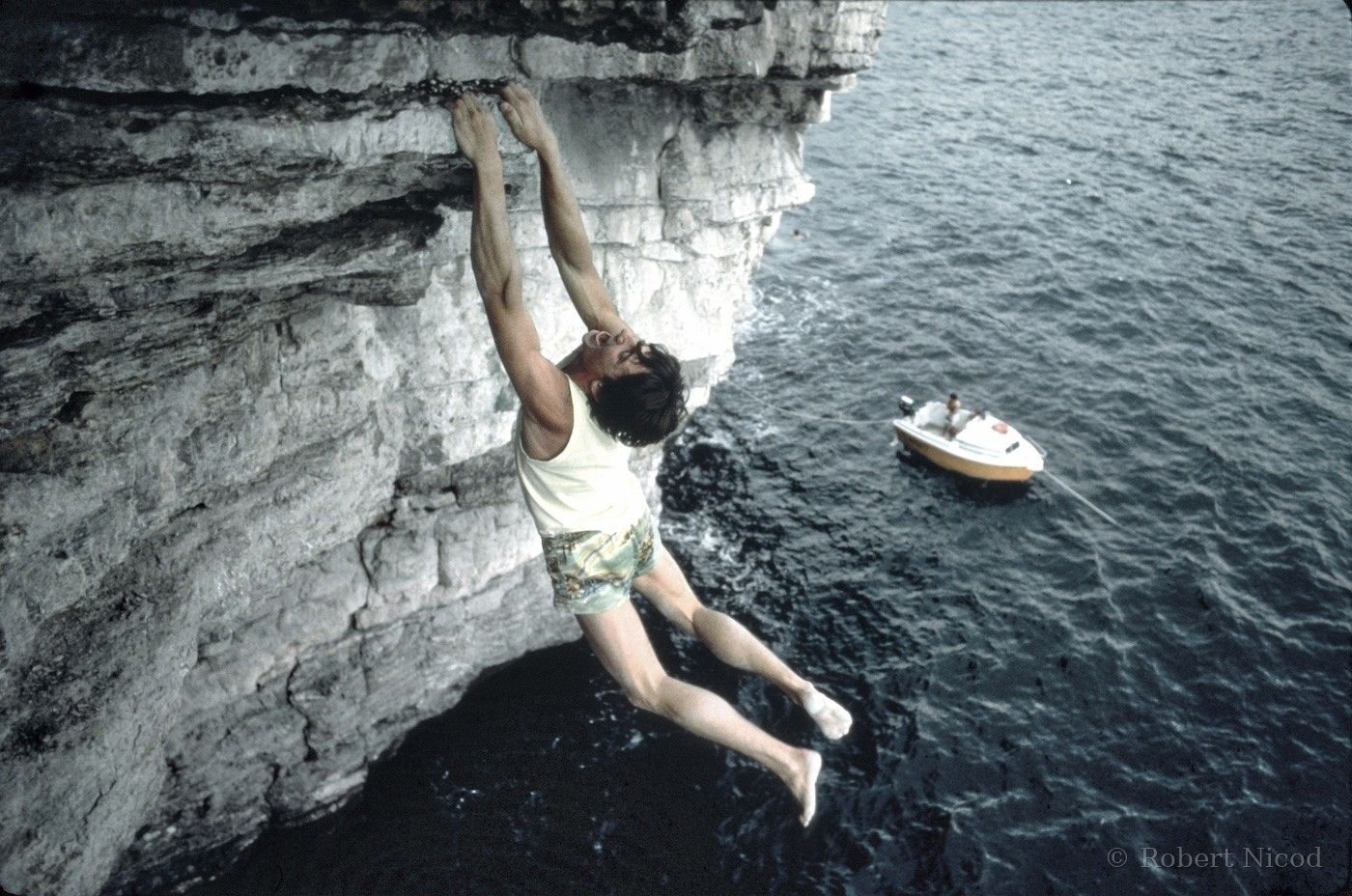
Toulon 1987
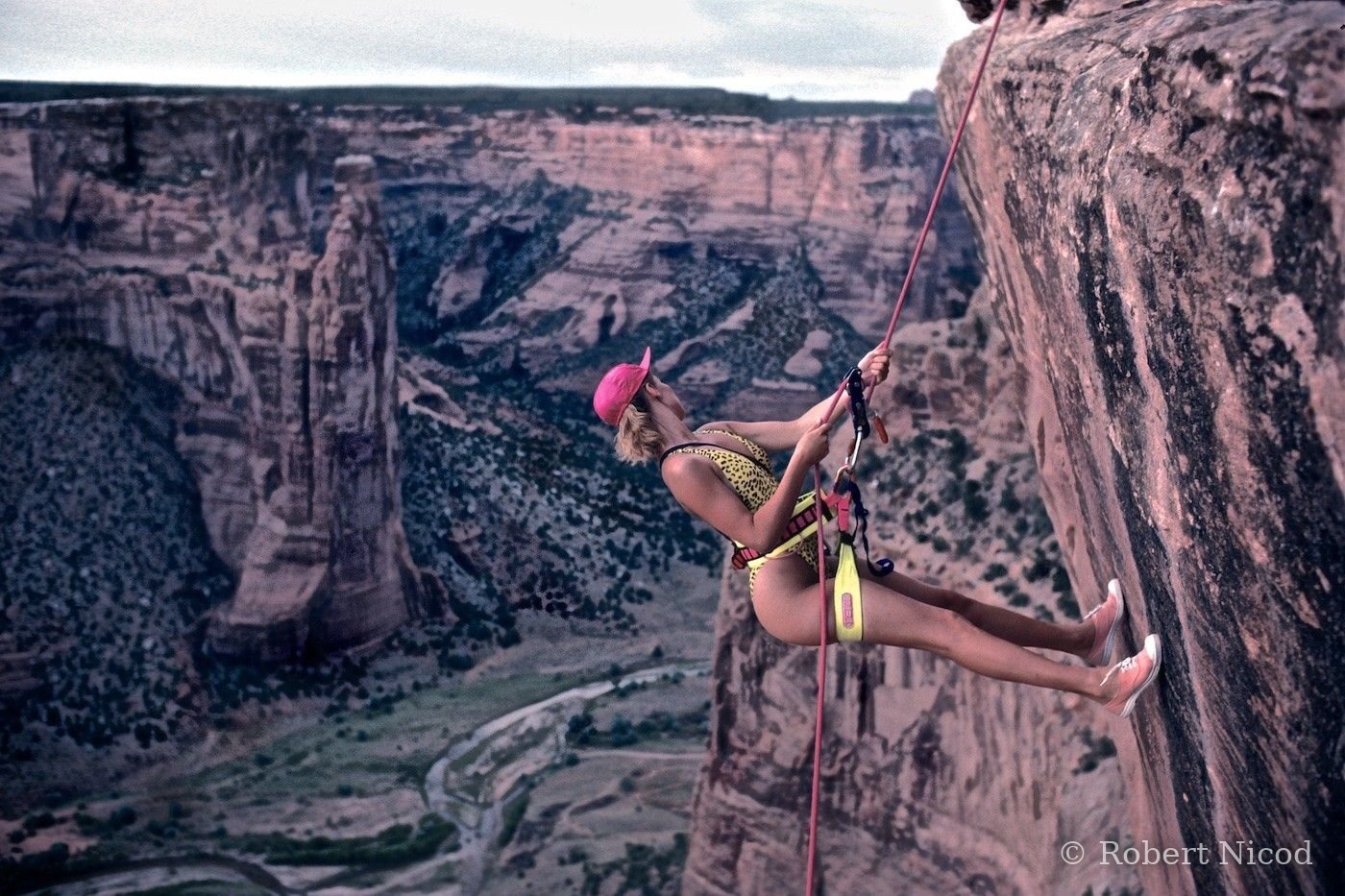
descent into Canyon de Chelly
Arizona 1988
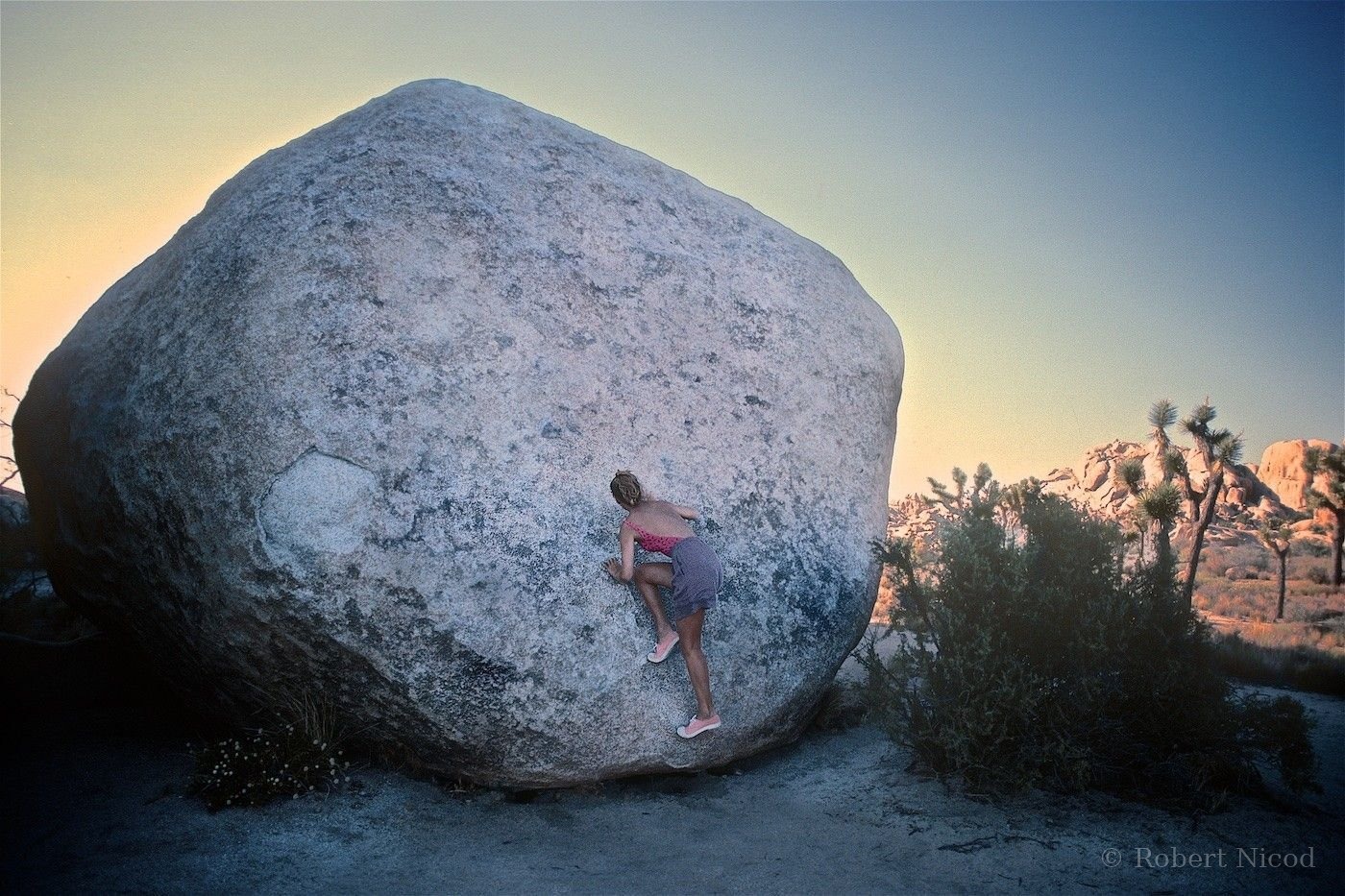
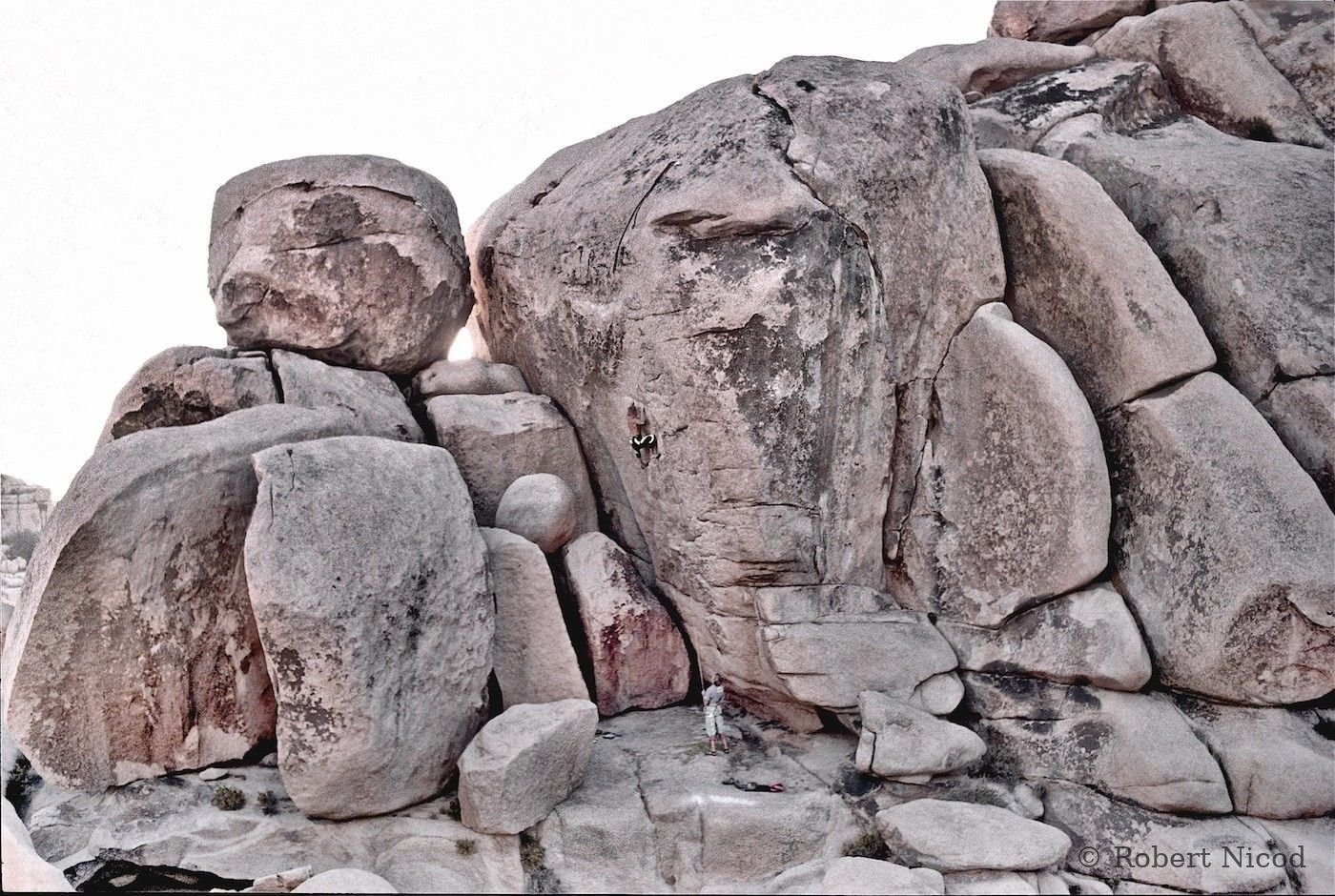
Joshua Tree, California 1988
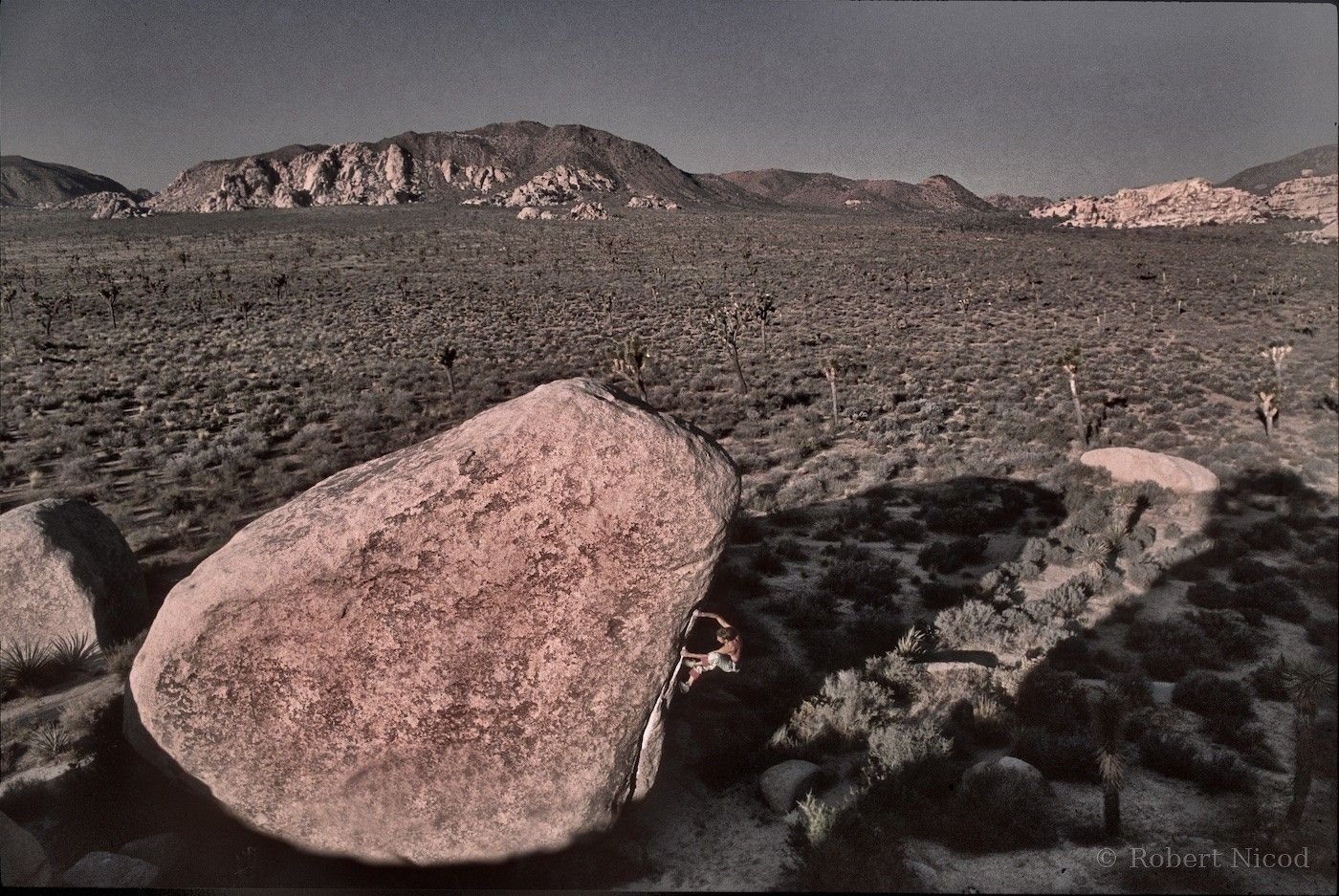
bouldering at Joshua Tree
California 1987
Joshua Tree, California 1987
Patrick Edlinger and Patrick Berhault are among the defining figures of French climbing in the 1980s. Of similar generations, they know each other well, meet regularly and share a friendship tinged with constant, yet always friendly, competition. This emulation helps push them very far, both in physical and mental preparation and in the search for new ways of climbing. They are, however, part of a much broader movement, carried by many French and foreign climbers, some of whom will remain less exposed in the media. From Parisian climbers, such as Jean-Baptiste Tribout and the Le Menestrel brothers, to Alain Robert, as far as Wolfgang Güllich in Germany, Ben Moon and Jerry Moffatt in Great Britain or John Bachar in the United States, many personalities contribute, each in their own way, to the evolution of the discipline. In the Eastern Bloc countries too, sport climbing already has a well-established history and tradition. This generation stands out for great technical mastery, but also for a renewed gestural language, more fluid, supple and precise, where the search for aesthetics and harmony plays an essential part. Concentration, balance, suppleness, intuition and mastery of fear become so many fundamental elements for pushing back the limits of the possible. In this context, free climbing and soloing take on a new dimension and contribute to the transformation of world climbing. The film La Vie au bout des doigts (Life at Your Fingertips), directed by Jean-Paul Janssen, largely helps introduce the general public to Patrick Edlinger and this new approach to climbing, still largely unknown. Its media impact gives exceptional visibility to a practice whose evolution rests on many climbers, in France and abroad. Climbing then becomes much more than a performance: a true expression of the body, where difficulty, risk and the beauty of movement come together.
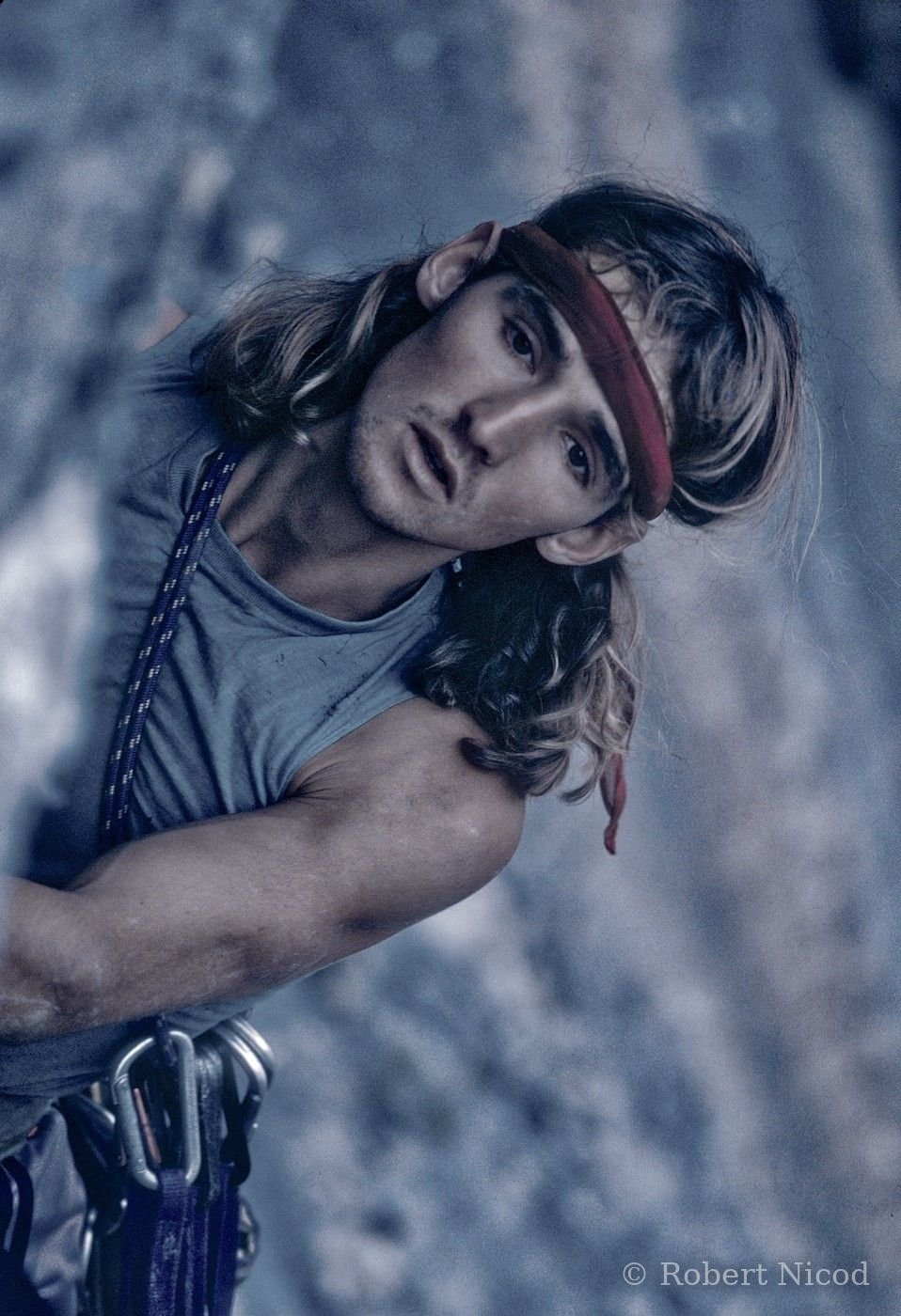
1982
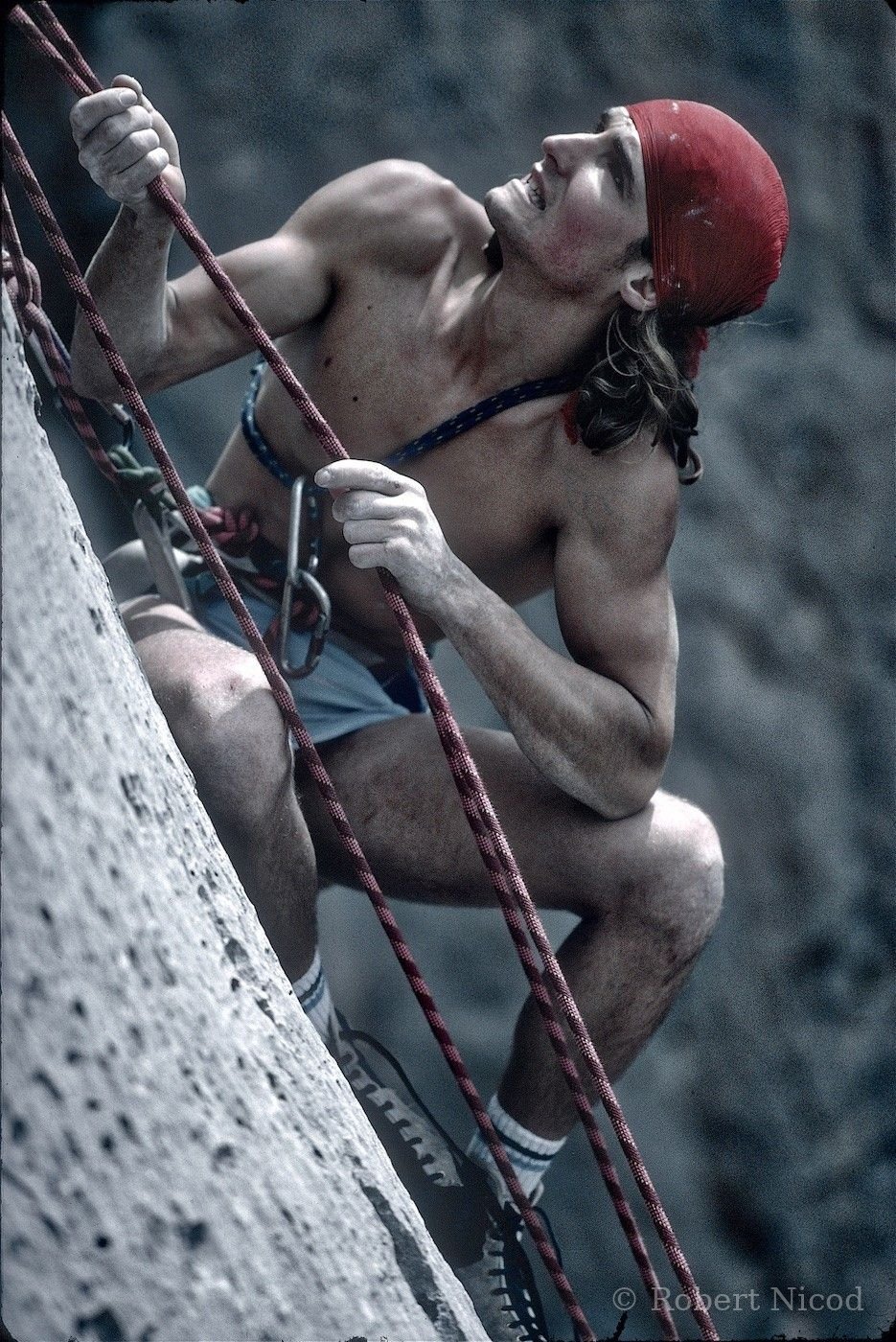
Verdon 1982
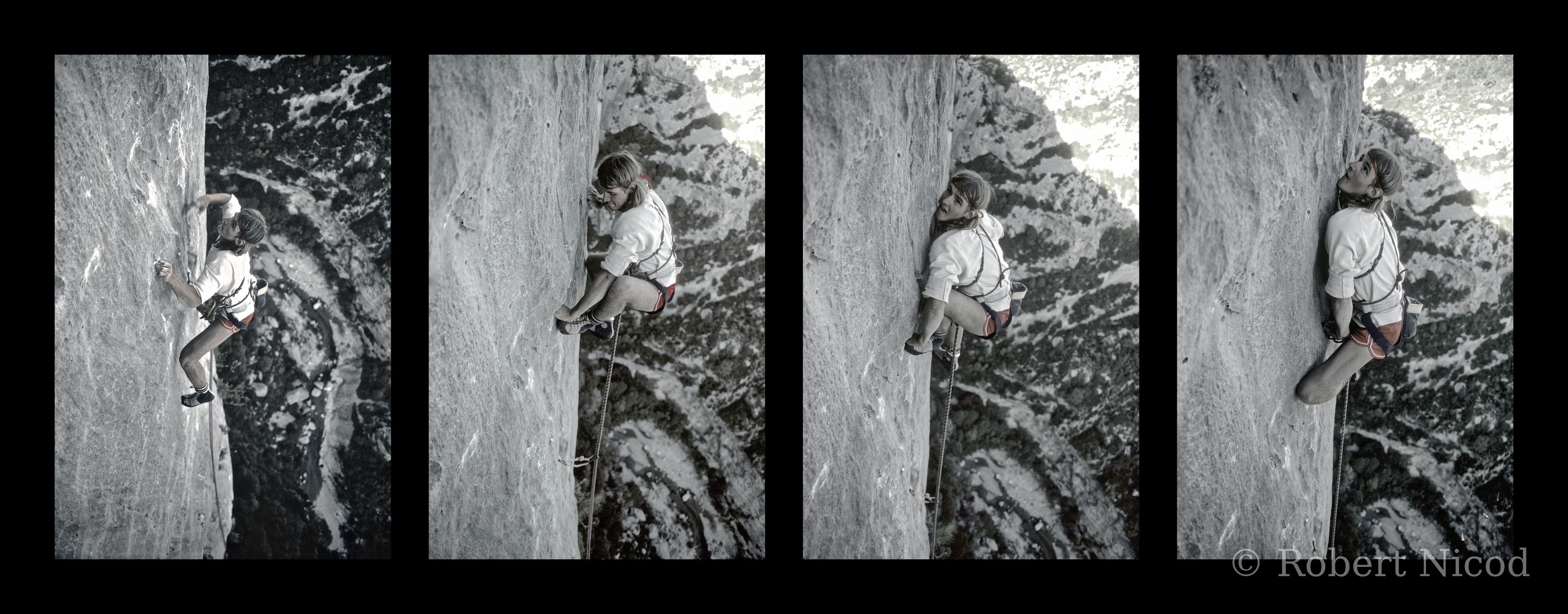
Verdon 1980
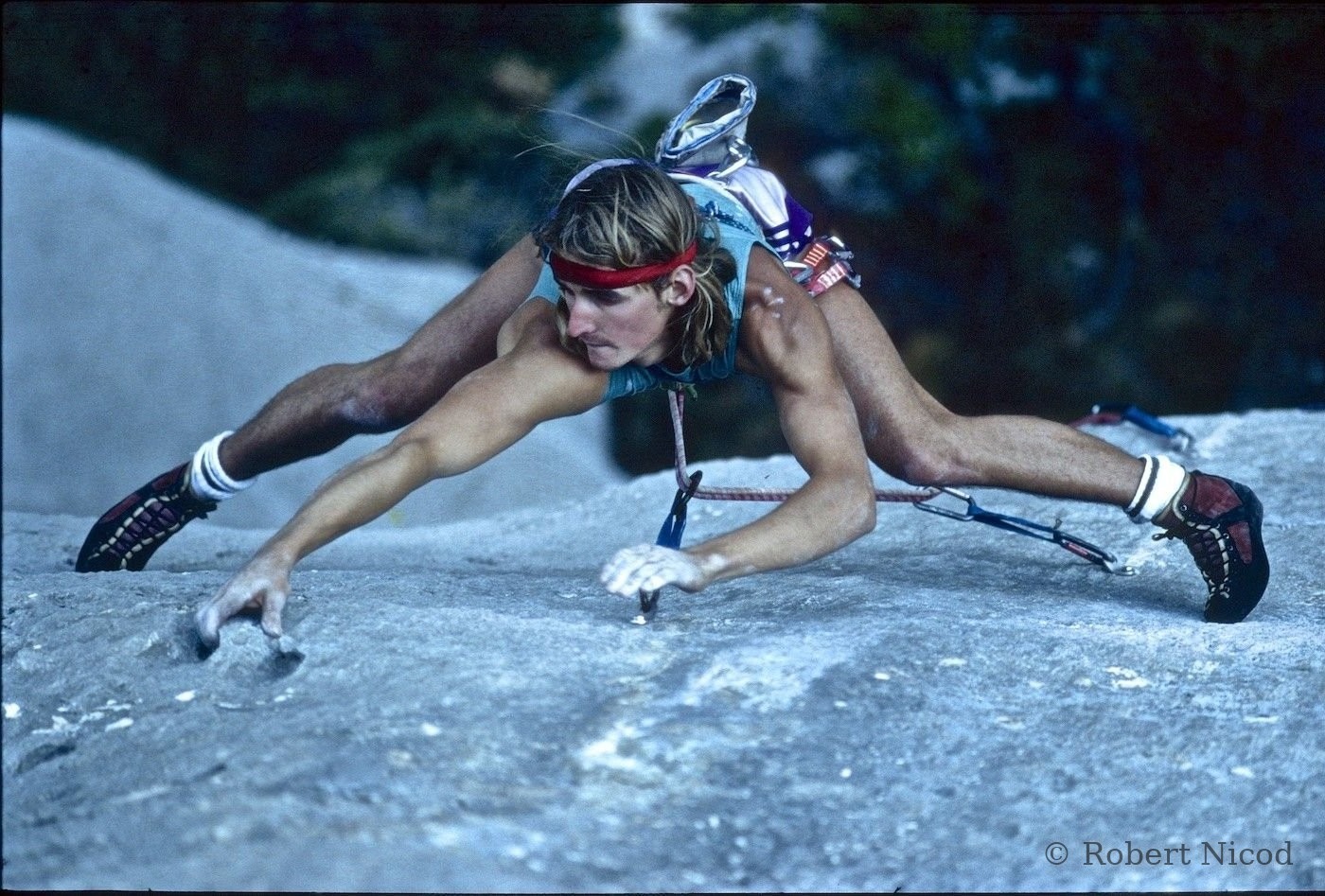
Verdon 1982
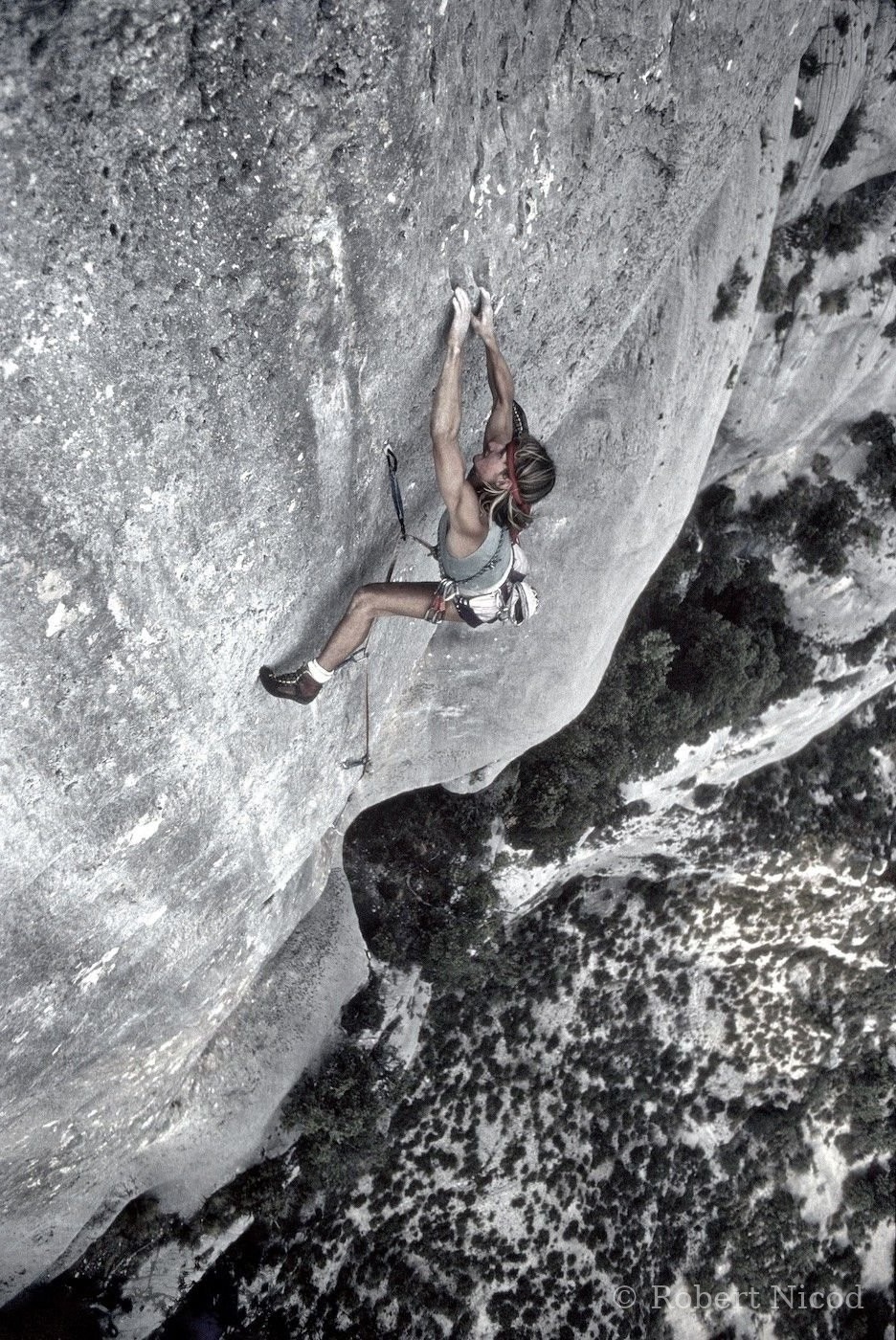
Verdon 1982
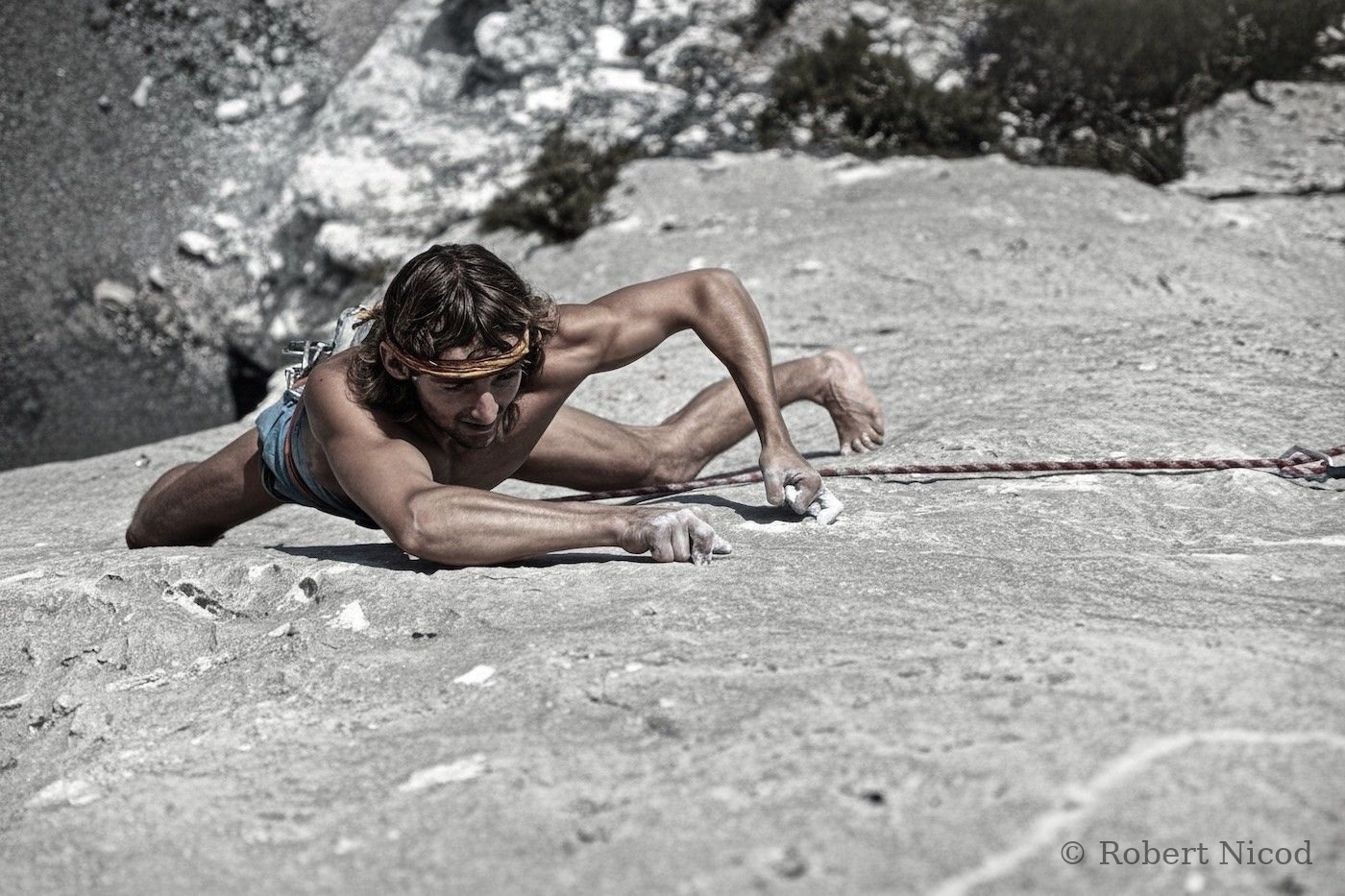
“Miroir du fou”
Verdon 1982
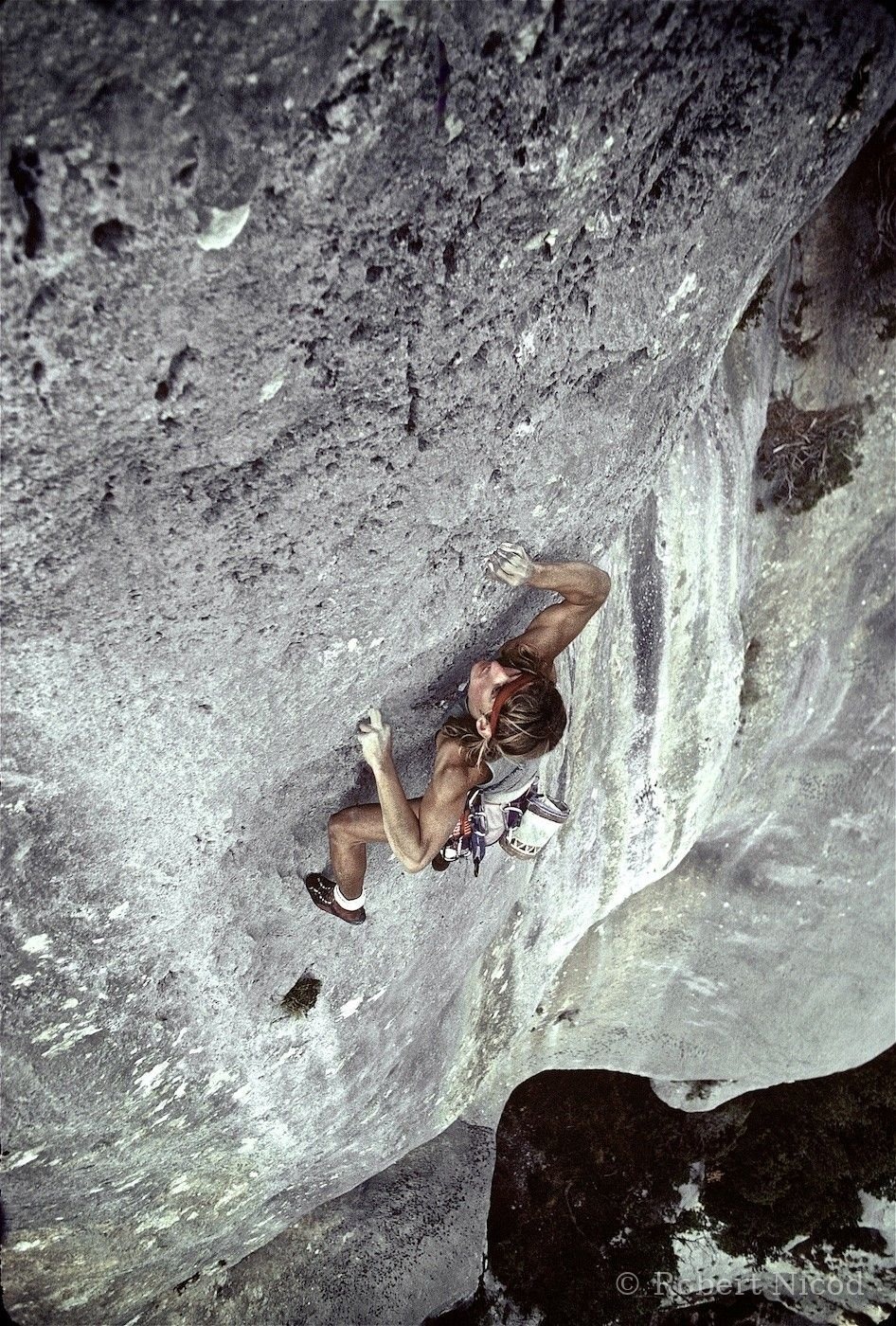
Verdon 1982
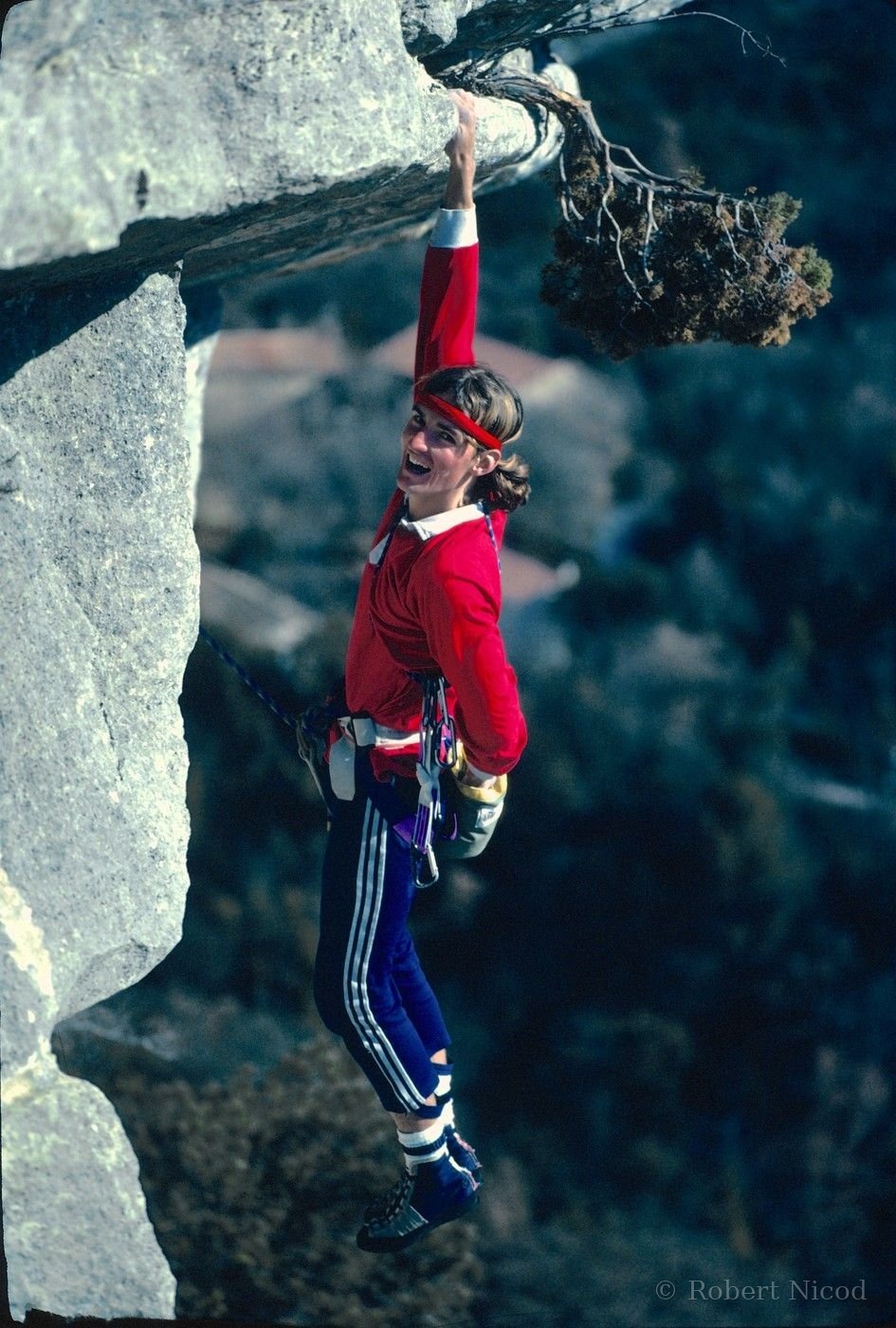
Buoux 1982
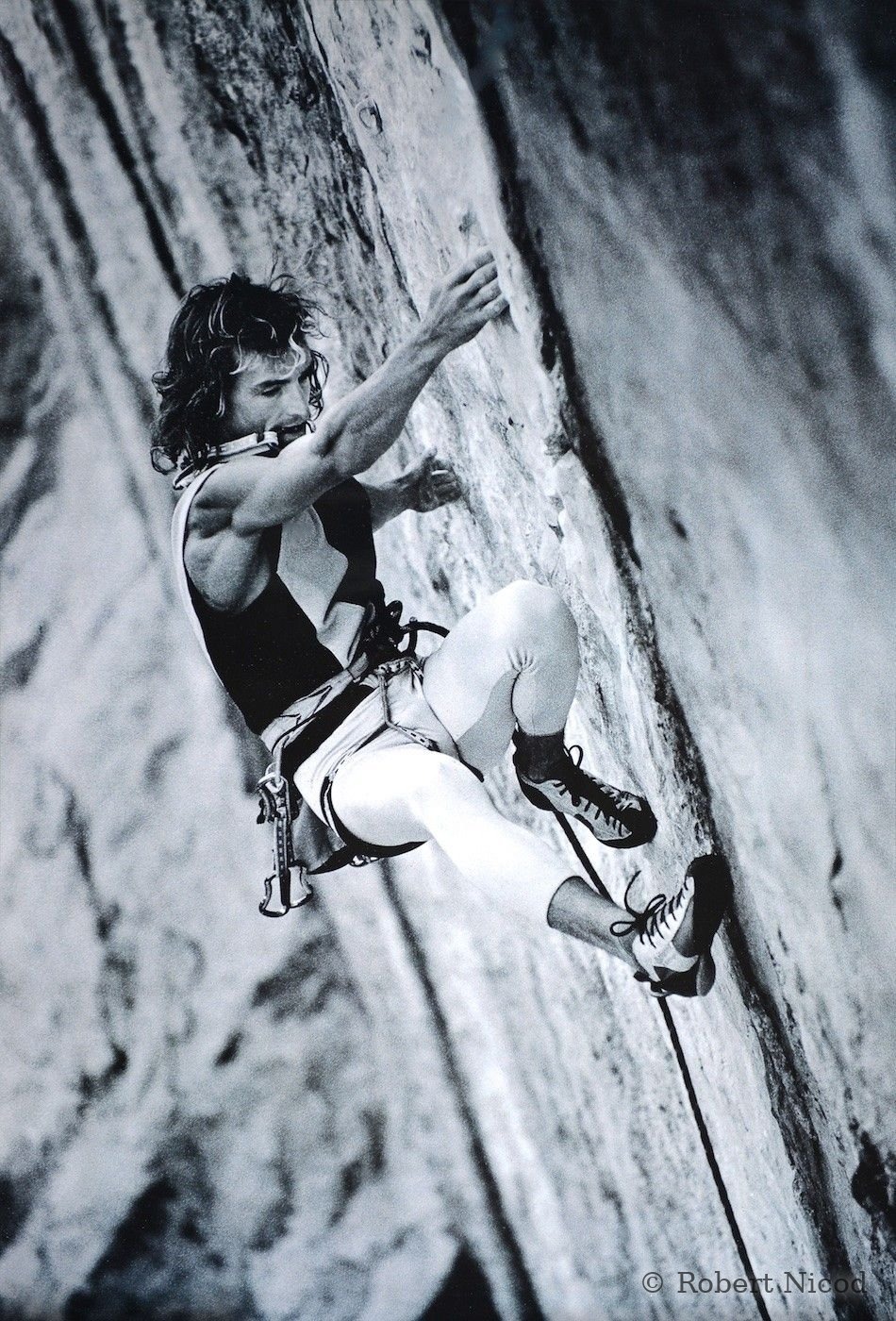
Cimaï 1986
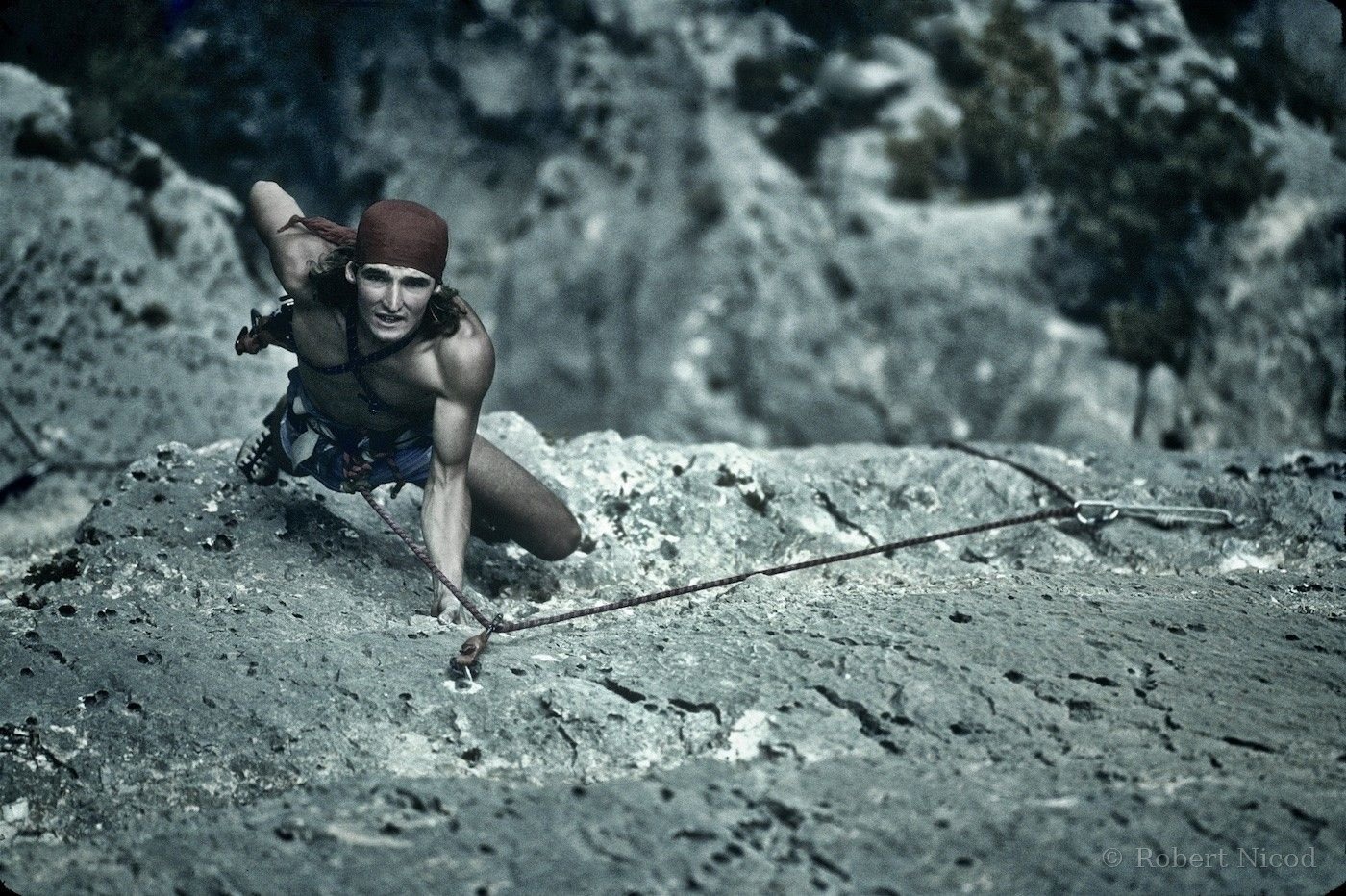
Verdon 1982
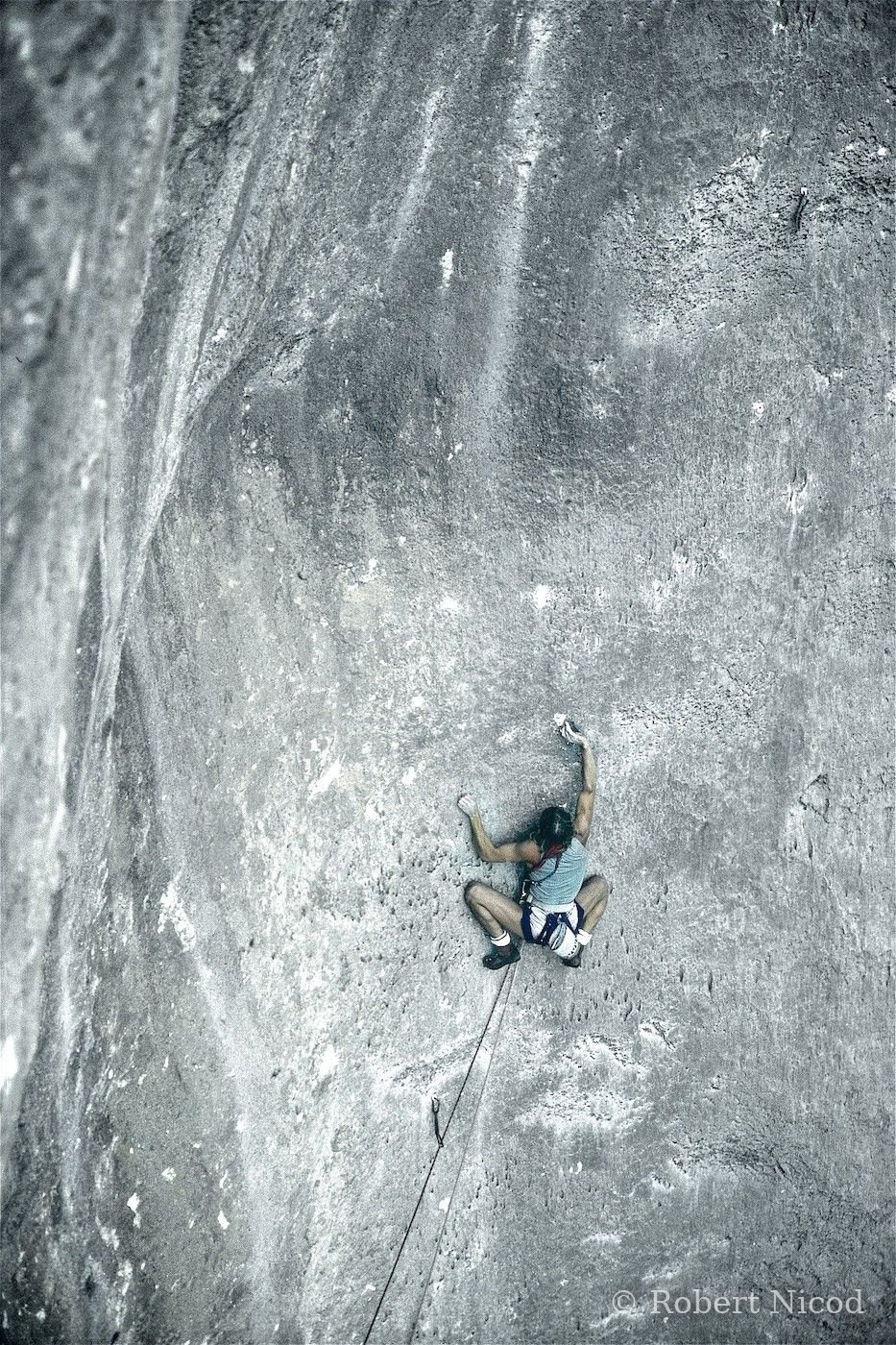
Verdon 1982
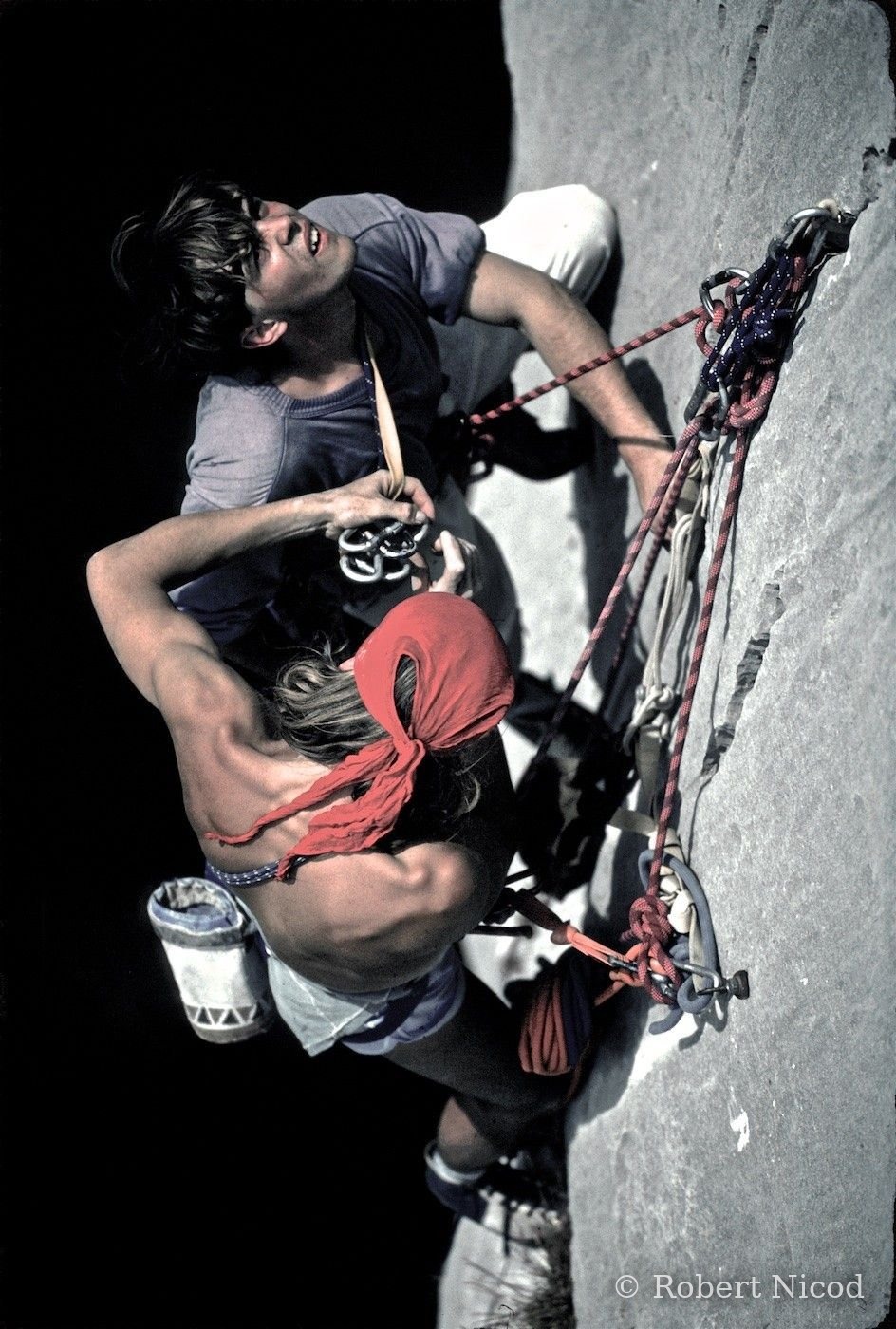
“Chrisalys”
Verdon 1982
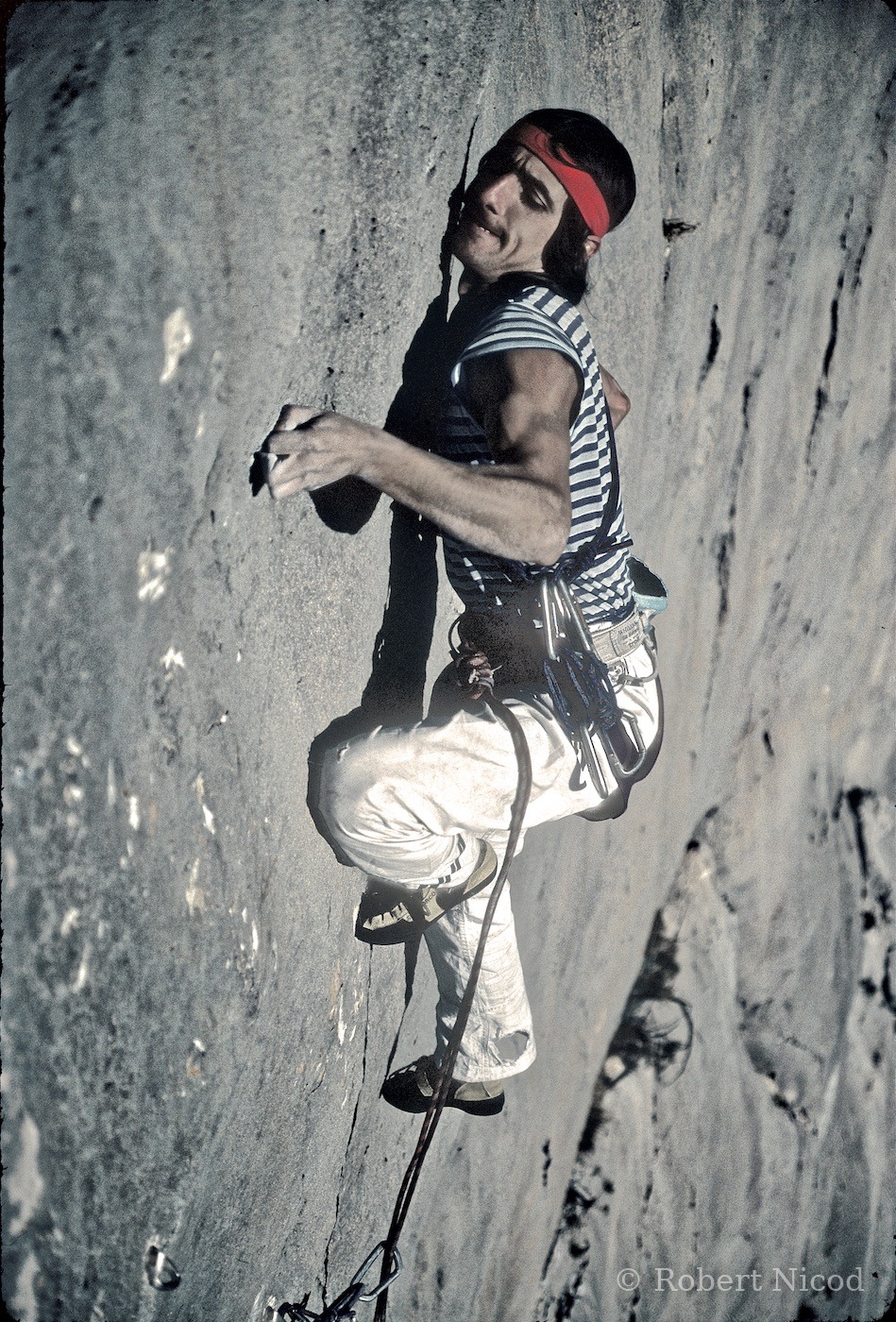
one of the hardest passages in the world at the time
Verdon 1980
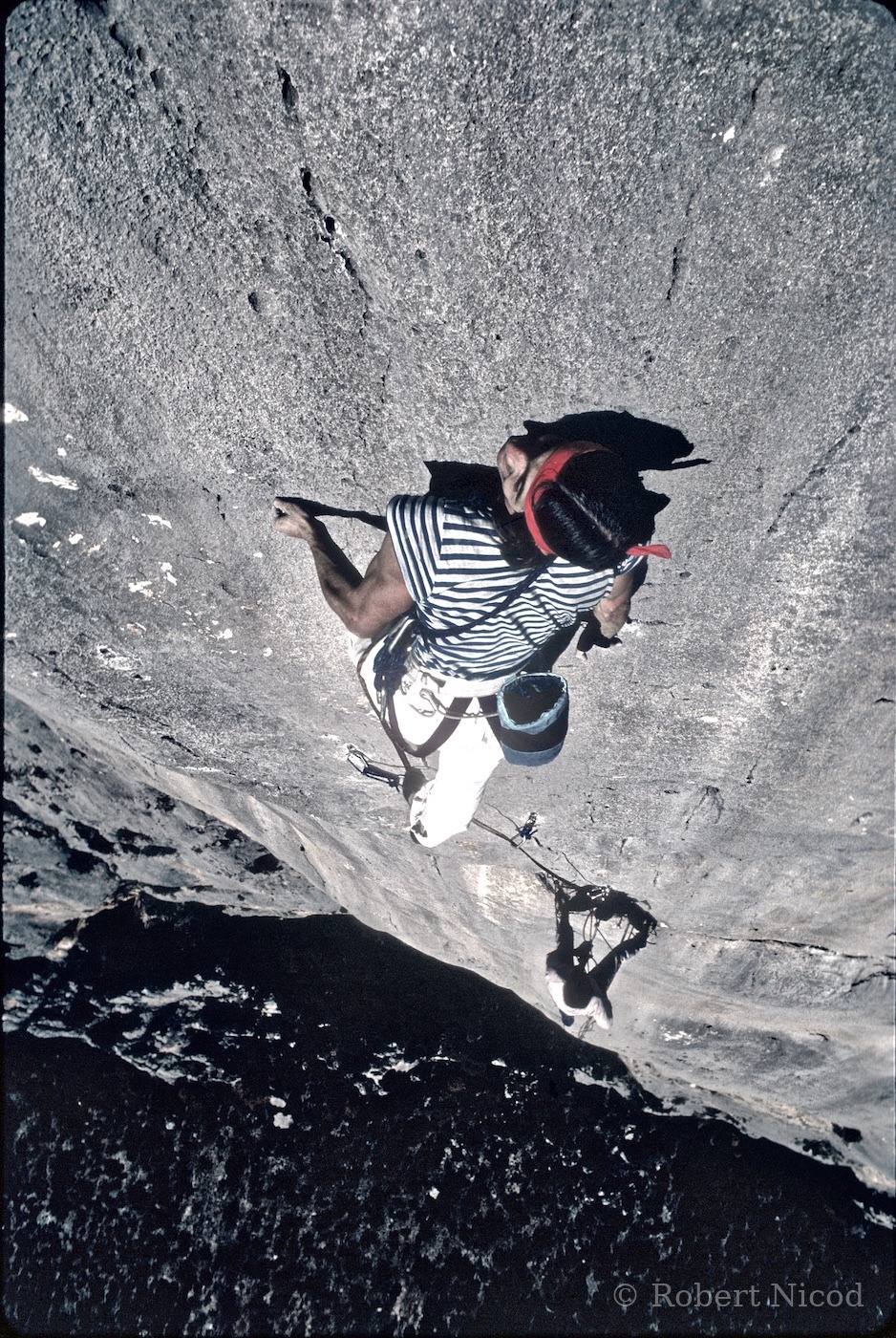
“Bombé de Pichenibule”
Verdon 1980
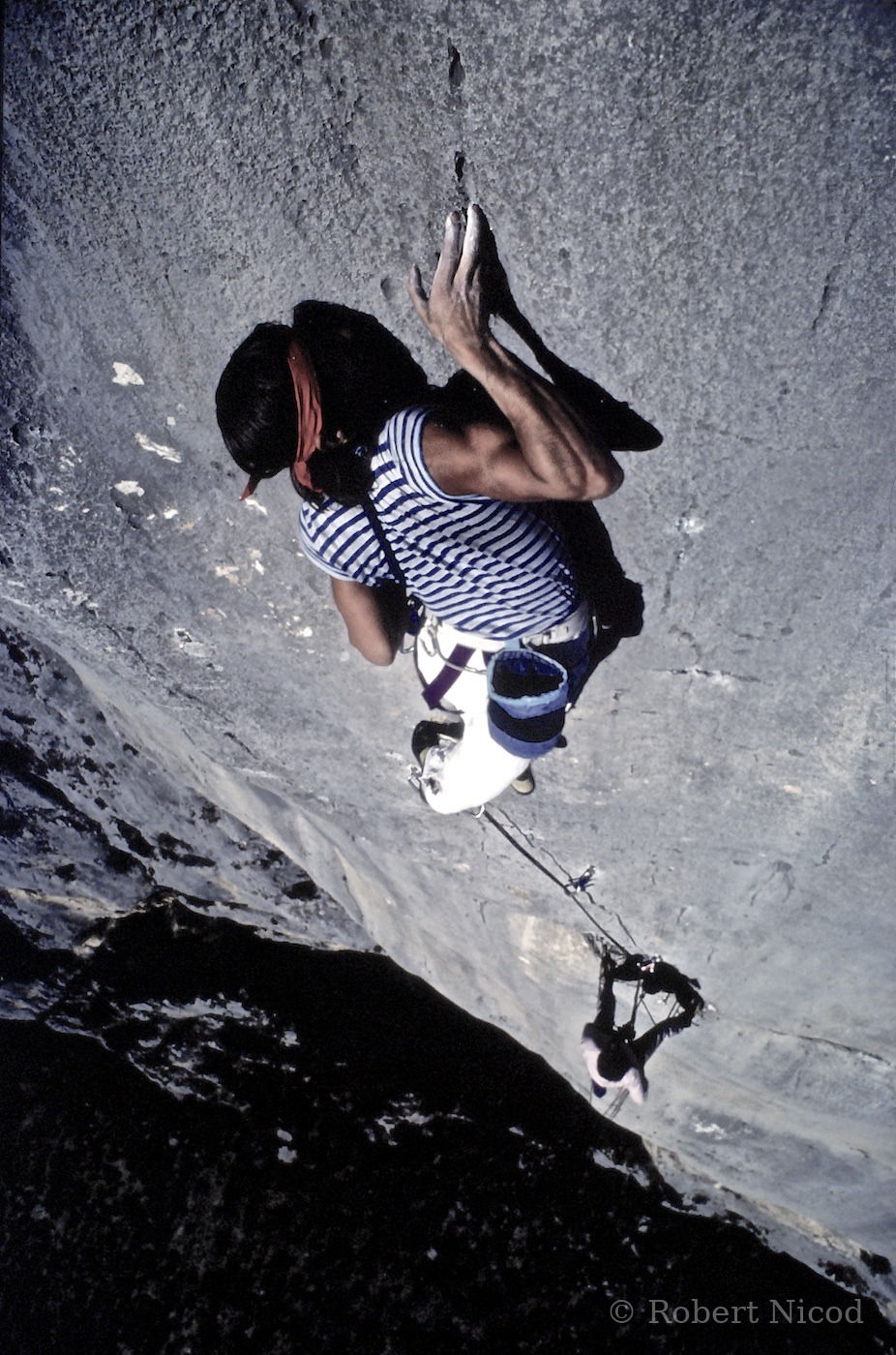
“Bombé de Pichenibule”
Verdon 1980
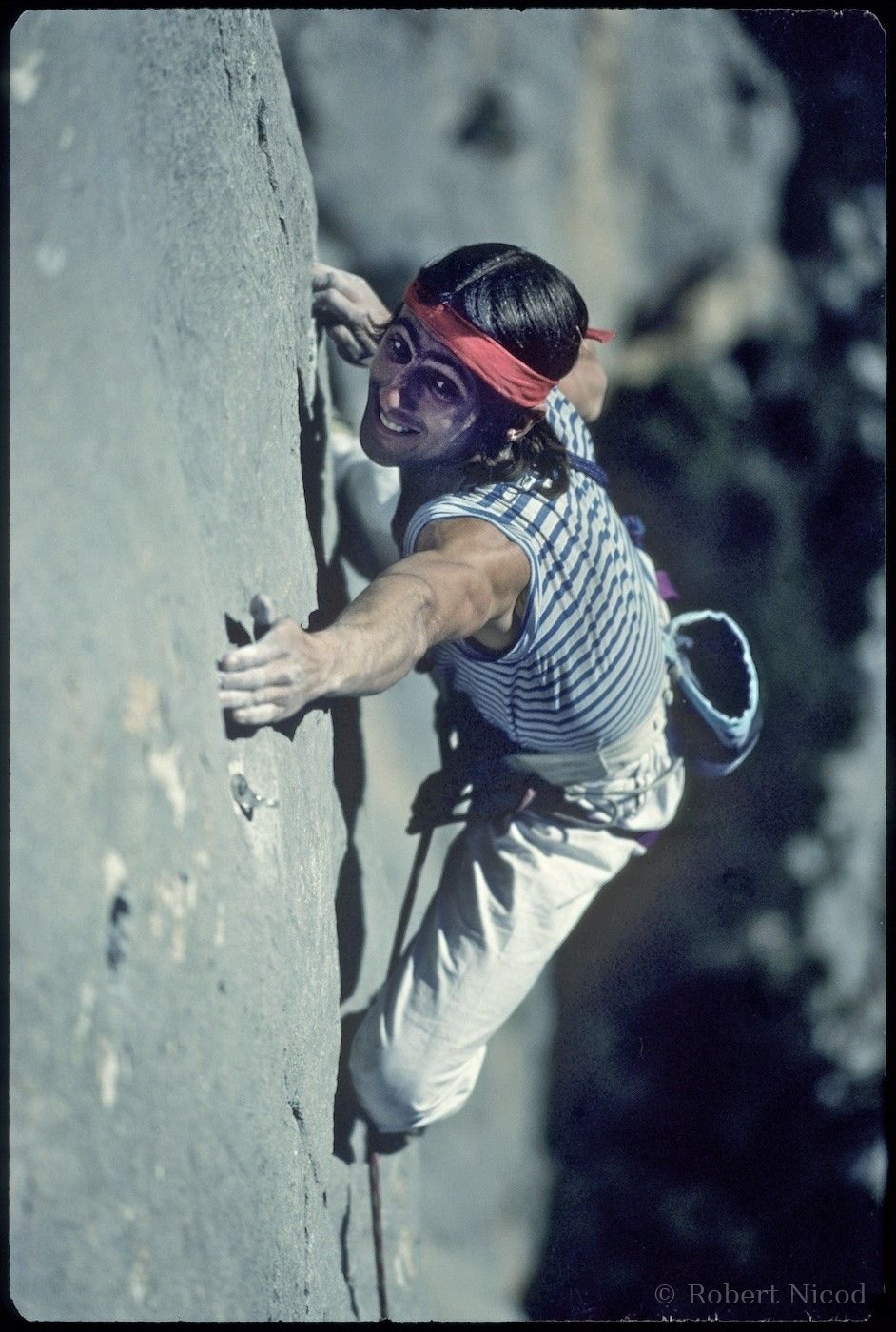
“Bombé de Pichenibule”
Verdon 1980
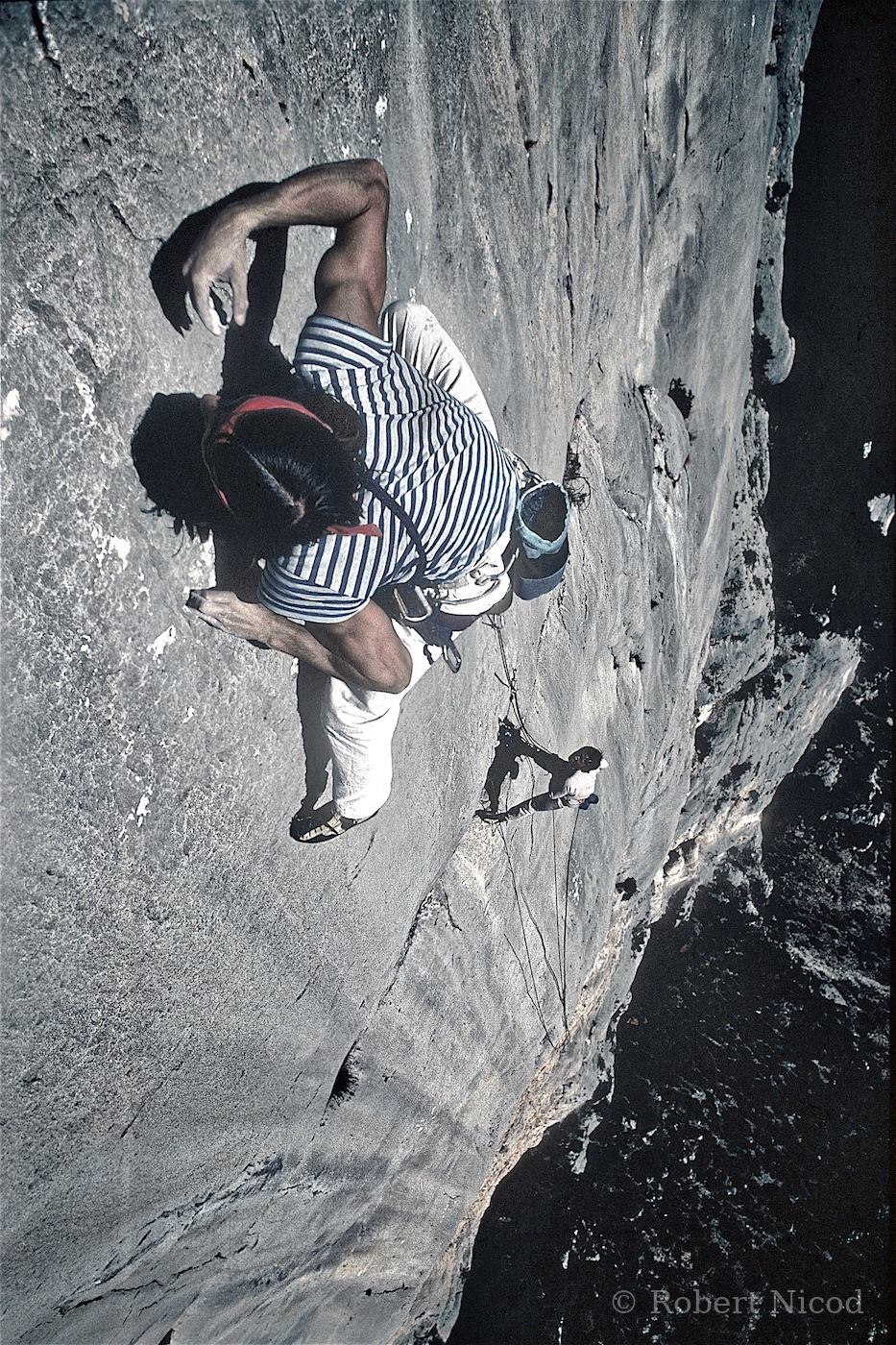
Verdon 1980
In the early 1980s, Catherine Destivelle was already an exceptional climber. At Fontainebleau, she made climbs of exceptional difficulty, often considered beyond the reach of women climbers of her time. Then, after a few years at the highest level, she drifted away from climbing and gradually lost the training that had been her strength. In 1983, our paths crossed in the Verdon gorges. I saw her climb during a fleeting meeting in mid-wall. Her ease and speed on very difficult passages struck me immediately. I was then preparing E pericoloso sporgersi, a film in which I wanted to show the emergence of women in a still largely male world. I offered her the chance to be one of the protagonists. Catherine accepted, without telling me she had lost a large part of her level, physically as well as mentally. The prospect of the shoot, however, would become a real opportunity for her. To rise to the challenge, she set herself a demanding goal: to regain her abilities and her best level. A few weeks before the shoot, she came back to the Verdon and set about preparing on the Bombé de Pichenibule, a passage of extreme difficulty, then considered one of the hardest in France. Through relentless work, she gradually regained her strength, her technique and her confidence. On the day of the shoot, she completed the climb with extraordinary grace, determination and above all joy. I would only discover later all she had had to overcome to reach that moment. Looking back, I realize how much this film proposal may have counted in her career. Without being the only cause, it gave her a goal around which to rebuild herself and the chance to find her way back to the highest level. This climb marked the beginning of a spectacular comeback. In the years that followed, Catherine Destivelle became one of the greatest climbers of her time and, through her career and performances, helped open the way for a new generation of women in climbing. For me, this sequence remains one of the strongest moments of the film. But it is also the memory of a meeting and an opportunity that took on a far greater meaning than I could have imagined at the outset: that of a shoot which, indirectly, helped change the course of the life of a woman whose determination and strength of character did the rest.
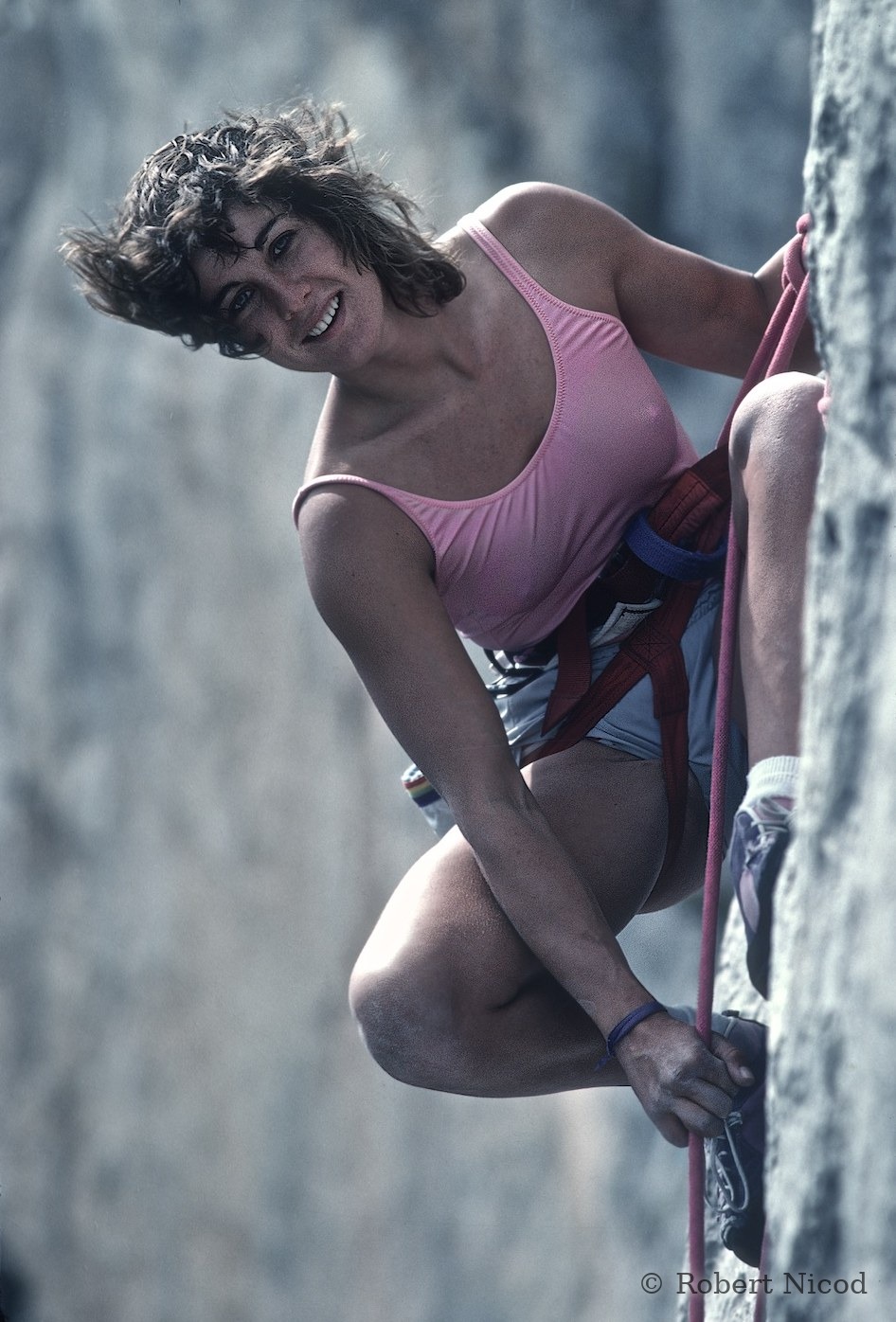
Verdon 1985
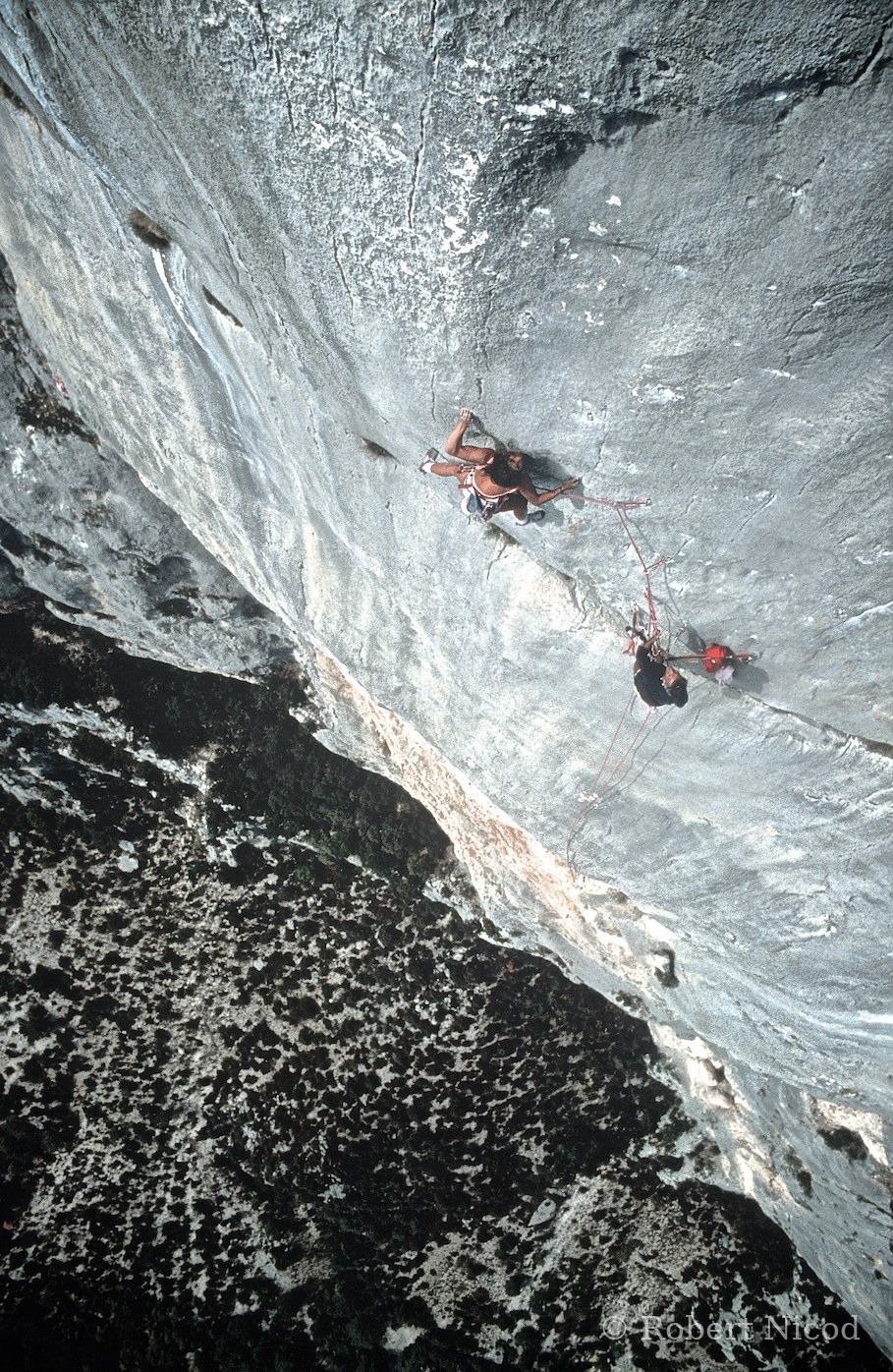
The immense void of the Escalès wall
Verdon 1985
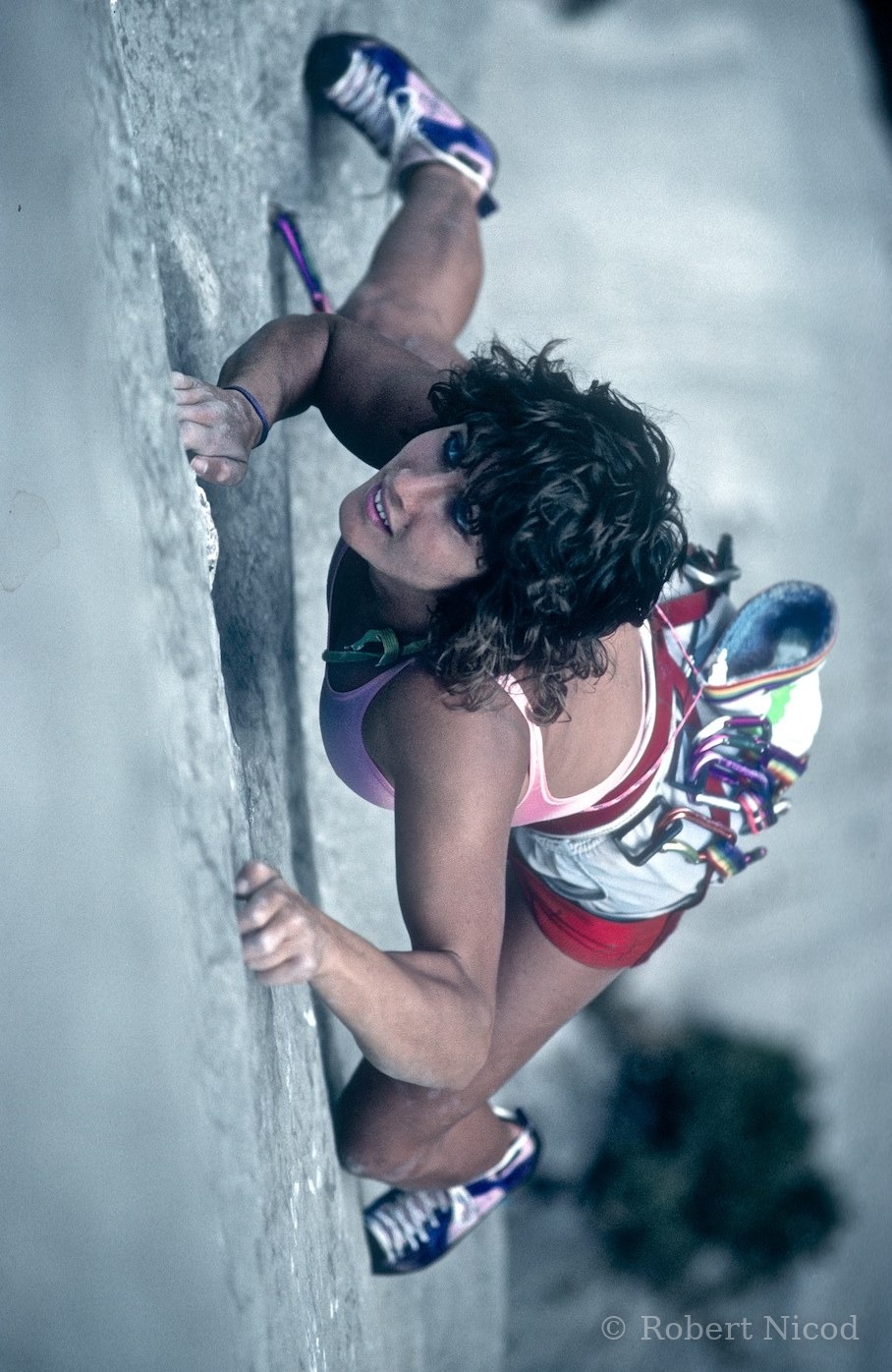
Verdon 1985
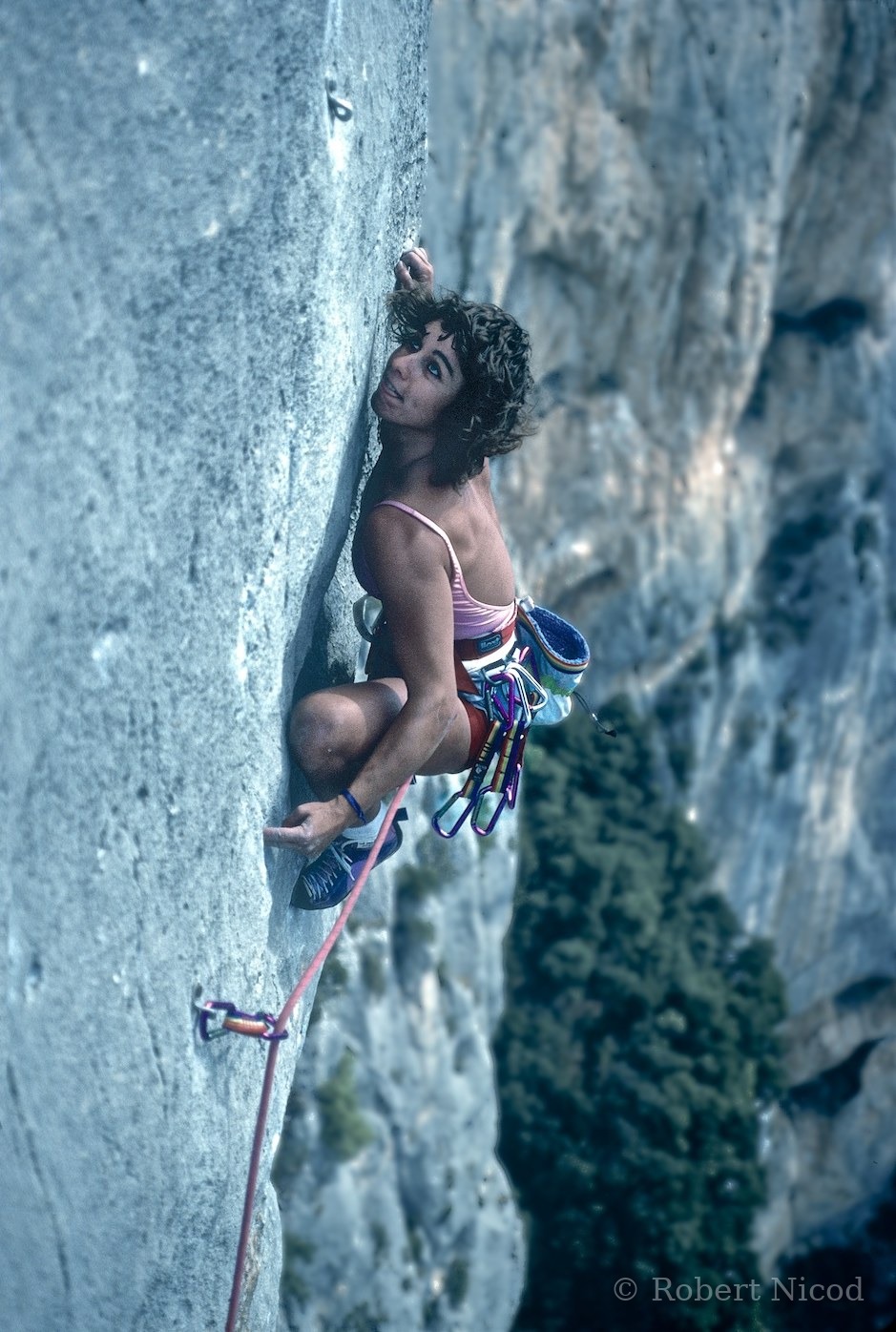
Verdon 1985
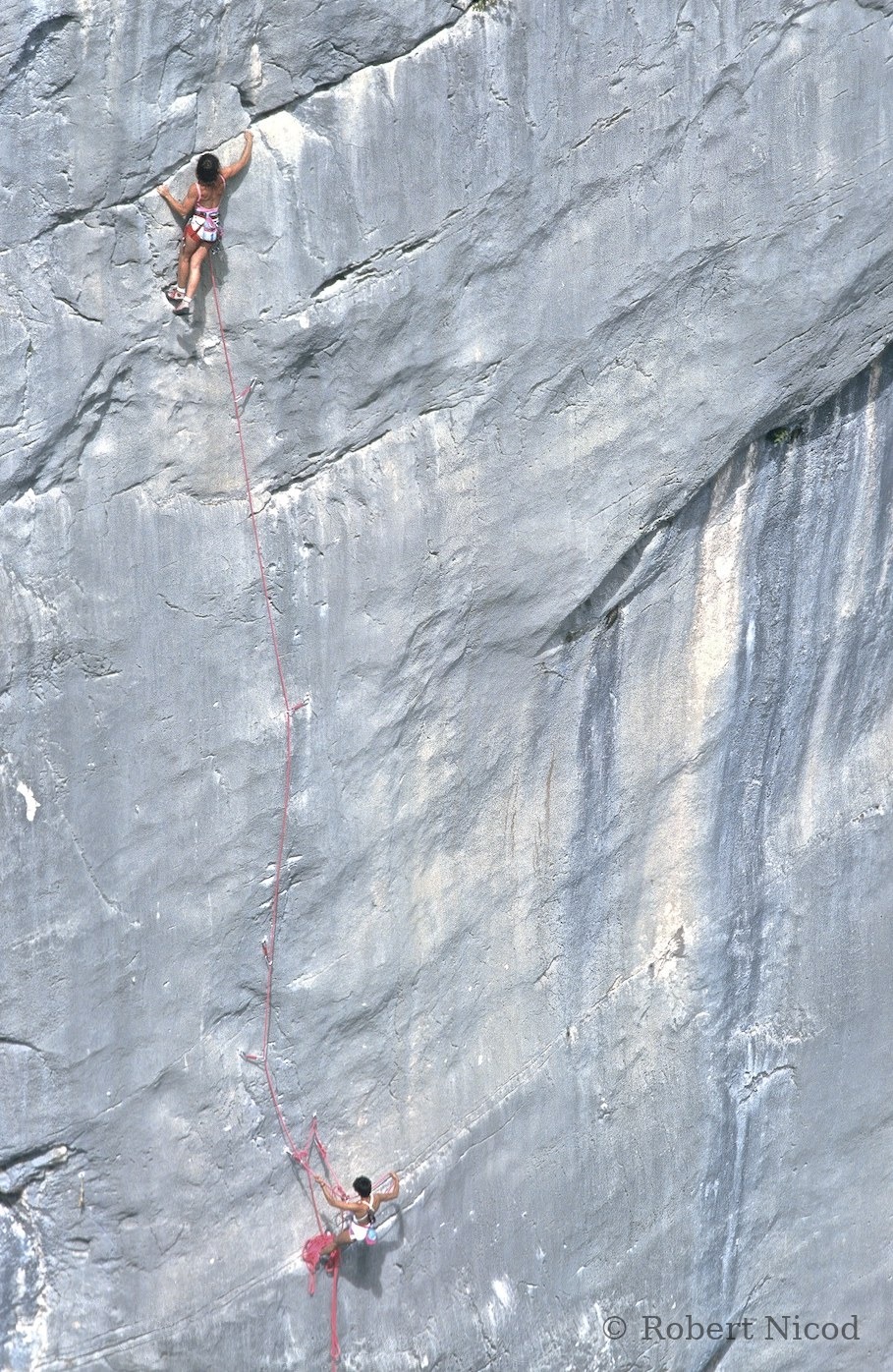
Verdon 1985
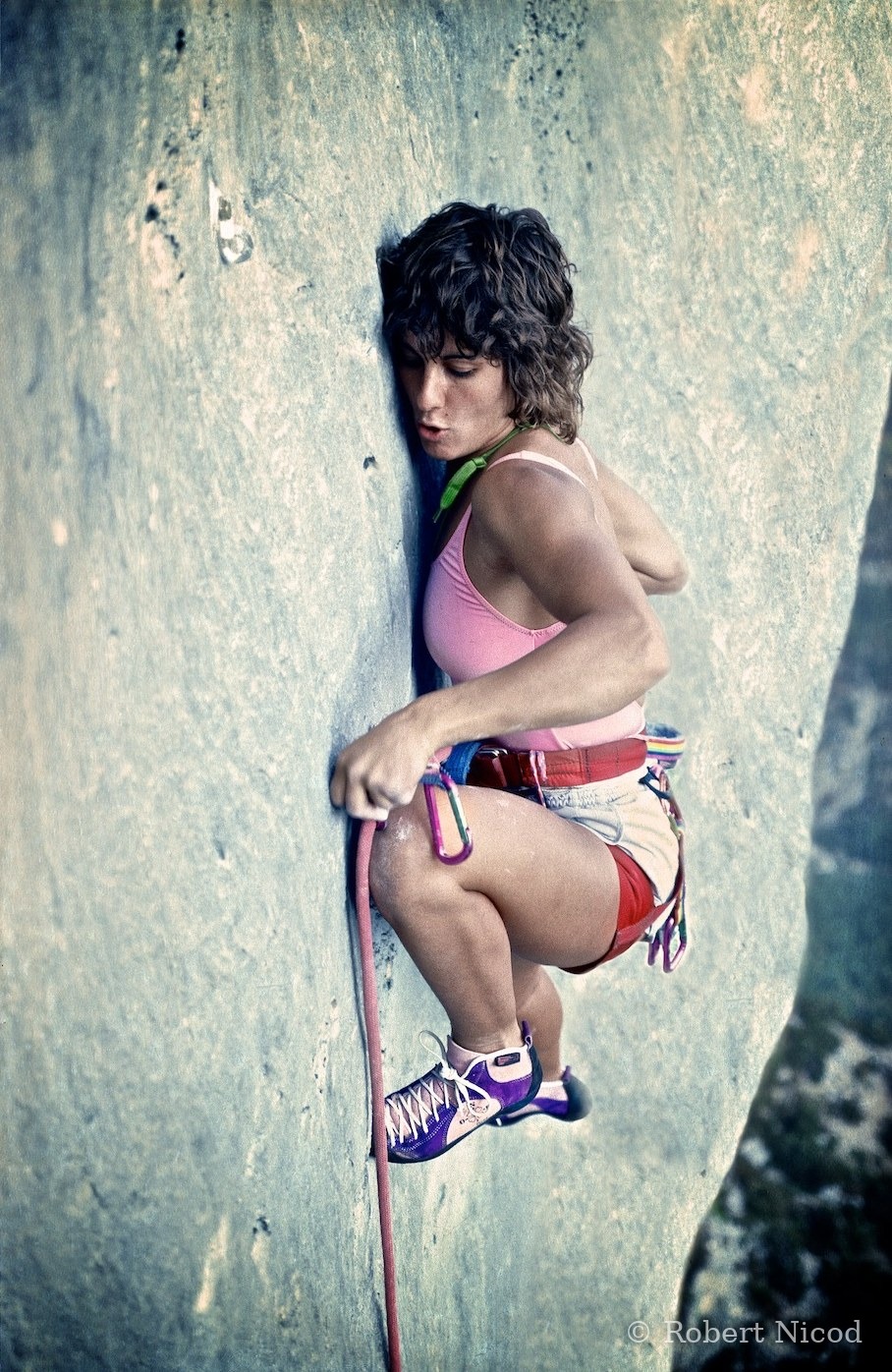
Verdon 1985
Xaver Bongard was a Swiss climber of exceptional daring who nevertheless remained almost entirely off the media radar. A peerless technician and a true master of mental control, he sought out ascents where difficulty, commitment and danger reach their limits. On El Capitan, in Yosemite Valley, he made a solo ascent of Sea of Dreams, then considered the hardest and one of the most exposed aid climbing routes in the world. He climbed it alone, in eight days, with only his own equipment and his own strength. Among the most fearsome passages is “Hook or Book”, a traverse of about forty meters above the void, where progress is made with hooks on tiny anchor points. A single solid protection point lies some twenty meters from the start: before it, a fall would have caused an immense pendulum that would have thrown him fatally against the dihedral, a rocky protrusion bordering the traverse. Faced with this immense wall, Bongard nevertheless seems astonishingly serene. Absolute concentration, technical precision and total commitment: he gives the impression of perfectly mastering what, for most people, would be unthinkable. His arrival at the summit is in itself revealing of his temperament. Exhausted after eight days of effort, he seems almost less happy to have succeeded than disoriented at having reached his goal. As if, once the challenge was met, another already had to be found. Difficulty was not only what he sought: it seemed to be what drove him forward, what let him feel fully alive. This permanent quest for commitment and risk was ultimately to cost him his life. Xaver Bongard died in 1994 during a BASE jump in Switzerland. Long remaining in the shadows, he nevertheless deserves his place among the climbers who pushed back the limits of their time. His courage, his mastery and his way of following his choices to the end deeply marked those who were lucky enough to know him.
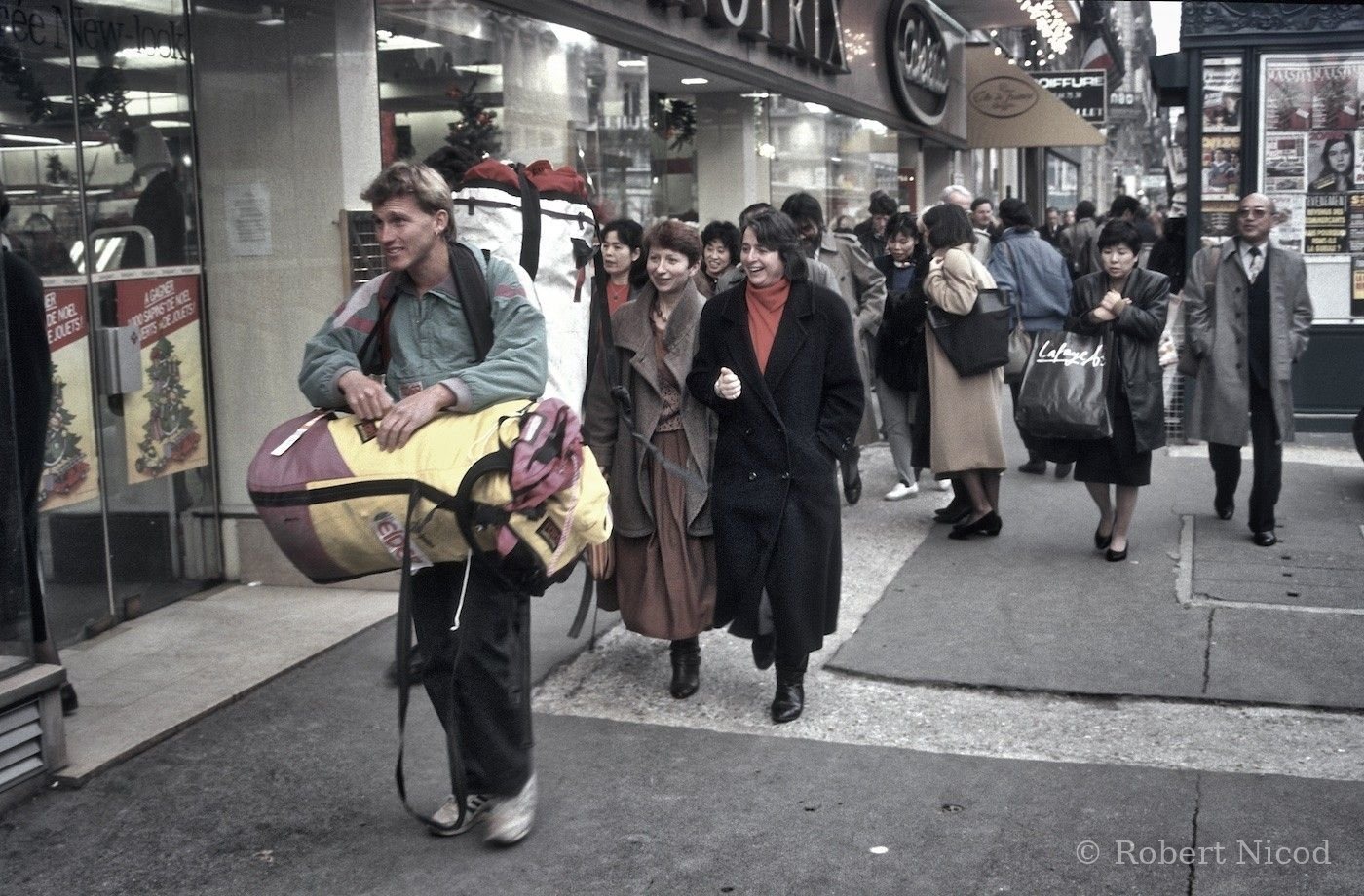
Paris 1987
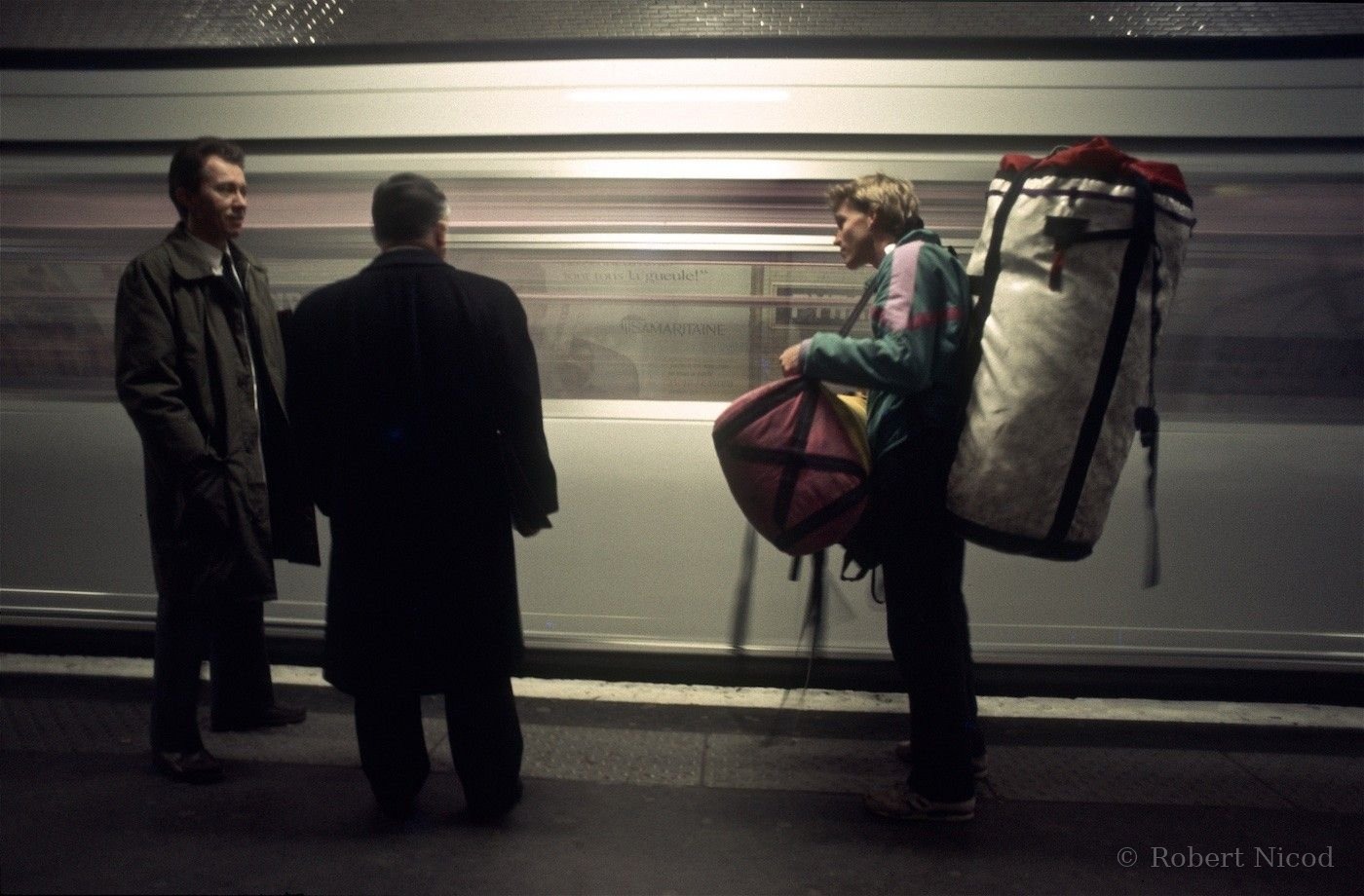
Paris 1987
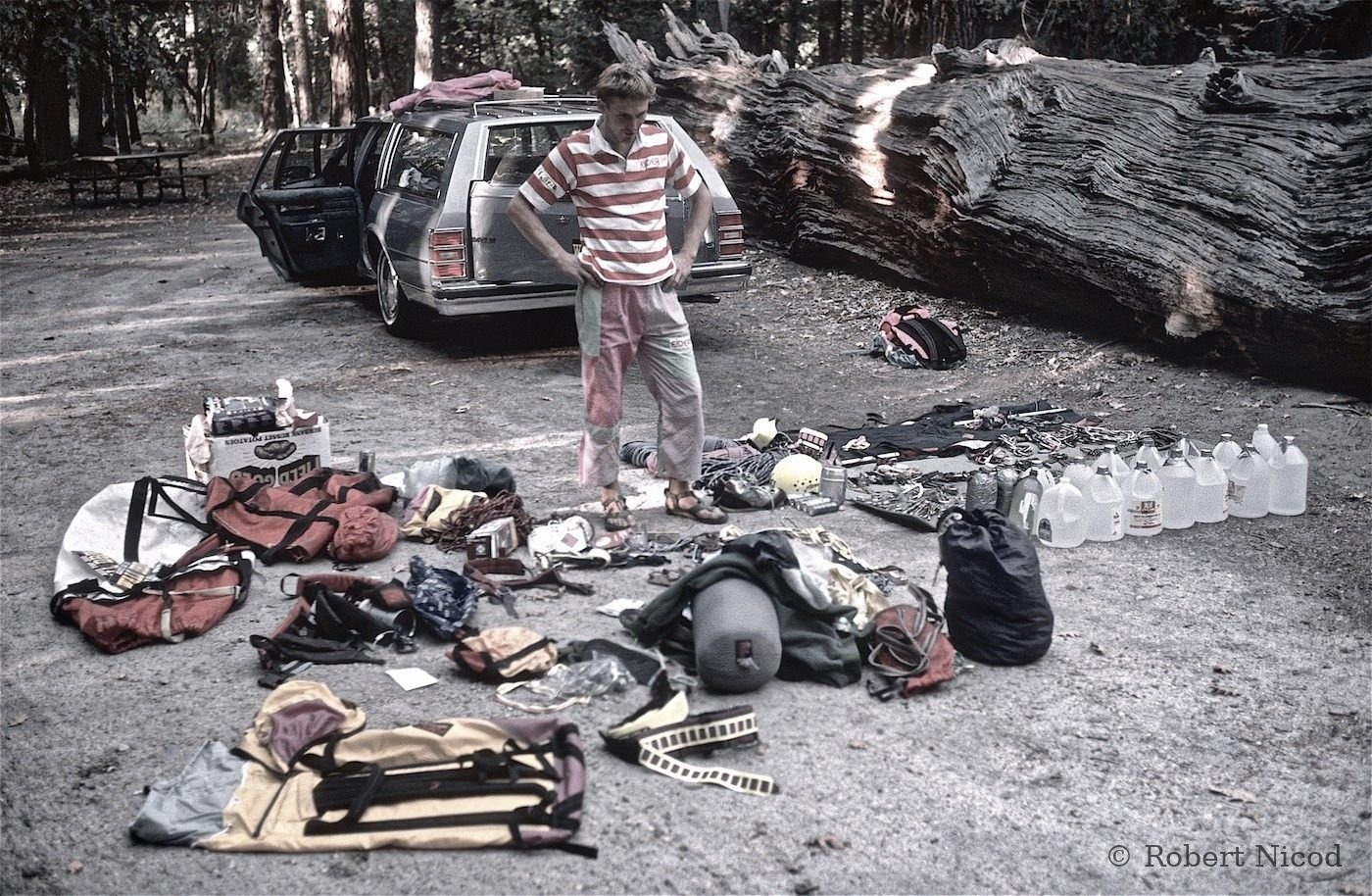
Yosemite Valley 1987
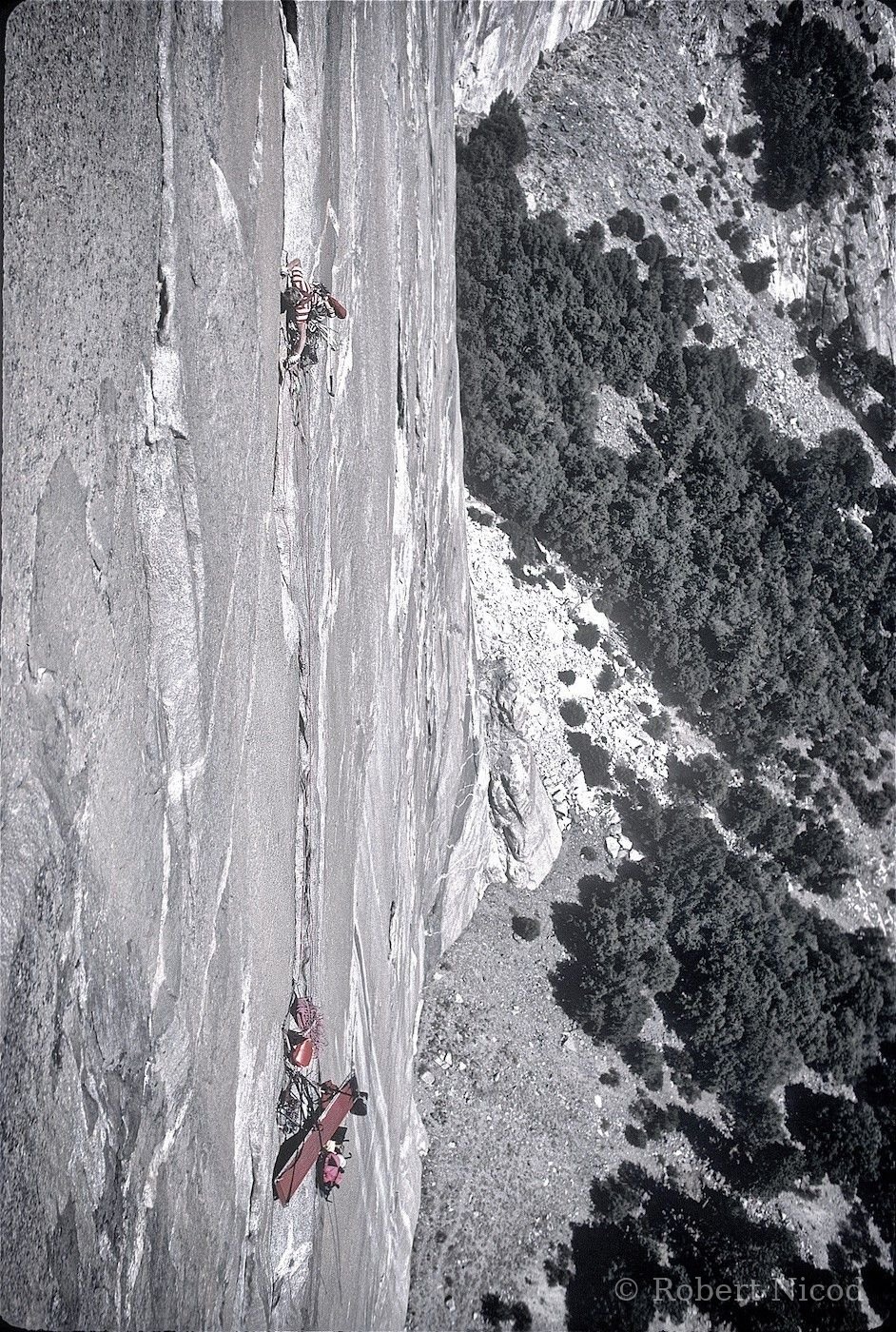
El Capitan 1987
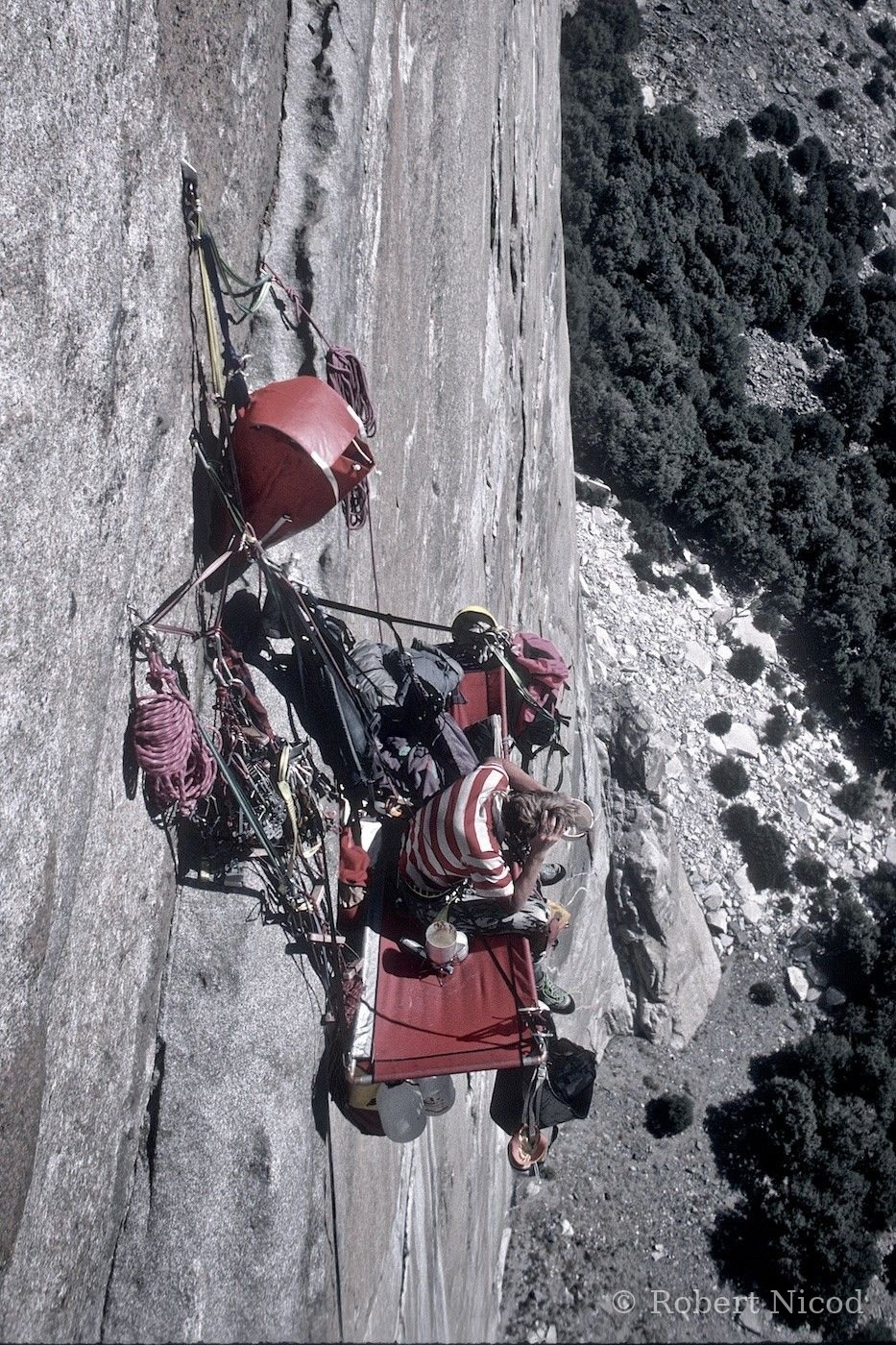
El Capitan 1987
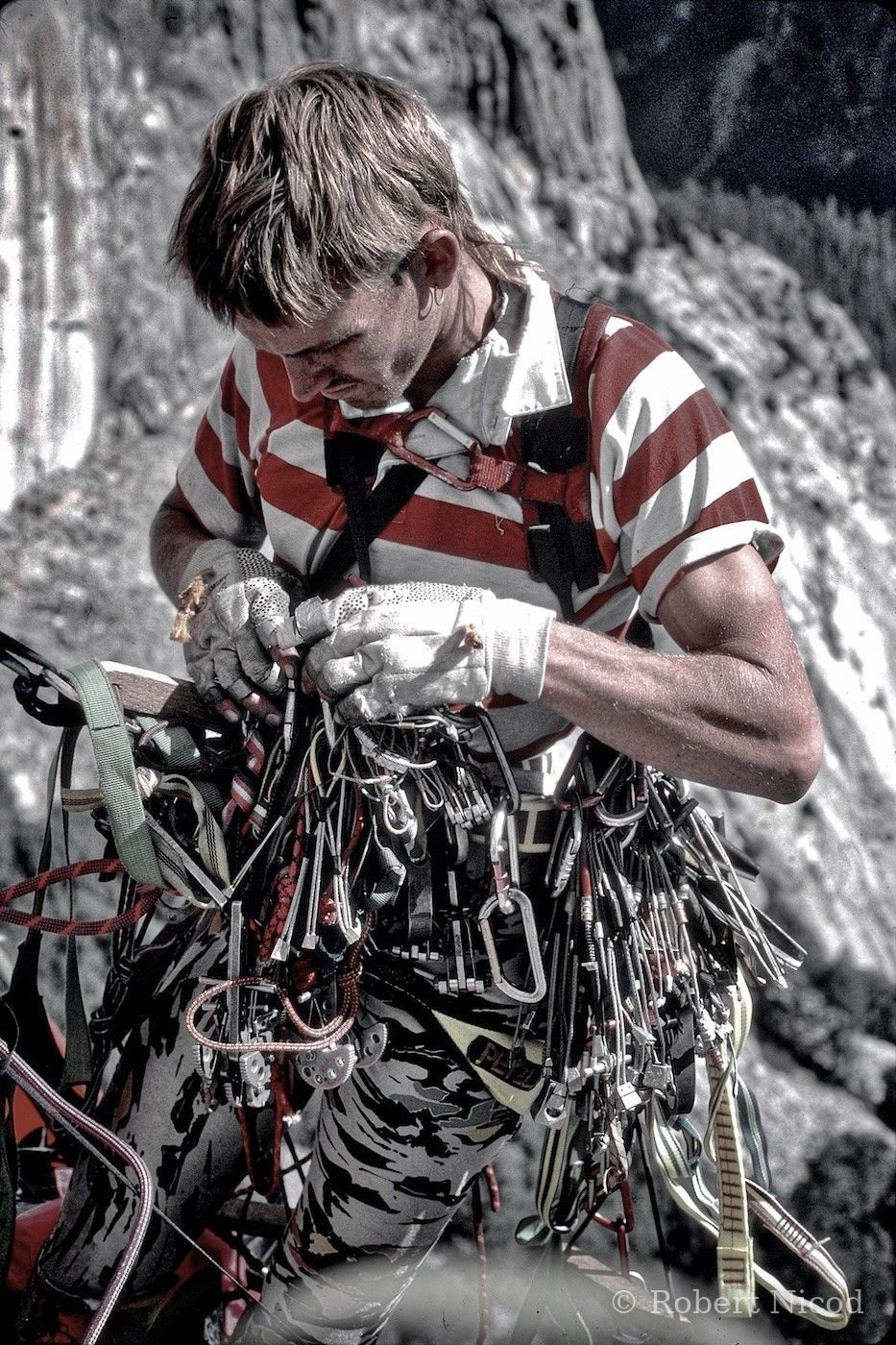
for the next pitch
El Capitan 1987
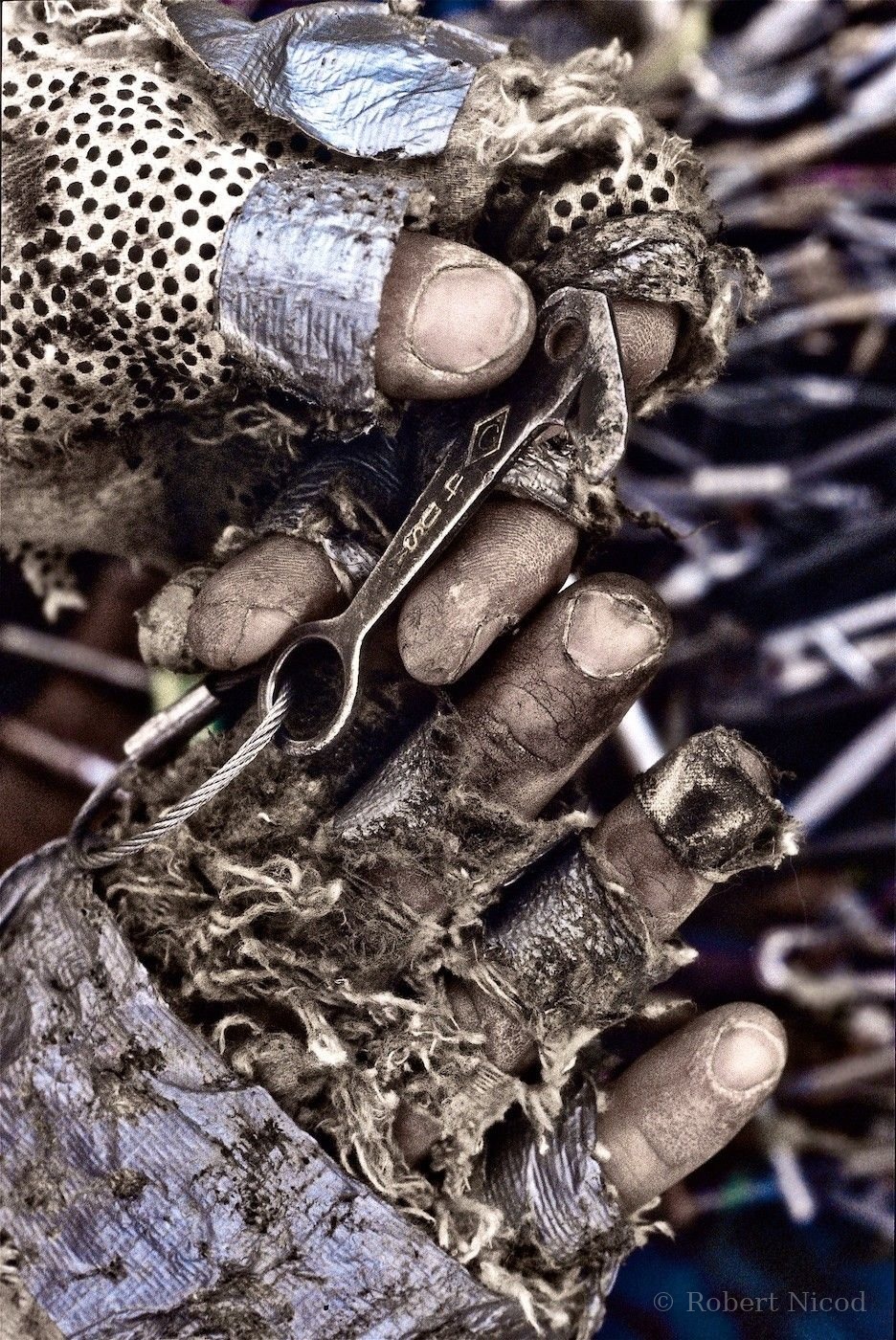
in the micro-cracks
El Capitan 1987
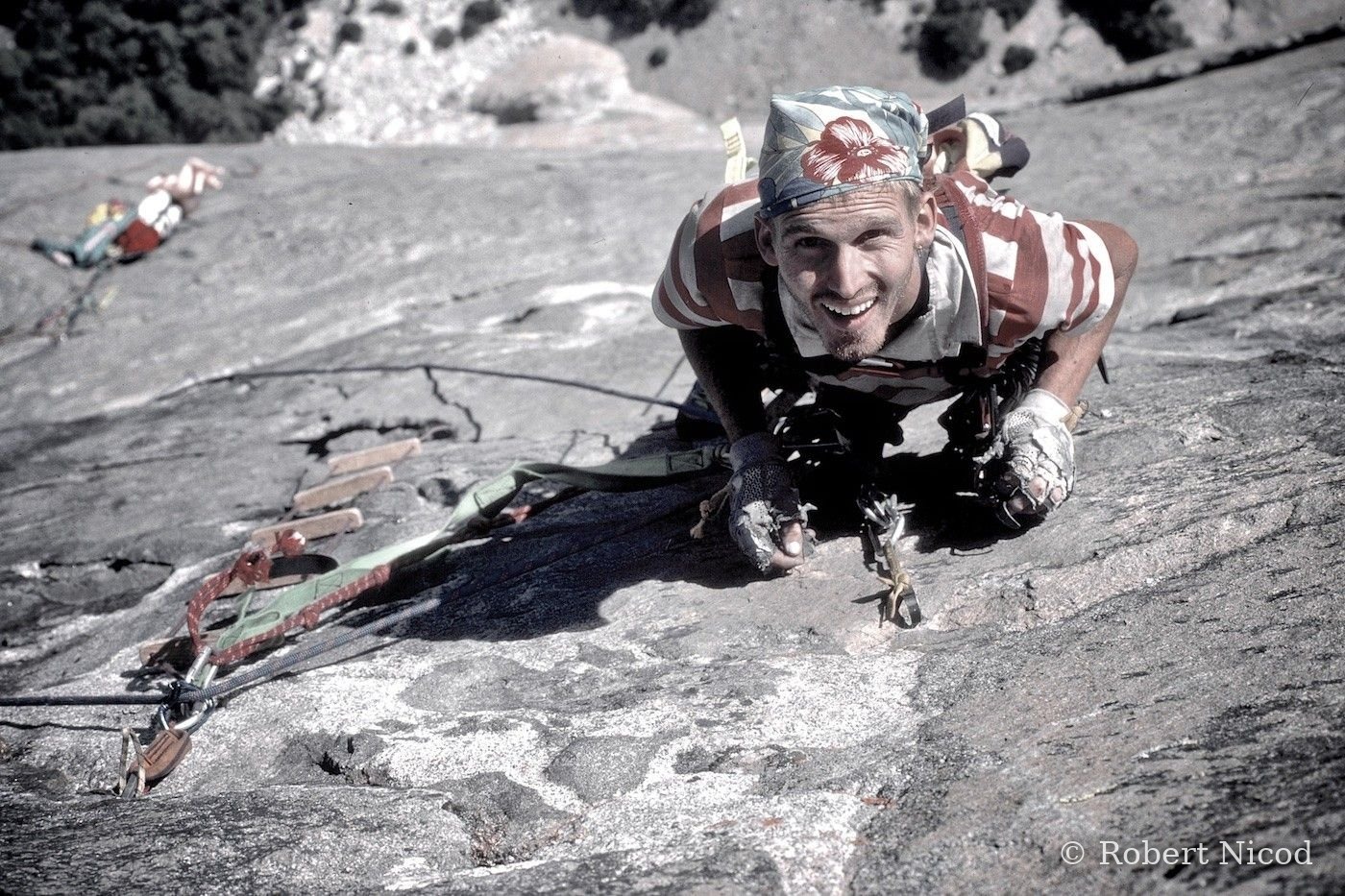
El Capitan 1987
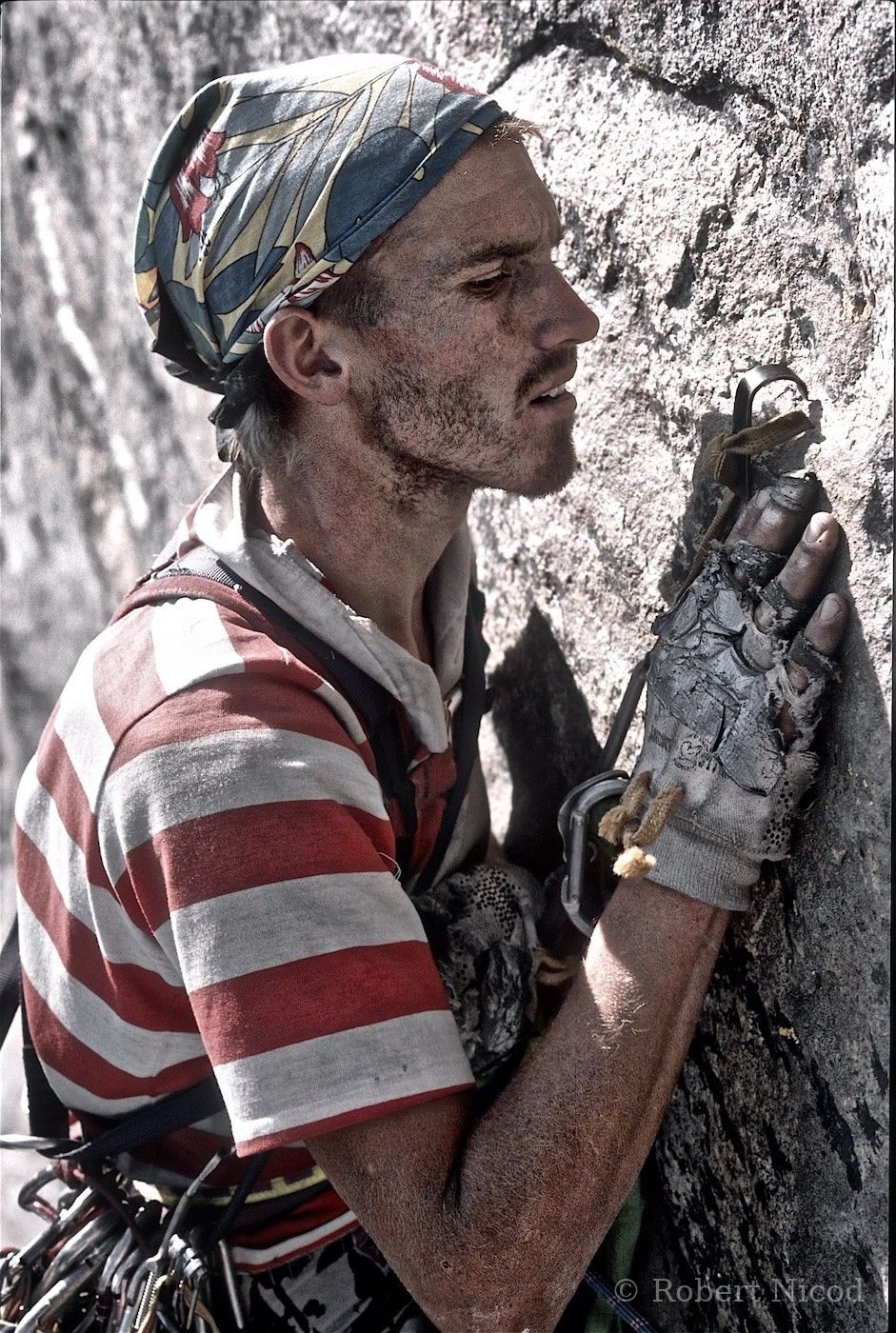
his weight onto the hook
El Capitan 1987
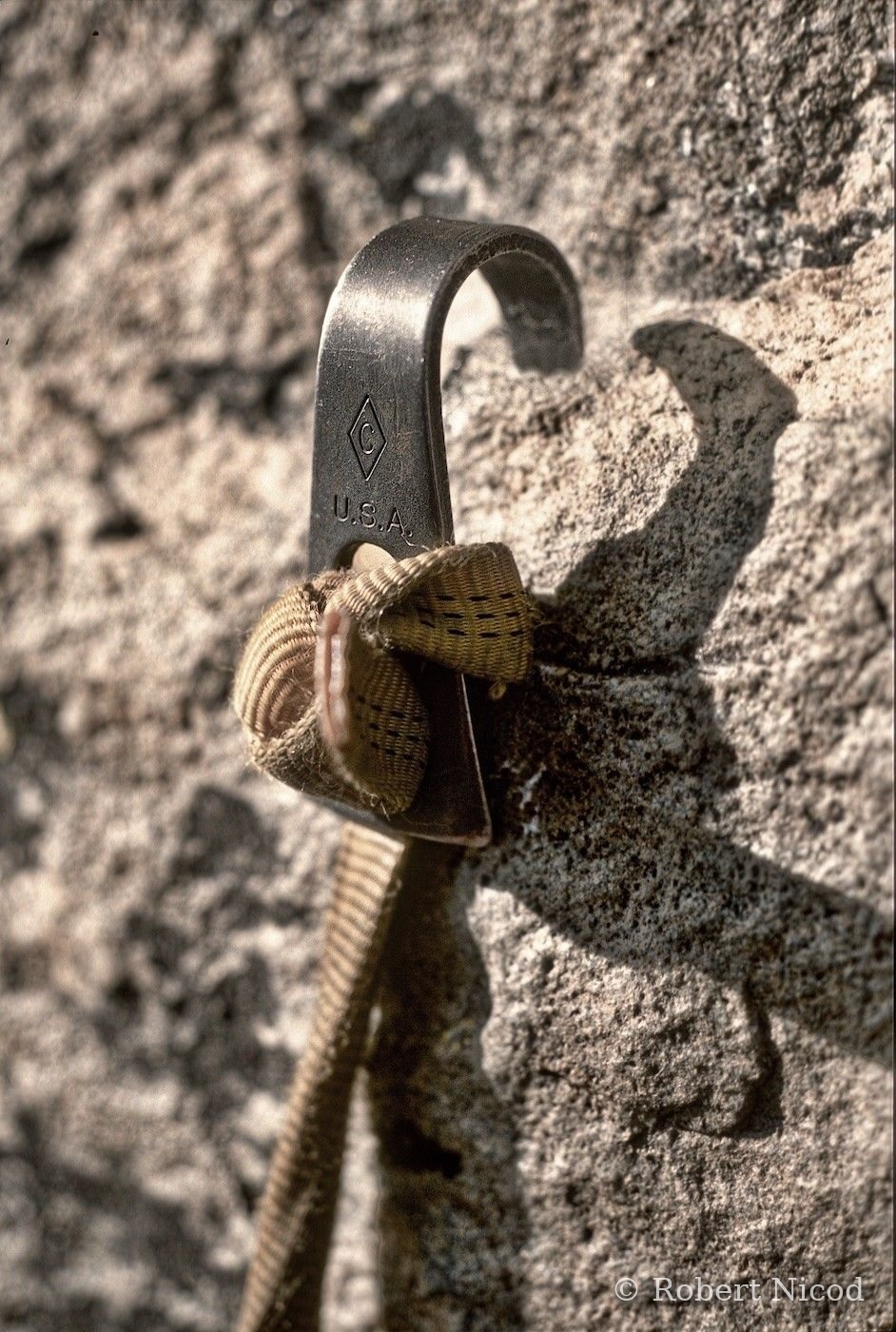
El Capitan 1987
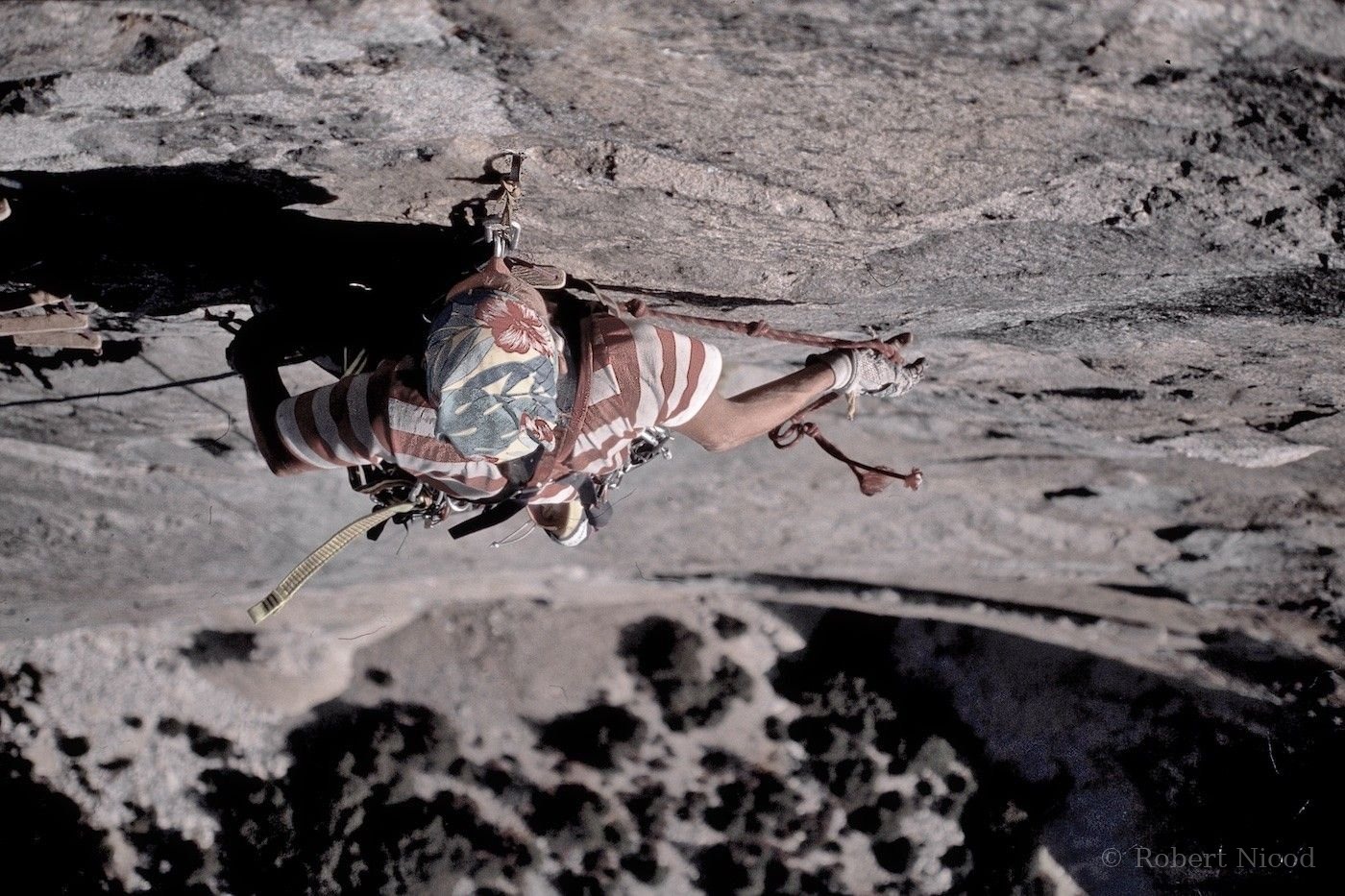
El Capitan 1987
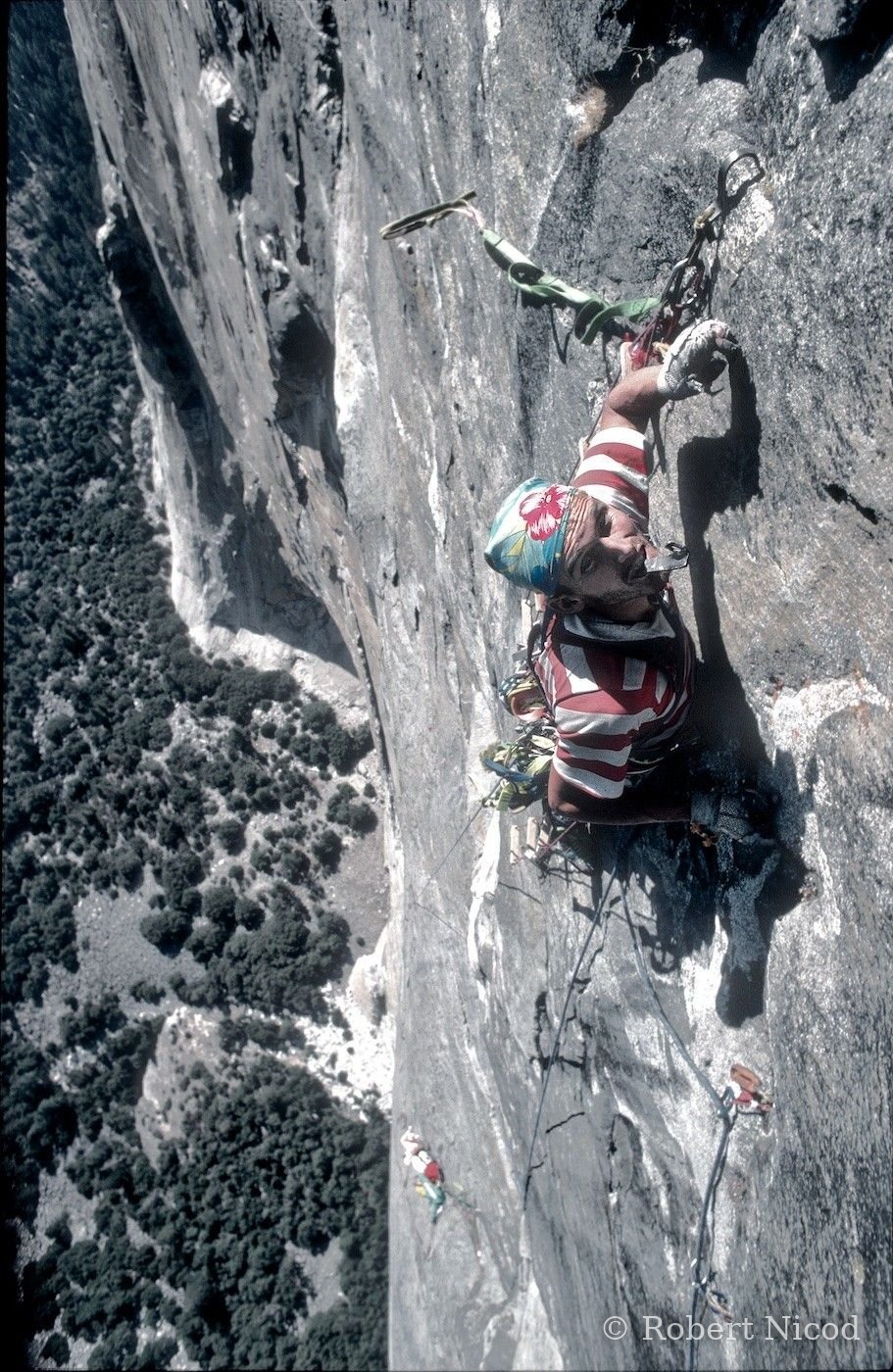
El Capitan 1987
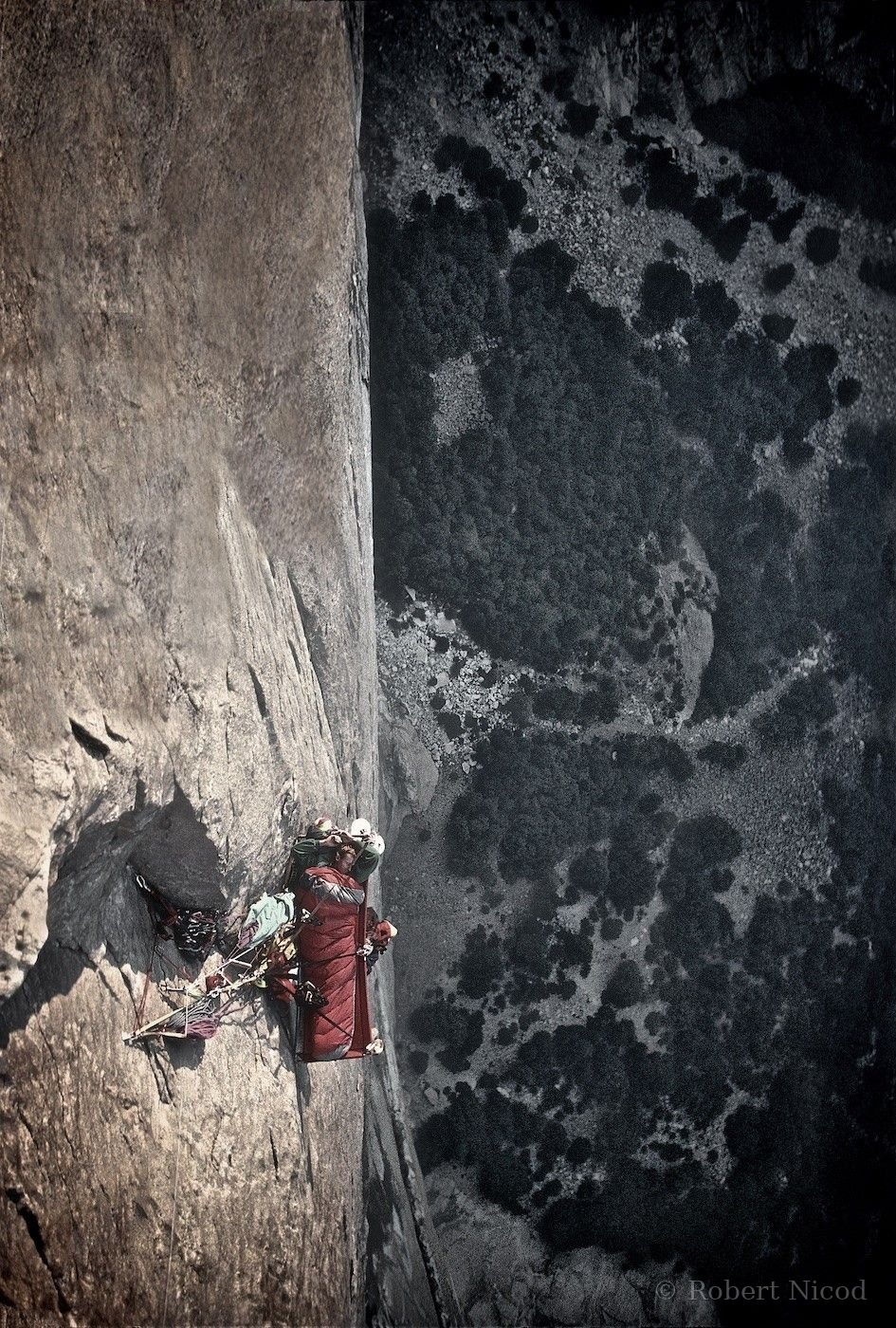
El Capitan 1987
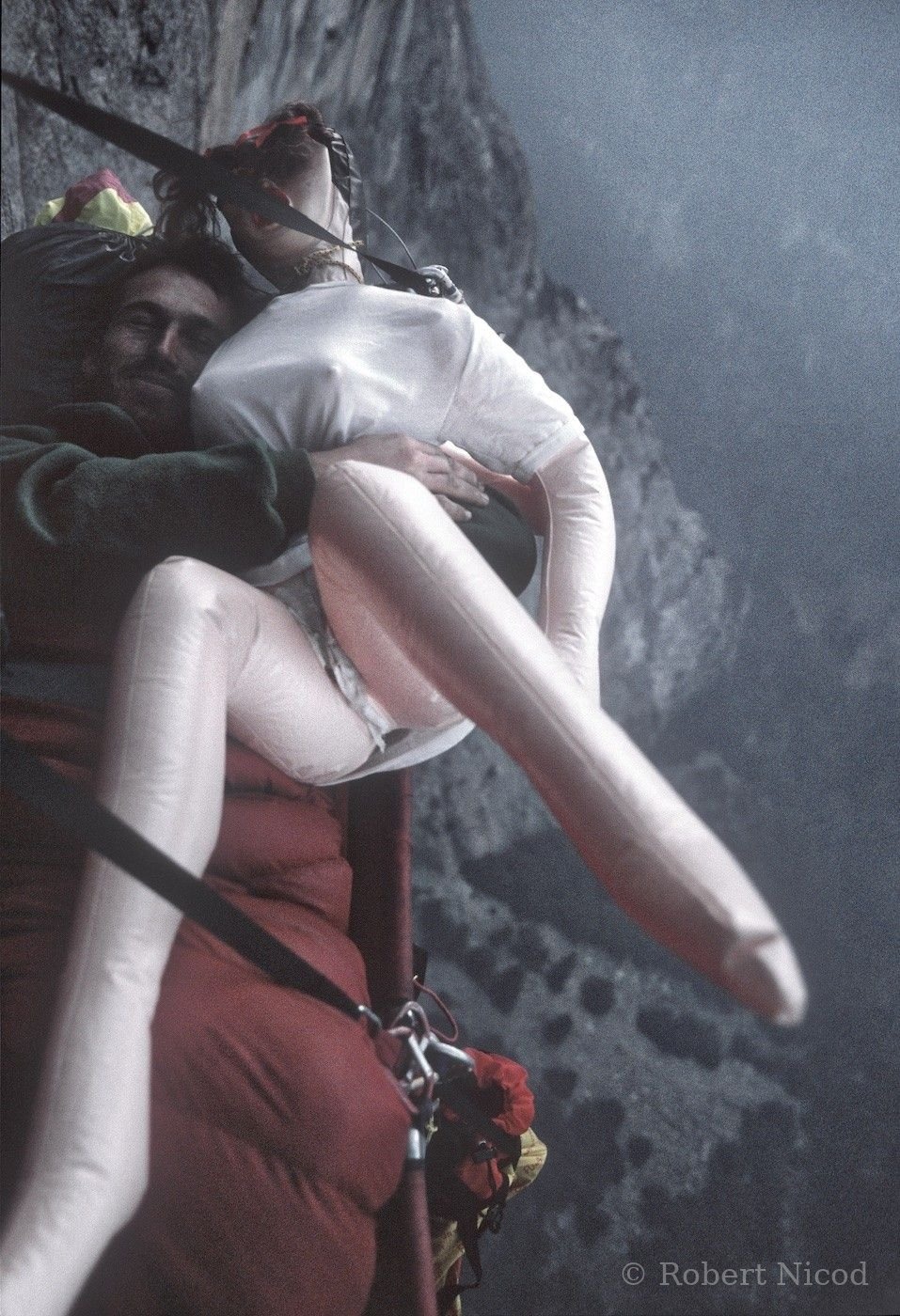
El Capitan 1987
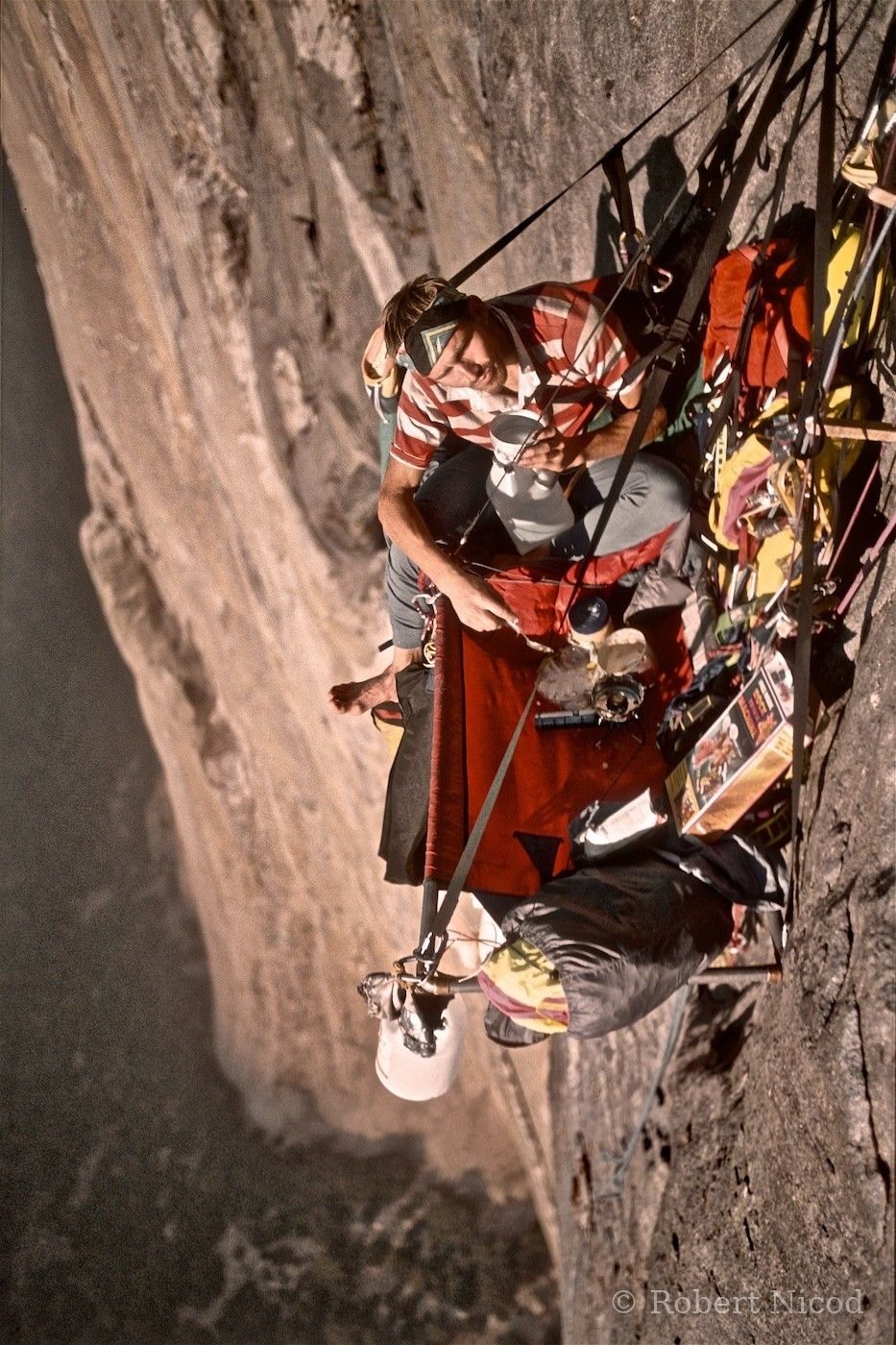
El Capitan 1987
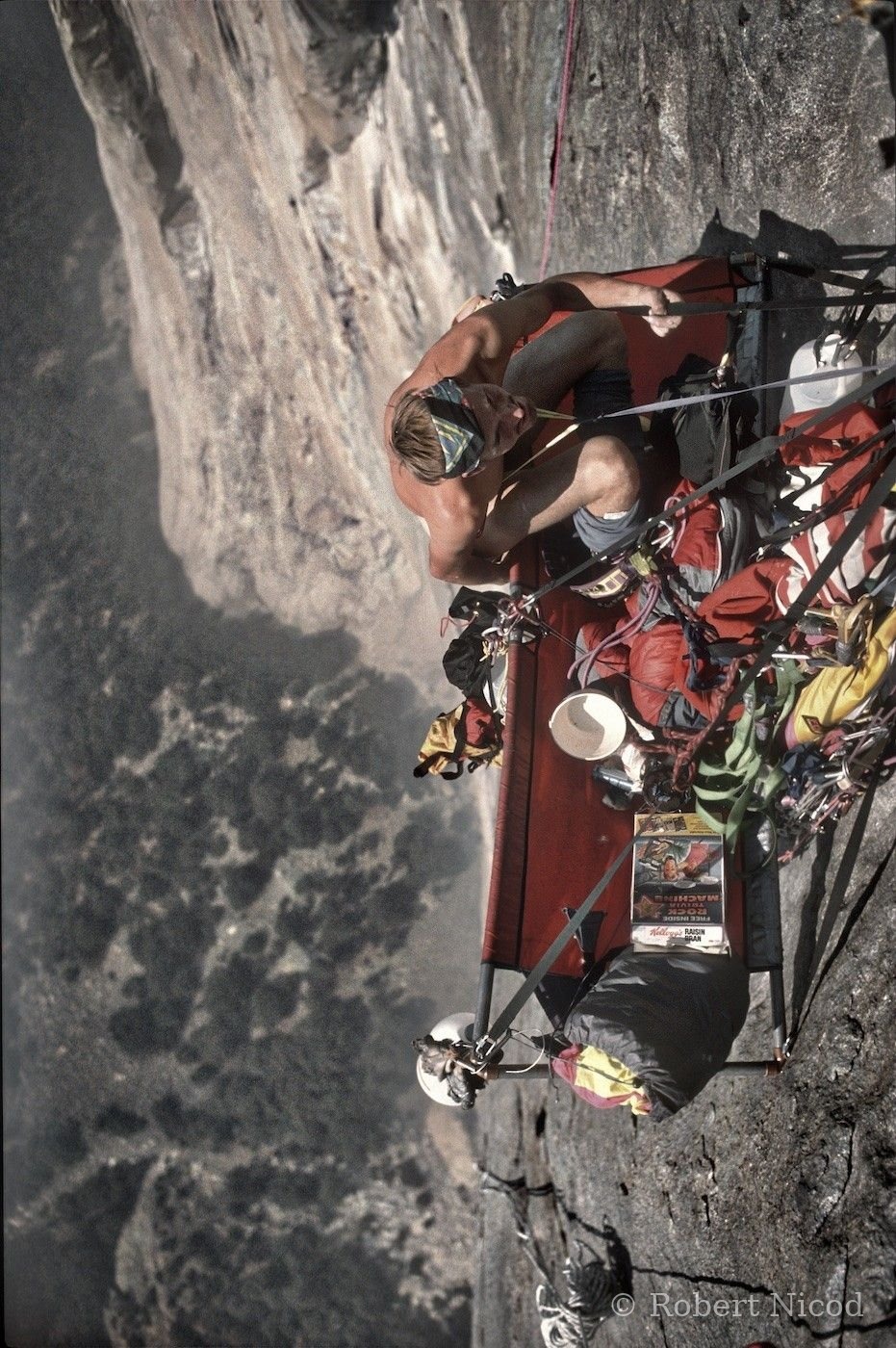
El Capitan 1987
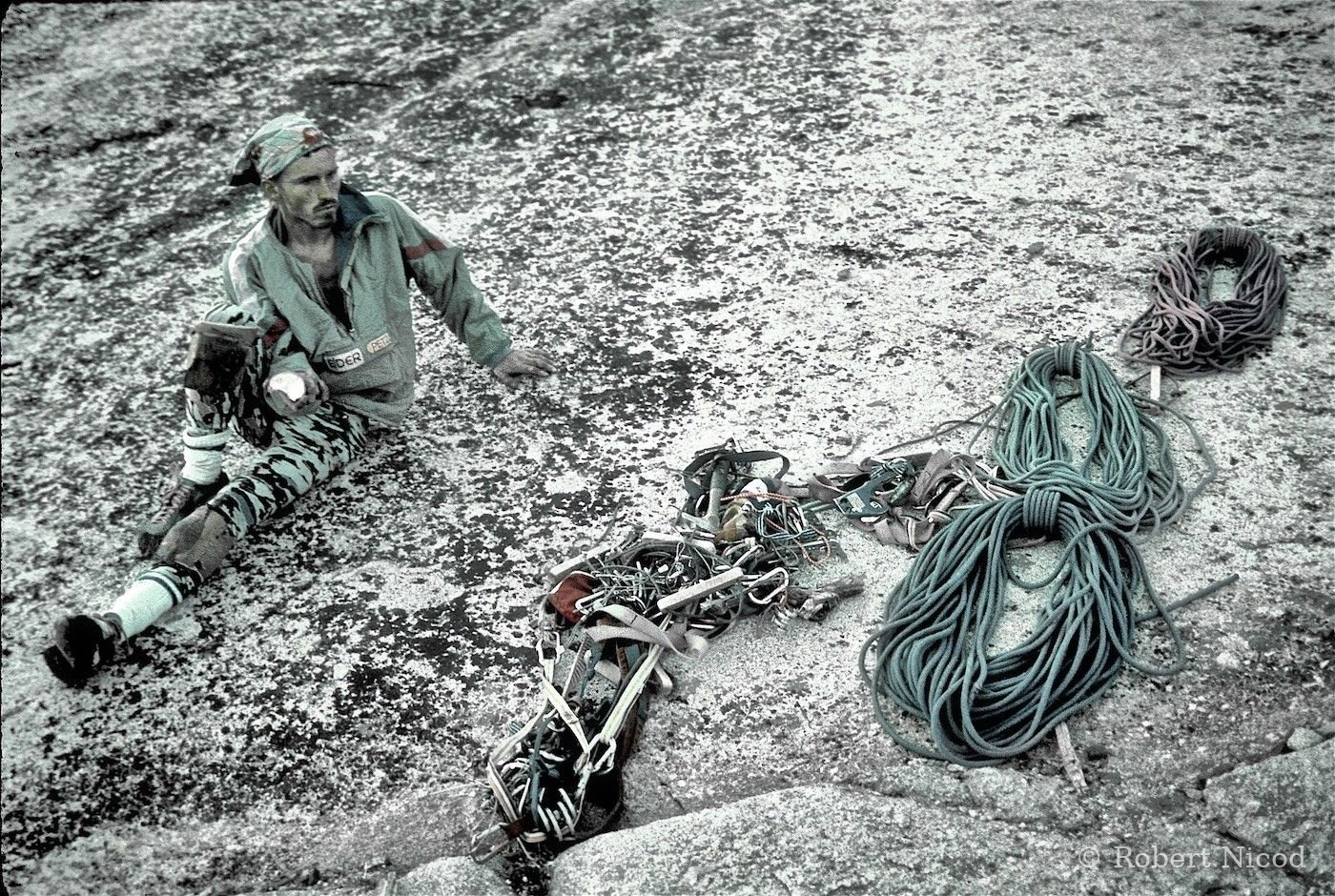
El Capitan 1987
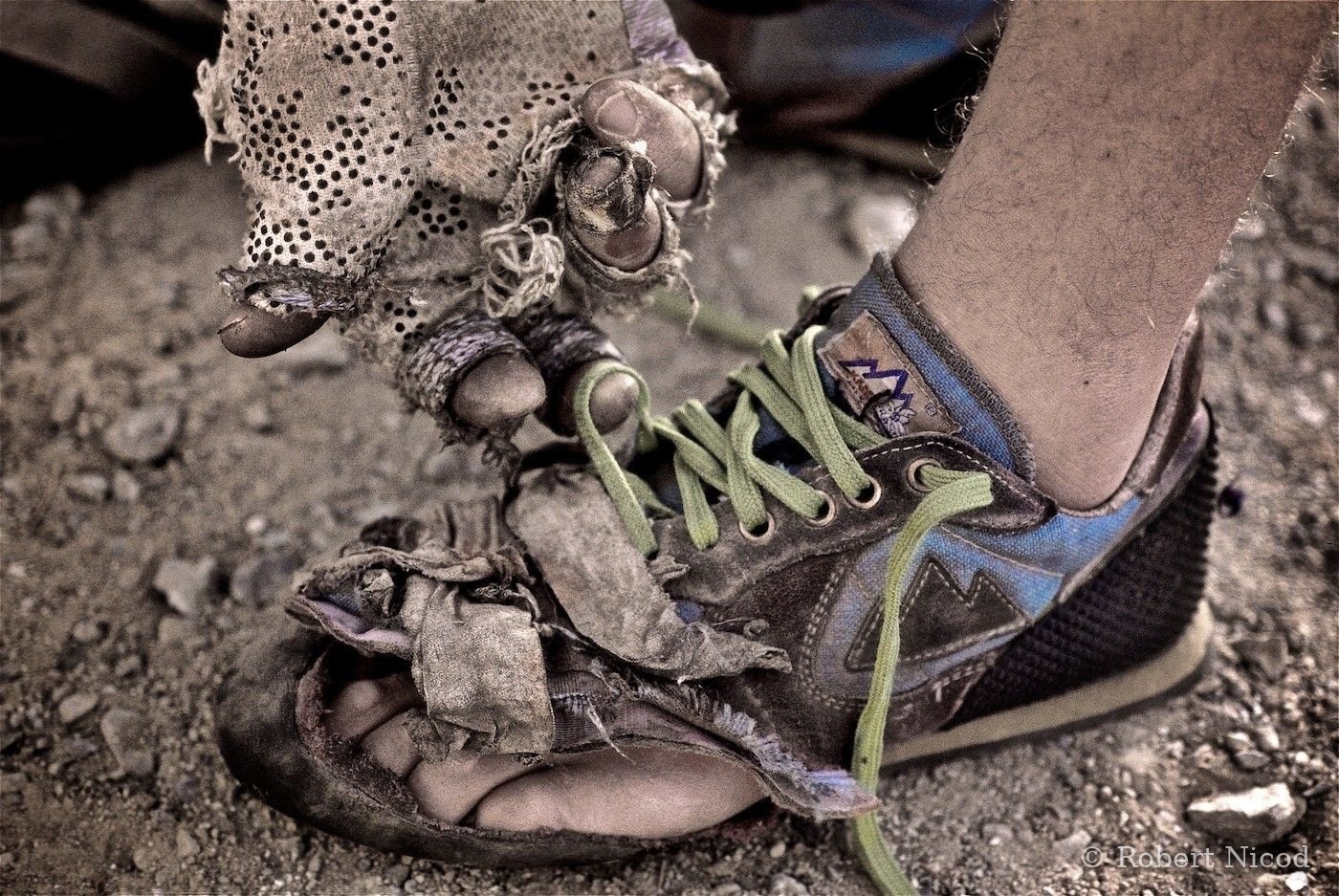
El Capitan 1987